Mylar Bags Wholesale No Minimum for Growing Product Lines
Mylar Bags Wholesale No Minimum for Growing Product Lines

Small and mid-sized brands in the US packaging space often run into the same challenge: demand starts to grow, but storage limits, cash flow pressure, and supplier minimum order quantities slow everything down. A product line may be ready to expand, yet traditional packaging suppliers typically require large MOQs that do not match early-stage or scaling needs. This gap forces many businesses to delay launches or settle for generic packaging that does not align with their product standards.
For teams managing procurement or planning seasonal releases, flexibility in ordering has become a practical requirement rather than a convenience. This is where low or no minimum order packaging options are gaining attention, particularly for flexible materials like Mylar pouches used across food, wellness, and retail categories.
Flexible ordering for scaling product lines
Growing brands often deal with unpredictable demand curves. A new SKU might perform well in one region while remaining stable in another. Committing to large packaging runs early can lead to overstock, wasted storage space, and outdated printed designs if branding changes.
Suppliers offering flexible order quantities allow businesses to test product performance before scaling. This is especially relevant for companies working with seasonal items, limited editions, or multi-product catalogs. In these cases, ordering smaller batches helps maintain control over inventory while still keeping packaging consistent across product lines.
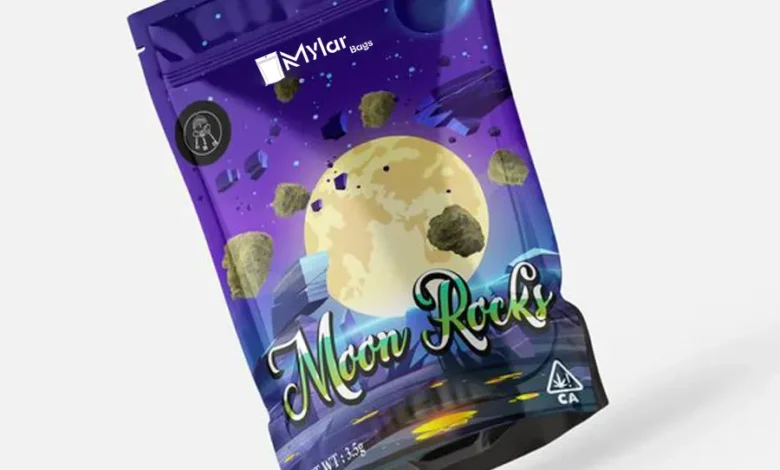
For businesses researching sourcing options, Mylar bags wholesale no minimum provides an example of how flexible MOQ structures are being applied to Mylar packaging solutions.
Key factors that influence a smart purchasing decision
When evaluating Mylar packaging suppliers, procurement teams typically focus on more than price. The long-term usability and consistency of packaging often matter more than short-term cost savings.
Material quality is usually the first checkpoint. Mylar bags are chosen for their barrier properties against moisture, oxygen, and light. For food, supplements, or herbal products, consistency in film thickness and sealing strength helps maintain shelf stability across batches.
Customization is another consideration. Printed branding, resealable zippers, tear notches, and matte or glossy finishes all play a role in product presentation and usability. Suppliers that support flexible customization without high MOQs are often preferred by brands still refining their packaging direction.
Lead times also matter. Faster turnaround helps businesses respond to demand spikes or restocking needs without long delays. Inconsistent delivery schedules can interrupt retail partnerships or e-commerce listings, which depend on steady inventory flow.
Packaging beyond the pouch
While Mylar bags remain a core solution for flexible storage, many brands combine them with secondary packaging formats depending on retail requirements.
Mailer boxes are commonly used for e-commerce shipments, providing structure and protection during transit. Rigid boxes are often selected for higher-end product categories where presentation and durability matter. Custom sleeves are used to add branding over existing packaging without redesigning the entire structure. Tuck-end boxes remain a practical choice for lightweight retail products that require easy assembly and stacking.
When these packaging types are aligned with flexible Mylar bag sourcing, businesses gain more control over how products are presented across different sales channels.
Supplier reliability and production consistency
Reliability in packaging supply chains is not only about production capacity. It also includes communication, sampling accuracy, and repeat order consistency. Brands often evaluate whether suppliers can reproduce the same print quality and material feel across multiple batches.
Sampling is a useful step before committing to larger orders. It allows procurement teams to verify color accuracy, zipper performance, and sealing strength. This stage also helps identify any adjustments needed before full production begins.
Companies like The Mylar Bags operate in a space where consistent output and flexible order structures are key decision points for buyers comparing suppliers.
Planning for scale without overcommitting
For growing product lines, the goal is often to balance readiness with flexibility. Ordering packaging in smaller batches allows businesses to adapt designs, respond to customer feedback, and adjust packaging formats without being locked into excess inventory.
This approach also supports gradual brand development. As product lines expand, packaging can evolve alongside them rather than being fixed too early in the process. It creates room for operational adjustments without disrupting supply continuity.
Moving toward a sourcing decision
For procurement managers and business owners reviewing packaging options, the next step is usually a detailed quote request that includes size specifications, print requirements, and expected order frequency. Suppliers that support low or no minimum order structures can help reduce entry barriers for new or expanding product lines.
Businesses exploring this route can start by comparing material options, reviewing sample quality, and confirming production timelines before committing to larger runs.