The term “obsessive-compulsive disorder” stands for the most widespread diseases among psychological conditions that affect numerous patients around the world. It includes unwanted ideas, fear, obsessions, and behaviors. Those problems may influence one’s regular activities and life in general, including personal and social interactions, work, and studying. However, while everyone may have some occasional worries and certain habits, OCD is more complicated than that and hard to cope with.
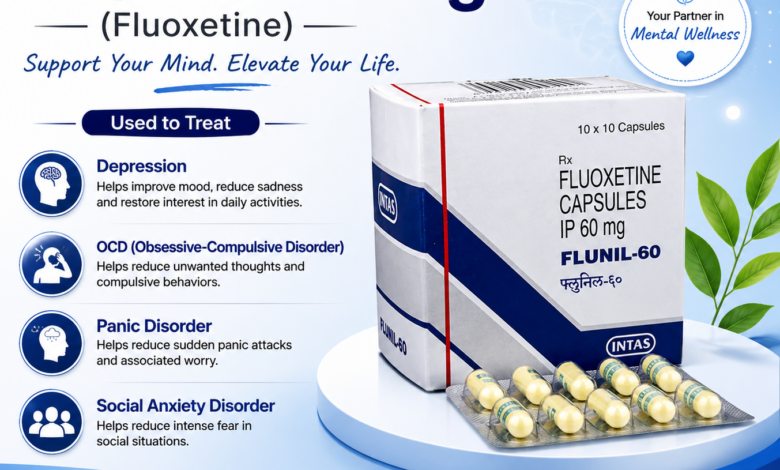
Those who suffer from OCD usually require medical assistance to control the symptoms. The doctor’s prescriptions may include not only different kinds of therapy but also changes in lifestyle and medication, such as Flunil 60 mg (Fluoxetine). Thus, patients who receive the necessary medical help may restore control over themselves and their emotions.
The specialists who deal with psychological issues develop an individual program depending on the severity of the patient’s problems. Moreover, in case of need, certain medications, such as Fluxican 60 Mg (Fluoxetine), might be recommended to control the problem.
What Is Obsessive-Compulsive Disorder?
Obsessive-Compulsive Disorder is a chronic mental health condition characterized by two main features:
Obsessions
Obsessions are unwanted and recurring thoughts, images, or urges that cause anxiety or distress. People with OCD usually recognize that these thoughts are irrational, but they still struggle to control them.
Examples of obsessions include:
- Fear of contamination or germs
- Fear of harming oneself or others
- Need for symmetry or order
- Unwanted aggressive thoughts
- Constant doubt about everyday actions
Compulsions
Compulsions are repetitive behaviors or mental acts that a person performs to reduce anxiety caused by obsessions.
Common compulsions include:
- Excessive hand washing
- Repeated checking of locks or appliances
- Counting repeatedly
- Arranging items in a specific order
- Seeking constant reassurance
While compulsions may provide temporary relief, they do not solve the underlying problem and often reinforce OCD symptoms.
Common Signs and Symptoms of OCD
OCD symptoms vary from person to person. Some people experience mostly obsessions, while others struggle primarily with compulsions.
Common symptoms include:
Persistent Intrusive Thoughts
People with OCD often experience thoughts that repeatedly enter their minds, even when they try to ignore them.
Excessive Cleaning
Fear of contamination can lead to repeated washing, cleaning, or sanitizing.
Repeated Checking
A person may repeatedly check doors, lights, gas stoves, or other items because they fear something bad will happen.
Need for Perfection
Many individuals feel compelled to arrange objects in a precise way or perform tasks perfectly.
Mental Rituals
Some people silently repeat words, phrases, or numbers to reduce anxiety.
Symptoms can become severe enough to consume several hours each day and significantly affect daily activities.
What Causes OCD?
Researchers do not fully understand the exact cause of OCD. However, several factors may contribute to its development.
Genetics
Studies suggest that OCD can run in families. People with a close relative who has OCD may have a higher risk of developing the condition.
Brain Function
Differences in certain brain areas and neurotransmitters may play a role in OCD symptoms.
Environmental Factors
Stressful life events, trauma, or major life changes may trigger symptoms in some individuals.
Learned Behaviors
Some compulsive behaviors may develop over time as a way to cope with anxiety.
Most experts believe OCD develops due to a combination of biological, psychological, and environmental factors.
Who Can Develop OCD?
Obsessive-Compulsive Disorder (OCD) may occur in any person of any age, gender, and background. The symptoms of the disorder usually start at the childhood, teenage, or young adult years.
The problem is suffered by millions of people from the US, Canada, Australia, and many other parts of the globe. More patients are receiving help due to better recognition and availability of healthcare services.
How Is OCD Diagnosed?
A mental health professional typically diagnoses OCD through a detailed evaluation.
The assessment may include:
- Discussion of symptoms
- Medical history review
- Mental health screening
- Evaluation of daily functioning
There is no specific laboratory test for OCD. Instead, healthcare providers rely on symptom patterns and clinical assessments.
An accurate diagnosis helps create an effective treatment plan and rules out other conditions that may cause similar symptoms.
Treatment Options for OCD
OCD is a manageable condition, and many people respond well to treatment.
Cognitive Behavioral Therapy (CBT)
CBT is one of the most effective therapies for OCD. It helps individuals identify unhealthy thought patterns and develop healthier responses.
Exposure and Response Prevention (ERP)
ERP is a specialized form of CBT. It gradually exposes people to situations that trigger anxiety while helping them resist compulsive behaviors.
Medication
Doctors may prescribe medications when symptoms significantly interfere with daily life. Medication can help reduce obsessive thoughts and compulsive urges. Treatment should always follow professional medical advice and regular monitoring.
Support and Education
Support groups, educational resources, and family involvement can play an important role in recovery.
Daily Tips for Managing OCD
While professional treatment is important, healthy habits can also support symptom management.
Practice Stress Management
Stress often worsens OCD symptoms. Activities such as meditation, deep breathing, and mindfulness may help reduce anxiety.
Maintain a Routine
A consistent daily schedule can improve emotional stability and reduce uncertainty.
Get Regular Exercise
Physical activity supports mental health and may help lower stress levels.
Sleep Well
Adequate sleep contributes to better emotional regulation and overall well-being.
Follow Treatment Plans
Consistency is essential. Attending therapy sessions and following medical advice can improve long-term outcomes.
Living Successfully With OCD
Not everyone who suffers from OCD cannot lead an active and happy life. Early detection and effective treatment can greatly affect the outcome of the disorder. Family support, professional help, and techniques of self-treatment all play a major role in the success of the treatment.
It is essential to understand that obsessive-compulsive disorder is a disease, and not some kind of personal flaw. Seeking help is an indicator of willingness to get better.
Conclusion
OCD is a severe mental illness but at the same time manageable. It features intrusive obsessions and compulsions that may negatively impact everyday life and emotions of an individual. Information about symptoms, reasons for their appearance, and available methods of treatment will allow you to find the right way out.
Either you have been diagnosed with OCD recently or your relative suffers from this disorder, it will be helpful for you to learn more about the illness, its symptoms, and ways of coping with it.