





Best Baby Toys 2026: Top Picks for Every Age & Stage
Introduction Picking out Baby Toys for a growing kid feels a lot harder than it should. Walk into any store and you’re hit with a wall of bright plastic, flashing lights, and marketing claims...

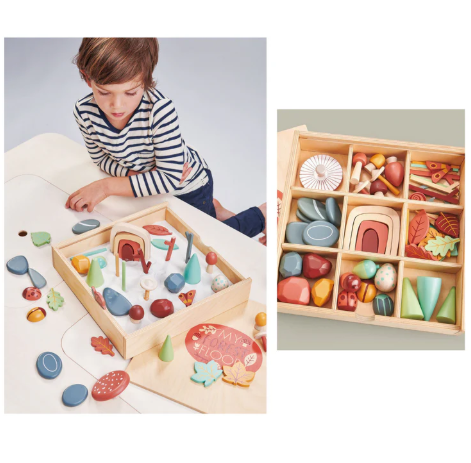
Table Of Content
- Introduction
- Why Age-Appropriate Toys Actually Matter
- Newborn to 3 Months: Sensory Basics
- 4 to 6 Months: Grabbing and Exploring
- 7 to 12 Months: Building Coordination
- 12 to 18 Months: Early Walking and Pretend Play
- 18 Months to 3 Years: Imagination Takes Over
- What to Avoid When Choosing Baby Toys
- Frequently Asked Questions
- Final Thoughts
Introduction
Picking out Baby Toys for a growing kid feels a lot harder than it should. Walk into any store and you’re hit with a wall of bright plastic, flashing lights, and marketing claims that all sound the same. Some toys promise to boost brain development, others claim to be “educational,” and honestly, most parents just want something safe that their baby will actually enjoy.
This guide breaks down what really matters at each stage of your baby’s first few years, so you’re not guessing in the aisle or scrolling endlessly at 11pm trying to figure out what’s worth buying.
Why Age-Appropriate Toys Actually Matter
Here’s something a lot of people don’t realize until they’ve got a baby who’s bored stiff by a toy that was “recommended for their age.” Babies change so fast in their first year that a toy perfect for a 3-month-old is basically useless by month six.
Their hands get stronger, their eyes start tracking better, and suddenly they want to grab, shake, and throw everything within reach. Matching toys to developmental stage isn’t just a marketing gimmick — it’s grounded in how infants actually build motor skills and cognitive understanding over time.
The American Academy of Pediatrics points out that play is one of the main ways infants learn about cause and effect, spatial relationships, and even early language. A toy that’s too advanced just sits there ignored. One that’s too simple gets tossed aside within a week. Getting the timing right means fewer wasted purchases and a happier baby who’s actually engaged.
Newborn to 3 Months: Sensory Basics
At this stage, your baby isn’t grabbing or crawling yet, so toys need to work with what they can actually do — look, listen, and start to notice patterns. High-contrast visuals matter a ton here because newborn eyesight is still developing and can’t process subtle color differences yet. Soft sounds and gentle textures also help without overwhelming a nervous system that’s still adjusting to life outside the womb.
Good options include black-and-white contrast cards, soft rattles with a gentle chime, and simple mobiles hung above the crib (just make sure they’re removed once baby starts pushing up on hands and knees). Textured fabric toys with different fabrics stitched together also give tiny hands something to explore, even if grabbing is still clumsy. Nothing needs to be complicated here — simplicity is the whole point.
4 to 6 Months: Grabbing and Exploring
Once babies start reaching for things, everything changes. Suddenly they want to hold, mouth, and shake anything within arm’s reach. This is when teething often kicks in too, so toys that double as safe chew items become genuinely useful rather than a nice-to-have.
Rattles, soft blocks, and textured teethers work well here. Babies this age are also starting to understand cause and effect a little — that shaking a rattle makes noise, or squeezing a toy makes it squeak. Look for lightweight items with easy-grip shapes, since fine motor control is still pretty rough. Anything with rounded edges and no small detachable parts is a must, since everything ends up in their mouth eventually. The CDC’s developmental milestones page is a solid reference if you want a clearer picture of what’s typical at this stage.
7 to 12 Months: Building Coordination
This is where things get fun. Babies are sitting up, maybe crawling, and starting to figure out how objects relate to each other. Stacking rings, simple shape sorters, and push toys become genuinely engaging rather than just chewed on. Fine motor skills are improving fast, so toys that require a bit of problem-solving — like fitting a shape into a hole — start to click.
Wooden blocks and stackers are a favorite in this range because they’re durable, simple, and grow with the child rather than becoming obsolete in a month. If you’re browsing categories for this stage, sites like The Toy Shop organize toys by type — blocks, animals, kitchen play — which makes it easier to spot options suited to a baby who’s just starting to build and stack rather than only mouth things. Push-and-pull toys also help with early walking practice once babies start pulling themselves up on furniture.
12 to 18 Months: Early Walking and Pretend Play
Once toddlers are up and moving, the toy landscape shifts again. Push walkers, ride-on toys, and simple pretend-play items like play kitchens or toy phones start to make sense. Kids this age are also beginning to imitate what they see adults doing, which is why simple role-play toys tend to hold their attention longer than flashy electronic gadgets.
Balance and coordination are still developing, so anything wobbly or overly complex can lead to frustration rather than fun. Stick with sturdy, low-to-the-ground options. Soft balls for early throwing and catching also work well here, along with simple puzzles with big, easy-to-grip pieces.
18 Months to 3 Years: Imagination Takes Over
By now, toddlers have longer attention spans and a much stronger grip on cause and effect. This is prime time for pretend play — kitchen sets, dress-up items, dolls, and building sets that require a bit more planning. Kids this age also start engaging in parallel play with other toddlers, so toys that support shared or side-by-side play become more valuable.
Wooden toy sets tend to age well here since they hold up to rougher handling and last through years of imaginative play rather than breaking after a few weeks. Look for open-ended toys — ones that don’t have just one “right” way to play — since these support creativity far better than toys with a single fixed function.
What to Avoid When Choosing Baby Toys
A few things trip parents up regardless of age. Small parts are the obvious one — anything that fits through a toilet paper roll is a choking risk for kids under three. Loud electronic toys can also overstimulate infants, and some studies suggest they may actually reduce quality interaction time between parent and child compared to simpler toys. Cheap plastic with sharp seams or peeling paint is another red flag worth checking before buying, especially with secondhand toys.
It’s also worth resisting the urge to buy toys marketed as accelerating development. Play should feel natural and low-pressure. A baby doesn’t need flashcards at four months old — they need safe, engaging objects that match where they’re actually at.
Frequently Asked Questions
How many toys does a baby actually need?
Fewer than you’d think. Rotating a small selection of 5-6 toys keeps things fresh without overwhelming a baby’s attention span, and it’s easier on your wallet too.
Are wooden toys safer than plastic ones?
Not automatically, but well-made wooden toys tend to be more durable and often avoid the chemical coatings found in cheaper plastic alternatives. Always check for smooth edges and non-toxic finishes regardless of material.
When should babies start using toys?
Right from birth, really — even simple contrast cards or soft rattles count as toys and support early visual development.
Do educational toys make a real difference?
Some do, especially ones that encourage problem-solving or cause-and-effect learning. But plain old open-ended play often does just as much for a baby’s development as anything labeled “educational.”
Final Thoughts
Choosing toys for a baby doesn’t need to be complicated once you understand what each stage is actually about. Newborns need sensory simplicity, older infants need grabbable and chewable options, and toddlers thrive with toys that support movement and imagination. Skip the flashy marketing claims and focus on what matches where your baby actually is right now — that’s really the whole trick to getting it right.


No Comment! Be the first one.