


Quiet interiors Acoustic Foam Panels help how?
When silence becomes a design priority in interiors Modern indoor spaces are no longer designed only for appearance—they are also shaped by how they sound. Excess noise, echo, and poor sound clarity...

Table Of Content
- When silence becomes a design priority in interiors
- How acoustic foam panels change sound behavior in rooms
- What happens when sound is left untreated
- How foam structure absorbs unwanted sound
- Why quiet interiors depend on echo control
- The role of reverberation in noisy environments
- Improving speech clarity and communication
- Where acoustic foam panels make the biggest difference
- Workspaces that need focus and clarity
- Home environments that require comfort
- Creative spaces where sound accuracy matters
- What affects the performance of acoustic foam panels
- Placement strategy inside a room
- Foam thickness and acoustic range
- Room size and surface materials
- What acoustic foam panels cannot do alone
- Difference between sound absorption and sound blocking
- Why full silence is not always the goal
- Designing interiors with better acoustic balance
- Combining materials for improved results
- Planning acoustics based on room purpose
- Final understanding of quiet interior design
When silence becomes a design priority in interiors
Modern indoor spaces are no longer designed only for appearance—they are also shaped by how they sound. Excess noise, echo, and poor sound clarity can make even well-designed rooms uncomfortable. This is where acoustic foam panels play an important role. Instead of blocking noise from outside, they improve how sound behaves inside a room, making interiors feel quieter and more controlled.
How acoustic foam panels change sound behavior in rooms
What happens when sound is left untreated
In a normal room with hard surfaces like concrete, glass, or tiles, sound waves continuously bounce around. These reflections overlap and create reverberation, which makes spaces feel louder than they actually are. Even simple conversations can become unclear due to repeated sound reflections.
NOTE:- Installed in corporate meeting rooms, Acoustic Foam Panels had enhanced speech clarity and reduced background noise interference. Meetings had become more productive and communication more efficient. Professional interaction quality had improved significantly. Contact Perfect Acoustics for expert Acoustic Foam Panels solutions and transform workspaces into quieter, performance-driven environments.
Acoustic foam panels help by interrupting this cycle of reflection. They absorb a portion of the sound energy, preventing it from bouncing back into the room.
How foam structure absorbs unwanted sound
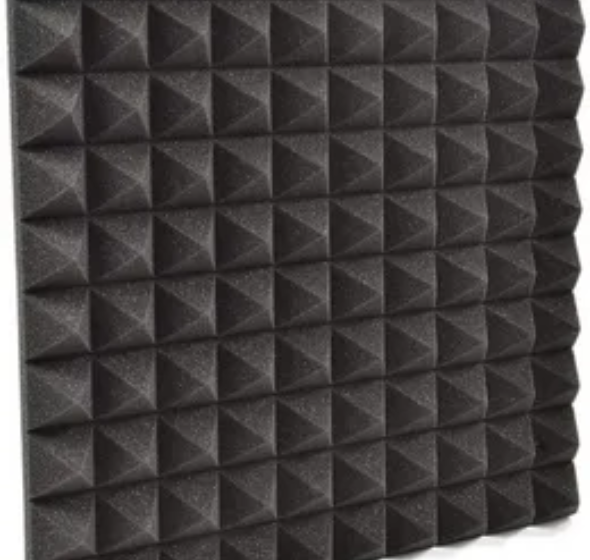
The effectiveness of acoustic foam panels comes from their porous structure. When sound waves enter the foam, they travel through small air pockets. As the waves move through these spaces, friction reduces their energy. This process converts sound energy into a very small amount of heat, reducing the strength of reflected noise.
This is why rooms with foam panels often feel noticeably calmer and less echo-prone.
Why quiet interiors depend on echo control
The role of reverberation in noisy environments
A space is not necessarily noisy because of loud sounds alone—it often feels noisy due to lingering echoes. Reverberation keeps sound alive in a room even after the original source has stopped. This creates a cluttered acoustic environment where different sounds overlap.
Acoustic foam panels reduce reverberation time, allowing sound to fade more quickly. This creates a clearer and more controlled listening experience.
Improving speech clarity and communication
One of the biggest advantages of reduced echo is improved speech clarity. In untreated rooms, words can become distorted due to overlapping reflections. By absorbing these reflections, acoustic foam panels make speech easier to understand.
This improvement is especially valuable in offices, meeting rooms, and learning spaces where clear communication is essential.
Where acoustic foam panels make the biggest difference
Workspaces that need focus and clarity
In office environments, background noise from conversations, equipment, and movement can be distracting. Acoustic foam panels help reduce this by absorbing excess sound reflections. This creates a more focused environment where concentration becomes easier and communication becomes more efficient.
Home environments that require comfort
In residential spaces, especially living rooms or entertainment areas, sound reflections can affect comfort. Foam panels help control these reflections, making movie watching, music listening, or simple conversations more enjoyable and less harsh on the ears.
Creative spaces where sound accuracy matters
In audio recording or creative production environments, sound accuracy is extremely important. Reflections can distort recordings and affect quality. Acoustic foam panels help create a controlled environment where sound remains clean, accurate, and free from unwanted echo interference.
What affects the performance of acoustic foam panels
Placement strategy inside a room
The position of acoustic foam panels plays a major role in their effectiveness. Walls where sound reflections are strongest, ceilings, and corners are common installation areas. Proper placement ensures that sound waves are absorbed before they scatter throughout the room.
Foam thickness and acoustic range
Different foam thickness levels affect how sound is absorbed. Thicker panels generally handle deeper sound frequencies, while thinner panels are more effective for higher frequencies like speech. A balanced combination is often used depending on the purpose of the room.
Room size and surface materials
Large rooms with hard surfaces tend to reflect more sound, requiring more acoustic treatment. On the other hand, rooms with soft furnishings naturally absorb some sound already. Understanding room structure helps determine how many panels are needed for effective results.
What acoustic foam panels cannot do alone
Difference between sound absorption and sound blocking
It is important to understand that acoustic foam panels do not completely block external noise. Their primary role is sound absorption, not soundproofing. They improve internal acoustics but do not stop noise from entering or leaving a room.
True soundproofing requires structural changes like dense walls, sealed gaps, and specialized construction methods.
Why full silence is not always the goal
In many environments, complete silence is not desirable. Instead, the goal is controlled sound. Acoustic foam panels help achieve this balance by reducing harsh reflections while still allowing a natural level of ambient sound.
Designing interiors with better acoustic balance
Combining materials for improved results
Acoustic foam panels work best when combined with other soft materials such as curtains, carpets, and upholstered furniture. These elements collectively reduce sound reflections from multiple surfaces, creating a more balanced acoustic environment.
Planning acoustics based on room purpose
Every room has a different sound requirement. A workspace needs clarity, a home theater needs controlled echo, and a studio needs precision. Designing acoustic treatment based on usage ensures that foam panels deliver the most effective results.
Final understanding of quiet interior design
Acoustic foam panels help create quieter interiors by controlling how sound behaves inside a room. Instead of blocking noise, they absorb sound reflections, reduce echo, and improve clarity. Their effectiveness depends on proper placement, room design, and material selection. When used correctly, they transform noisy, reflective spaces into calm and comfortable environments suitable for work, relaxation, and creativity.
For More Isightful Articles Related To This Topic, Feel Free To Visit: ecomotion



No Comment! Be the first one.