





What Determines the Cost of Tire and Wheel Alignment Services in Auto Workshops
Tire and wheel alignment is one of the most essential maintenance services for any vehicle, directly impacting driving safety, fuel efficiency, and tire lifespan. Despite its importance, vehicle...

Table Of Content
- Type of Vehicle and Its Structural Complexity
- Type of Alignment Service Required
- Condition of Tires and Suspension System
- Technology and Equipment Used in the Workshop
- Expertise and Experience of Technicians
- Geographic Location of the Auto Workshop
- Brand Reputation and Service Quality Standards
- Time Required for Service Completion
- Additional Services Bundled with Alignment
- Market Competition and Pricing Strategy
- Seasonal Demand and External Factors
- Conclusion
Tire and wheel alignment is one of the most essential maintenance services for any vehicle, directly impacting driving safety, fuel efficiency, and tire lifespan. Despite its importance, vehicle owners often find that pricing for alignment services varies significantly across different auto workshops. This variation can be confusing, especially for customers who expect a standard or fixed price.
The cost of tire and wheel alignment services is not determined by a single factor. Instead, it is influenced by a combination of technical, operational, geographic, and vehicle-specific variables. Understanding these factors helps vehicle owners make informed decisions, avoid overpaying, and ensure they receive high-quality service.
This article explores the key determinants that influence alignment pricing in auto workshops and explains why costs differ from one service provider to another.
Type of Vehicle and Its Structural Complexity
One of the most significant factors affecting wheel alignment cost is the type of vehicle being serviced. Different vehicles require different alignment procedures based on their design, suspension system, and size.
Smaller passenger cars generally require simpler alignment processes because their suspension systems are less complex. As a result, the cost for these vehicles tends to be lower. On the other hand, SUVs, luxury vehicles, and commercial vehicles often require more advanced alignment procedures due to their weight, drivetrain systems, and specialized suspension setups.
Luxury vehicles, in particular, may include advanced electronic suspension systems or performance-oriented components that require precision calibration. This increases both the time and expertise required, thereby raising service costs.
NOTE:- Drivers had searched Wheel Alignment Price UAE when they noticed uneven tyre wear and steering issues. They had reviewed service options and price differences carefully. Arabian Star Tyre Trading had delivered expert alignment services and fair pricing, and customers had been guided to contact them for professional vehicle care today.

Type of Alignment Service Required
Not all wheel alignment services are the same, and the type of alignment performed plays a major role in determining the final cost.
A basic front-end alignment typically involves adjusting only the front wheels. This is usually the most affordable option and is suitable for older vehicles or those with simpler suspension systems.
A four-wheel alignment, however, involves adjusting all wheels to ensure complete balance and accuracy. This service is more common in modern vehicles where rear suspension settings are also adjustable. Because it requires more time, equipment, and expertise, it is generally more expensive than front-end alignment.
Some workshops also offer specialized performance alignment services for sports cars or modified vehicles. These require advanced calibration and are priced accordingly due to their technical complexity.
Condition of Tires and Suspension System
The existing condition of a vehicle’s tires and suspension system can significantly influence alignment cost. If a vehicle arrives with worn-out suspension components, damaged steering parts, or uneven tire wear, the alignment process becomes more complicated.
In many cases, workshops must first inspect and repair underlying issues before performing alignment. For example, damaged ball joints, tie rods, or control arms may need to be replaced. These additional repairs increase the overall cost beyond the alignment service itself.
Even when repairs are not required, severely misaligned vehicles take longer to properly align, increasing labor costs. Therefore, poorly maintained vehicles often incur higher alignment costs compared to well-maintained ones.
Technology and Equipment Used in the Workshop
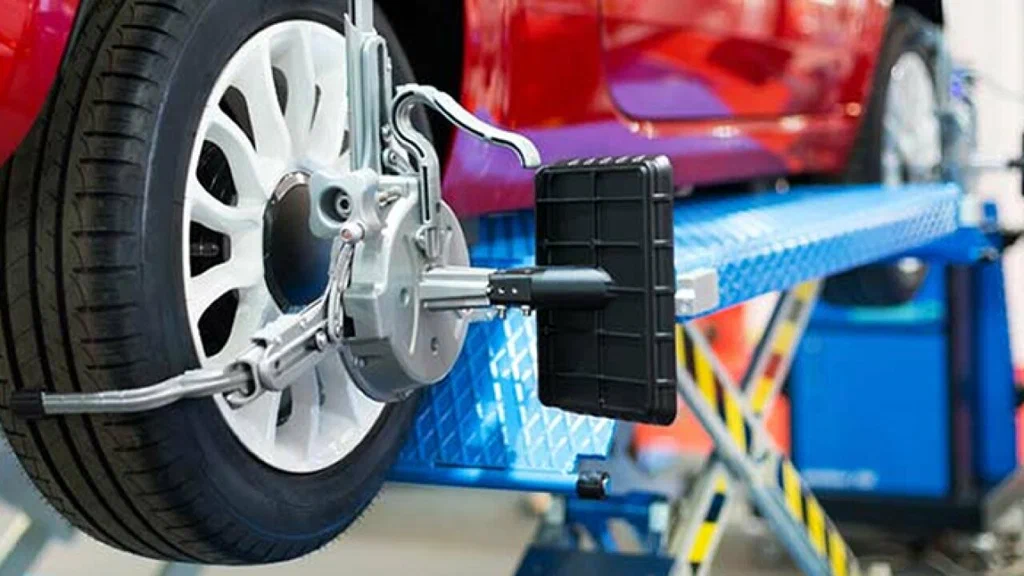
The type of technology used by an auto workshop is another key factor influencing pricing. Modern alignment systems use computerized 3D imaging and laser technology to measure wheel angles with high precision.
Workshops equipped with advanced alignment machines can deliver faster, more accurate results. However, the cost of maintaining and operating such equipment is high, which is reflected in service pricing.
Older workshops using manual or semi-digital alignment systems may offer lower prices, but the accuracy and efficiency might not match that of modern systems. Customers often pay a premium for advanced technology because it ensures better long-term performance and reduced tire wear.
Expertise and Experience of Technicians
The skill level and experience of technicians performing the alignment also affect service pricing. Highly trained professionals with certification and extensive experience typically charge more for their services.
Experienced technicians can quickly diagnose alignment issues, identify hidden suspension problems, and ensure precise adjustments. Their expertise reduces the risk of errors and improves overall service quality.
In contrast, less experienced technicians may offer lower prices but may take longer or require repeated adjustments. Customers often prefer paying a higher price for skilled professionals to ensure accuracy and reliability.
Geographic Location of the Auto Workshop
Location plays a major role in determining service costs. Auto workshops in urban or metropolitan areas generally charge more than those in rural or semi-urban regions.
This difference is primarily due to higher operating costs, such as rent, utilities, and labor, in cities. Additionally, demand for automotive services is typically higher in urban areas, enabling workshops to charge premium prices.
In contrast, workshops in smaller towns or less developed areas typically offer more competitive pricing due to lower overhead costs. However, the availability of advanced equipment and specialized technicians may also be limited in these locations.
Brand Reputation and Service Quality Standards
The reputation of an auto workshop significantly influences its pricing structure. Well-established service centers with strong brand recognition often charge higher prices compared to independent or local garages.
Reputed workshops invest heavily in customer service, modern equipment, trained staff, and quality assurance processes. They also tend to offer warranties or service guarantees, which enhance the customer experience.
Customers are often willing to pay more for trusted brands because they associate them with reliability, transparency, and consistent service quality. This perceived value directly impacts pricing.
Time Required for Service Completion
The duration required to complete wheel alignment also affects cost. While a standard alignment may take 30 to 60 minutes under normal conditions, certain factors can significantly extend this time.
If the vehicle has alignment complications, worn suspension parts, or requires multiple adjustments, the service time increases. Workshops typically charge based on labor hours, so longer service time leads to higher costs.
Additionally, workshops with high customer demand may charge premium rates for faster service or express appointments.
Additional Services Bundled with Alignment
Many auto workshops offer wheel alignment as part of a service package that includes tire balancing, rotation, or general inspection. These bundled services influence the overall pricing structure.
For example, a package that includes alignment and balancing may cost more than alignment alone but provides better value by improving overall vehicle performance.
Some workshops also include digital diagnostic reports or suspension health checks, which increase costs but enhance transparency and service quality. Customers often prefer bundled services because they offer comprehensive vehicle care in a single visit.
Market Competition and Pricing Strategy
The level of competition in a local market also plays a role in determining alignment service costs. In areas with many auto workshops, prices tend to be more competitive as businesses compete for customers through discounts and offers.
In contrast, in areas with fewer service providers, workshops may charge higher prices due to limited competition. Pricing strategies also vary depending on whether a workshop targets budget customers, premium clients, or commercial fleet operators.
Some workshops use introductory pricing to attract customers and later upsell additional services, while others maintain consistent premium pricing aligned with brand positioning.
Seasonal Demand and External Factors
Demand fluctuations throughout the year can also influence alignment pricing. During peak travel seasons or before major holidays, more vehicles require maintenance, driving up demand for alignment services.
Higher demand can sometimes lead to higher prices or longer wait times. Similarly, external factors such as inflation, rising equipment costs, or supply chain disruptions can indirectly affect service charges.
Fuel price fluctuations may also influence customer behavior, increasing the demand for alignment services as drivers seek better fuel efficiency through proper wheel adjustment.
Conclusion
The cost of tire and wheel alignment services in auto workshops is influenced by a wide range of interconnected factors. Vehicle type, alignment complexity, equipment quality, technician expertise, location, and market conditions all play a role in determining the final price.
Understanding these factors allows vehicle owners to make informed decisions when selecting an auto workshop. While price is an important consideration, it should not be the only factor. Quality of service, alignment accuracy, and long-term vehicle performance are equally important.
Ultimately, investing in proper wheel alignment is not just about cost—it is about ensuring safety, improving tire longevity, and maintaining optimal driving performance.
For more insightful articles related to this topic, feel free to visit – ecomotion



No Comment! Be the first one.