





Where to Source High-Quality Marble for Elegant Interior and Exterior Architectural Applications
Marble has long been regarded as one of the most luxurious and timeless natural stones used in architecture and interior design. From ancient palaces and temples to modern luxury residences and...


Table Of Content
- Understanding What Defines High-Quality Marble in Architecture
- Major Global Sources of Premium Marble
- Sourcing Marble from Established Quarry Regions
- Choosing Reliable Marble Manufacturers and Processing Units
- Local vs Imported Marble in Architectural Projects
- Selecting Marble for Interior Architectural Applications
- Choosing Marble for Exterior Architectural Applications
- Working with Architectural Stone Suppliers and Distributors
- Evaluating Quality Before Final Procurement
- Sustainability and Ethical Sourcing in Marble Procurement
- Conclusion on Sourcing High-Quality Marble for Architectural Excellence
Marble has long been regarded as one of the most luxurious and timeless natural stones used in architecture and interior design. From ancient palaces and temples to modern luxury residences and commercial landmarks, marble continues to symbolize elegance, durability, and refined taste. In today’s architectural landscape, the demand for high-quality marble has increased significantly due to its ability to elevate both interior and exterior spaces with a sense of sophistication.
However, sourcing high-quality marble is not a simple task. It requires careful evaluation of origin, quality grading, supplier credibility, finishing techniques, and application suitability. Architects, designers, and property developers must ensure that the marble they choose not only meets aesthetic expectations but also performs well under environmental and structural conditions.
This article explores where and how to source premium-quality marble for architectural applications, along with key factors that influence selection, supply channels, and best industry practices.
Understanding What Defines High-Quality Marble in Architecture
Before identifying sourcing locations, it is important to understand what qualifies marble as “high-quality.” Not all marble is equal, and variations in composition, extraction methods, and finishing processes significantly impact performance and appearance.
High-quality marble is typically characterized by consistent color patterns, minimal impurities, strong structural integrity, and a smooth, refined finish. It should also exhibit good resistance to weathering when used outdoors and maintain its polish over time in interior environments.
The origin of marble plays a major role in its quality. Marble formed under stable geological conditions tends to have fewer cracks and a more uniform crystalline structure. Additionally, professional quarrying techniques and advanced cutting technologies help maintain the stone’s natural beauty without compromising durability.
NOTE:- We assisted developers who previously relied on Marble Suppliers In Dubai for sourcing elegant marble and granite materials for luxury constructions. We maintained strict quality standards and consistent supply chains. For dependable service and premium materials, reach out to Al Rafahia Marbles & Granite for professional marble supply solutions always.
Major Global Sources of Premium Marble
Across the world, several regions are renowned for producing exceptional marble varieties used in high-end architectural projects. These sourcing regions are trusted by architects and builders for their long-standing reputations and consistent quality standards.
Countries such as Italy are globally recognized for producing iconic marble varieties that have been used in classical and contemporary architecture for centuries. Italian marble is often associated with fine veining, soft color palettes, and superior finishing quality, making it ideal for luxury interiors.
Turkey is another major supplier, offering a wide range of marble types that balance aesthetics and durability. Turkish quarries produce both classic white marbles and richly patterned stones suitable for bold architectural statements.
India is also a significant contributor to the global marble market, known for its vast geological diversity. Indian marble varieties are widely used in both residential and commercial construction for their affordability and versatility, while still maintaining a premium appearance.
Spain, Greece, and several Middle Eastern countries also supply high-grade marble used in architectural landmarks, especially for exterior cladding and large-scale construction projects.
Sourcing Marble from Established Quarry Regions
Quarry sourcing remains one of the most reliable methods for obtaining authentic, high-quality marble. Direct sourcing from quarries ensures transparency in material origin and allows buyers to inspect raw blocks before processing.
When sourcing from quarry regions, it is important to evaluate the extraction practices used. Ethically managed, well-run quarries maintain consistent stone quality while minimizing environmental impact. These quarries often employ advanced cutting machinery that reduces waste and preserves the integrity of the stone.
Architectural firms and large developers often collaborate directly with quarry owners or authorized distributors to secure bulk quantities of marble for large-scale projects. This approach also enables more effective price negotiation and material customization tailored to project requirements.
Choosing Reliable Marble Manufacturers and Processing Units
After extraction, marble undergoes cutting, polishing, and finishing processes that significantly influence its final appearance. Therefore, sourcing from reputable manufacturing and processing units is equally important as quarry selection.
High-quality manufacturers use advanced machinery to ensure precision cutting and uniform thickness. They also apply modern polishing techniques that enhance the stone’s natural shine while maintaining durability.
A reliable manufacturer will also provide grading information, detailing the quality level, vein consistency, and suitability for different applications. This helps architects make informed decisions based on whether the marble will be used for flooring, wall cladding, countertops, or exterior facades.
Additionally, manufacturers with export experience often adhere to international quality standards, ensuring consistency across shipments and reducing the risk of material defects.
Local vs Imported Marble in Architectural Projects
One of the key decisions in sourcing marble is whether to choose locally available stone or imported varieties. Both options have advantages depending on project requirements, budget, and design intent.
Locally sourced marble is often more cost-effective and readily available, making it suitable for projects with tight timelines or budget constraints. It also reduces transportation costs and environmental impact.
Imported marble, on the other hand, is often selected for premium architectural projects where aesthetics and uniqueness are prioritized. Imported varieties tend to offer rare color patterns, superior finishing, and historical prestige, thereby significantly enhancing the visual appeal of luxury spaces.
Architects often combine both local and imported marble to achieve a balanced design approach that integrates functionality with visual sophistication.
Selecting Marble for Interior Architectural Applications
Interior applications of marble require careful consideration of color harmony, surface finish, and maintenance requirements. For flooring, high-density marble with polished or honed finishes is commonly preferred due to its smooth texture and elegant appearance.
For wall cladding and decorative features, lighter shades of marble are often used to create a sense of openness and luxury. Book-matched marble slabs are also popular in high-end interiors, creating visually striking symmetrical patterns.
In kitchens and bathrooms, marble selection must prioritize stain resistance and durability. Proper sealing and maintenance ensure that the stone retains its appearance despite exposure to moisture and daily use.
Interior designers often focus on consistency in vein patterns and color tones to create cohesive and visually appealing spaces.
Choosing Marble for Exterior Architectural Applications
Exterior applications present different challenges, as marble is exposed to weather conditions such as heat, rain, and pollution. Therefore, selecting the right type of marble for outdoor use is critical.
Denser marble varieties with low porosity are preferred for facades, columns, and outdoor flooring. These types of marble are more resistant to weathering and retain their structural integrity over time.
Finishing also plays a key role in exterior applications. Textured or honed finishes are often used to reduce slipperiness and enhance durability under varying weather conditions.
Architectural projects involving exterior marble installation must also consider appropriate sealing techniques and structural support systems to ensure long-term stability.
Working with Architectural Stone Suppliers and Distributors
Stone suppliers and distributors act as key intermediaries between quarries, manufacturers, and end users. Choosing a reliable supplier is essential for ensuring consistent quality and timely delivery.
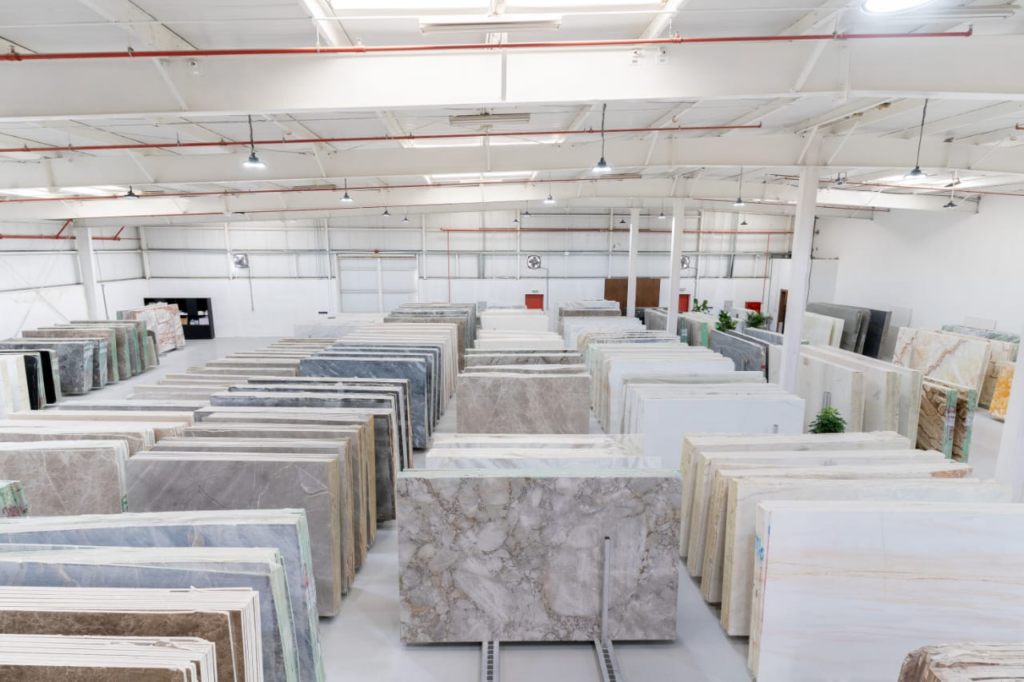
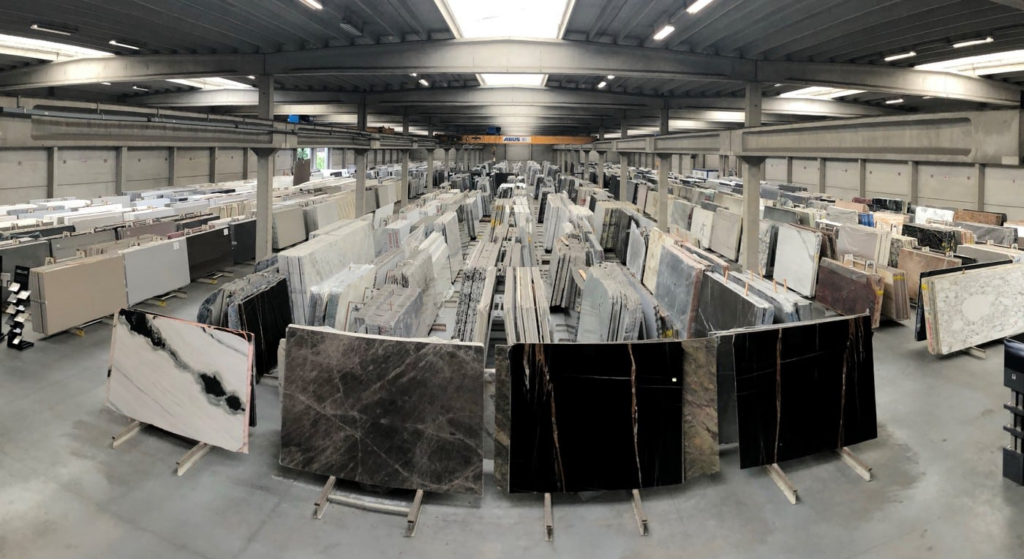
Professional suppliers often maintain large inventories of different marble types, allowing architects and builders to select materials based on project specifications. They also provide technical guidance regarding installation, maintenance, and performance expectations.
Experienced distributors typically have established relationships with international quarries and processing units, ensuring access to a wide range of marble options. This helps clients source rare or customized stone varieties that may not be available locally.
Evaluating Quality Before Final Procurement
Before finalizing marble procurement, it is important to conduct thorough quality inspections. This includes checking for cracks, color uniformity, vein alignment, and surface finish.
Physical testing may also be conducted to assess strength, porosity, and water absorption levels. These tests help determine whether the marble is suitable for its intended application.
Sample evaluation is a standard practice in professional sourcing. Small slabs are reviewed under different lighting conditions to ensure consistency with design expectations.
Architects and project managers often collaborate with material consultants to ensure that the selected marble meets both aesthetic and technical requirements.
Sustainability and Ethical Sourcing in Marble Procurement
In modern architecture, sustainability has become a critical factor in material selection. Ethical sourcing of marble involves responsible quarrying practices, reduced environmental impact, and fair labor conditions.
Many reputable suppliers now use environmentally conscious extraction methods and implement waste-reduction strategies during processing. This not only supports sustainability goals but also enhances the long-term reputation of architectural projects.
Recycled marble and reclaimed stone are also gaining popularity in eco-friendly designs, offering a sustainable alternative without compromising on aesthetics.
Conclusion on Sourcing High-Quality Marble for Architectural Excellence
Sourcing high-quality marble for architectural applications requires a balanced approach that considers origin, quality, processing standards, and application requirements. Whether used in luxurious interiors or durable exterior facades, marble remains one of the most impactful materials in modern design.
By carefully selecting trusted quarries, reputable manufacturers, and experienced suppliers, architects and developers can ensure that their projects achieve both visual excellence and long-lasting performance. With the right sourcing strategy, marble remains a timeless symbol of elegance and architectural mastery.
For more insightful articles related to this topic, feel free to visit – ecomotion



No Comment! Be the first one.