





Industrial Hot Rolled Plates: Specifications and Key Uses
Introduction When you look at massive structures like bridges, skyscrapers, or ocean-going cargo ships, you might wonder what kind of material holds such colossal weight together. The unsung hero...

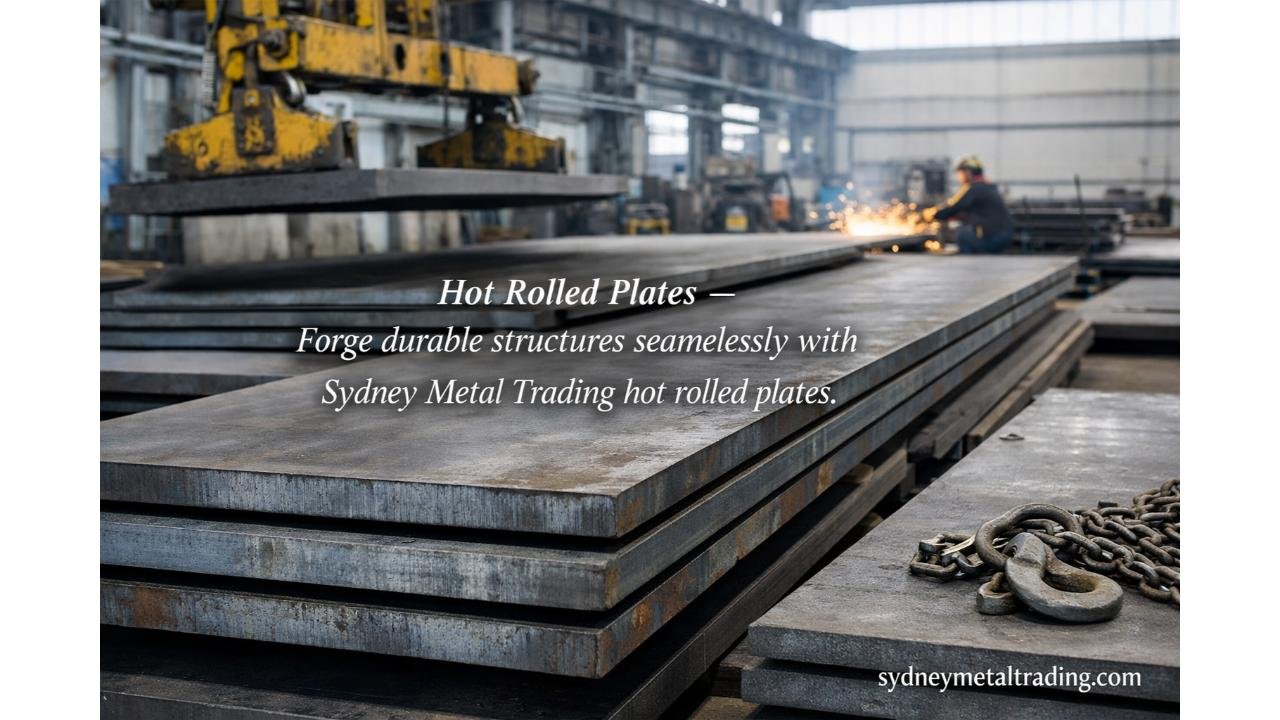
Table Of Content
Introduction
When you look at massive structures like bridges, skyscrapers, or ocean-going cargo ships, you might wonder what kind of material holds such colossal weight together. The unsung hero behind these engineering marvels is a heavy-duty material known as Hot Rolled Plates. These thick slabs of metal form the backbone of modern construction and manufacturing. To understand how they are made, imagine a giant rolling pin flattening out red-hot metal at incredibly high temperatures—usually well over 1,700°F. This intense heat makes the steel malleable, allowing factory machines to press and shape it into large, sturdy sheets. Because they are processed at such extreme temperatures, Hot Rolled Plates finish the cooling process naturally, which gives them a distinct look and set of characteristics perfect for heavy-duty jobs.
Understanding the Key Features of Hot-Rolled Plates
To grasp why these metal sheets are so popular in the industrial world, we need to look at what makes them unique. Unlike shinier, precisely measured cold-rolled steel, hot-processed steel has a more rugged personality. It isn’t built for delicate cosmetic items; it is built to take a beating and carry heavy loads.
Because the metal cools down at room temperature after being rolled, it shrinks slightly and unevenly. This gives the surface a slightly rough, scaly texture known as a mill finish. It also means the edges might be a bit rounded rather than perfectly sharp. However, what it lacks in mirror-like beauty, it more than makes up for in structural integrity and adaptability. It is highly weldable and easy to shape, making it a favorite for workers who need to cut, bend, and piece together massive metallic structures without the fear of the material cracking under pressure.
Decoding the Critical Specifications
You cannot just walk into a supplier and ask for a generic piece of metal; these plates come with specific recipes and measurements tailored for different kinds of work. Think of specifications as the DNA of the steel plate, dictating how strong it is and where it can be safely used.
- Thickness and Scale: These plates are defined by their heft. While thin sheets are used for car bodies, these plates usually start around a quarter of an inch thick and can go up to several inches. The choice depends entirely on how much weight or pressure the final structure needs to withstand.
- Material Grade: The chemical mix inside the steel changes its behavior. Some grades are packed with extra carbon to make them incredibly hard and resistant to wear, while others include elements like manganese to improve formability.
- Structural Standard: Depending on the region, plates must meet specific safety benchmarks. For instance, carbon steel plates are frequently chosen for general construction because they offer an excellent balance of affordability and strength, ensuring that buildings and platforms remain stable for decades.
How Modern Industries Utilize These Plates
Because of their resilience, you will find these heavy-duty metal slabs in almost every corner of the industrial landscape. They are the literal building blocks of our modern infrastructure.
Heavy Construction and Infrastructure
Architects and civil engineers rely heavily on these plates to build the framework of our world. They are welded into massive I-beams for warehouses, used to reinforce highway overpasses, and laid down as foundations for towering skyscrapers.
Transport and Maritime Vessels
Think about the sheer force a cruise ship or a freight train encounters. The hulls of massive ocean liners are crafted from these plates because they can resist the relentless pounding of ocean waves. Similarly, railroad cars and large transport trucks use them to haul heavy freight across continents.
Energy and Storage Solutions
The energy sector keeps the world running, and it uses these metal sheets to keep its resources safe.
- Fuel Storage: Massive oil and water tanks are welded together using thick plates to prevent leaks and withstand internal pressure.
- Pipeline Transport: Large-diameter pipes that move resources over thousands of miles are shaped from this material.
- Industrial Boilers: High-pressure steam systems require heavy scaling that won’t warp under intense heat.
Conclusion
Industrial steel plates are much more than just chunks of metal; they are the core components that keep our physical world upright, safe, and moving forward. From the deep hulls of maritime vessels to the towering heights of city skyscrapers, their unique combination of strength, flexibility, and weldability makes them absolutely irreplaceable. Navigating the world of material grades and thicknesses can feel overwhelming, but finding the right fit is crucial for the safety and longevity of any build. For those looking to source the highest quality materials for their next big project, partnering with a dependable supplier like Sydney Metal Trading LLC ensures you get the exact durability and expert guidance your industrial endeavors require.



No Comment! Be the first one.