




Custom Colored Mailer Boxes With Logo That Help Brands Get Noticed
In many UK supply chains, packaging decisions are often made under tight timelines, fixed budgets, and growing pressure from marketing teams to ensure consistency across every shipment. Business...

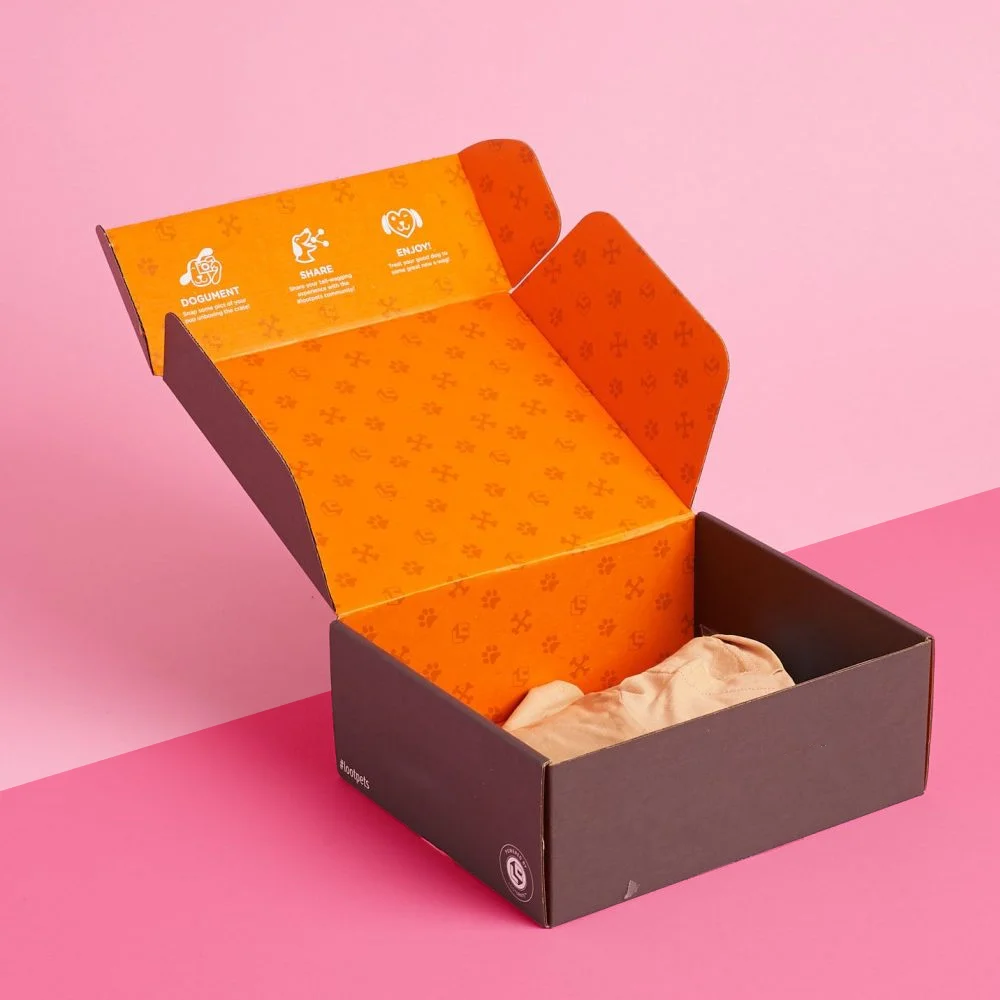
Table Of Content
In many UK supply chains, packaging decisions are often made under tight timelines, fixed budgets, and growing pressure from marketing teams to ensure consistency across every shipment. Business owners and procurement managers frequently face the same issue: products may be well-made, but the packaging they arrive in varies in colour, strength, or print quality depending on the supplier. This lack of consistency can complicate inventory planning and create unnecessary back-and-forth with vendors.
For event companies and ecommerce operations in particular, packaging has become part of operational planning rather than a last-stage consideration. The focus has shifted toward sourcing packaging that performs reliably while also meeting branding requirements at scale.
What decision-makers should prioritise when sourcing mailer packaging
When evaluating packaging suppliers, several practical factors tend to influence long-term satisfaction more than design alone.
Material quality and consistency
Packaging that looks correct on a sample but varies in bulk orders can disrupt fulfilment workflows. Corrugated strength, print adhesion, and colour accuracy all need to remain stable across repeat production runs.
Minimum order quantity (MOQ)
Smaller businesses often require flexibility, while larger procurement teams look for scalable pricing structures. Suppliers that offer adaptable MOQs can help businesses test packaging before committing to larger production volumes.
Lead times and supply reliability
Delayed packaging shipments can affect fulfilment schedules and client commitments. Reliable production timelines are often more valuable than small cost differences between suppliers.
Customisation range
Brands frequently require more than just logo placement. Colour consistency, internal printing, finishes, and structural variations such as inserts or reinforced flaps can all play a role in operational suitability.
Packaging formats used across UK distribution channels
Different packaging types serve different operational needs, and procurement teams often evaluate multiple formats before standardising.
- Mailer boxes for ecommerce shipping and subscription products
- Rigid boxes for high-value or presentation-led items
- Custom sleeves for layering branding over existing packaging
- Tuck-end boxes for retail display and lightweight goods
Each format carries its own cost structure, storage requirement, and production timeline. Mailer boxes are often selected for their balance between durability and shipping efficiency, especially in direct-to-consumer fulfilment.
Role of coloured mailer boxes in structured packaging strategies
Coloured packaging has become more common in sectors where warehouse handling and delivery presentation both matter. Consistent colour application helps teams identify product lines quickly during picking and packing, reducing errors in high-volume environments.
A widely used option in this category is the custom colored mailer boxes with logo, which allows businesses to align packaging design with internal logistics needs. These boxes are often used by ecommerce retailers, subscription services, and promotional campaign teams that require repeatable packaging output with stable branding elements.
For procurement managers, the key advantage is not only appearance but also repeat production stability. When a supplier can maintain consistent colour batches and print alignment, it reduces the need for additional quality checks during inbound stock inspections.
Supplier evaluation and sourcing considerations
Choosing a packaging supplier is often less about a single product and more about overall reliability across multiple orders. UK-based buyers tend to look at supplier track record, production transparency, and the ability to support both small and large runs without major variation in output.
Working with established providers such as Mailer Boxes UK allows businesses to centralise packaging procurement under one supplier, which can simplify reordering and reduce specification mismatches between departments. This can be particularly useful for companies managing seasonal campaigns or multiple product lines.
Final considerations before placing a bulk order
Before committing to large-scale production, procurement teams often benefit from reviewing a few practical checkpoints:
- Request physical samples to verify colour and print consistency
- Confirm tolerances for size variation across production batches
- Review delivery schedules in relation to stock holding capacity
- Check how packaging performs under warehouse handling conditions
- Compare unit pricing across different order volumes
These steps help reduce the risk of operational disruption once packaging is introduced into live fulfilment environments.
For businesses exploring packaging options that combine branding with functional reliability, starting with a smaller test order can provide useful insight before scaling. Suppliers that offer clear specifications and responsive support tend to be easier to work with during expansion phases.
A custom quote request is often the next practical step for teams comparing formats, pricing tiers, and production timelines across different packaging types.



No Comment! Be the first one.