





Spot Welding Equipment: A Complete Guide for Modern Manufacturing Industries
In today’s high-speed manufacturing environment, spot welding equipment plays a critical role in producing strong, reliable, and cost-effective metal joints. From automotive body structures to home...

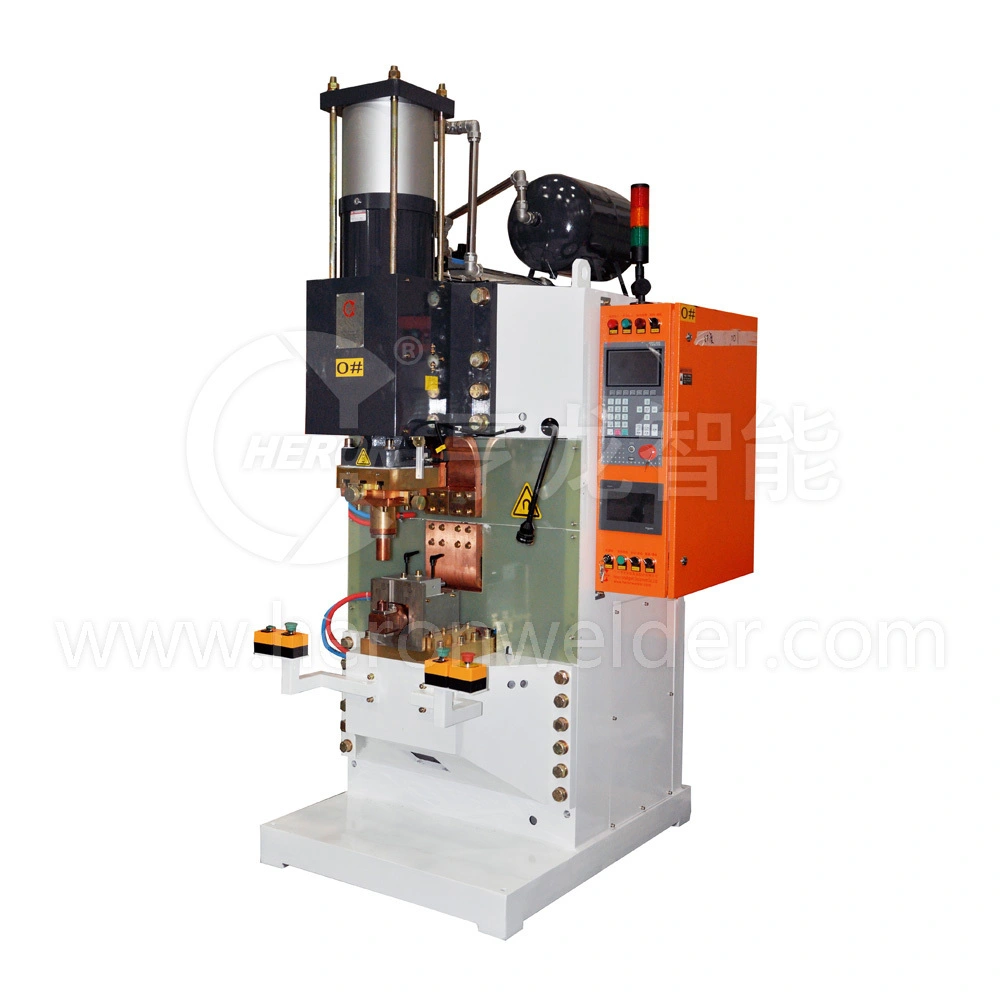
Table Of Content
- What is Spot Welding Equipment?
- Core Working Principle
- Types of Spot Welding Equipment
- 1. Traditional AC Spot Welding Machines
- 2. MFDC Spot Welding Equipment
- 3. Capacitor Discharge Spot Welding Equipment
- 4. Automated and Robotic Spot Welding Systems
- Key Components of Spot Welding Equipment
- Welding Transformer
- Electrodes
- Welding Controller
- Pneumatic or Servo Force System
- Cooling System
- Industrial Applications of Spot Welding Equipment
- Automotive Industry
- Appliance Manufacturing
- Electrical and Electronics
- Construction and Metal Fabrication
- Advantages of Spot Welding Equipment
- High Production Speed
- Strong and Durable Joints
- Cost Efficiency
- Automation Compatibility
- Clean and Consistent Process
- How to Choose the Right Spot Welding Equipment
- Material Type and Thickness
- Production Volume
- Precision Requirements
- Energy Efficiency Needs
- Integration Capability
- Best Practices for Efficient Spot Welding
- Heron Welder: Advanced Spot Welding Solutions
- Frequently Asked Questions (FAQs)
- 1. What materials can spot welding equipment join?
- 2. Is spot welding suitable for automation?
- 3. What is the difference between MFDC and AC spot welding?
- 4. How long does a spot weld take?
- 5. How often should electrodes be replaced?
- Conclusion
- Request a Custom Solution
In today’s high-speed manufacturing environment, spot welding equipment plays a critical role in producing strong, reliable, and cost-effective metal joints. From automotive body structures to home appliances and electrical enclosures, resistance spot welding remains one of the most widely used joining technologies in industrial production lines.
For OEMs, automation integrators, and factory decision-makers, selecting the right spot welding equipment is not just about joining metals it is about improving productivity, ensuring weld consistency, reducing operational costs, and enabling scalable automation.
As a global manufacturer of advanced resistance welding systems, Heron Welder provides engineered solutions designed for precision, durability, and high-volume industrial performance.
What is Spot Welding Equipment?
Spot welding equipment refers to a type of resistance welding system that joins two or more overlapping metal sheets by applying pressure and passing electrical current through electrodes. The resistance at the contact point generates heat, forming a weld nugget that solidifies under pressure.
Unlike traditional welding methods that require filler materials, spot welding is a clean, fast, and highly repeatable process ideal for mass production.
Core Working Principle
The process is based on three essential parameters:
- Electrical current
- Electrode force
- Welding time
When these factors are precisely controlled, localized heat melts the metal interface, creating a strong metallurgical bond upon cooling.
Types of Spot Welding Equipment
Modern industrial production requires different types of spot welding systems depending on material thickness, production speed, and automation level.
1. Traditional AC Spot Welding Machines
These systems use alternating current to generate heat at the weld point. They are widely used for general sheet metal applications but may have limitations in energy efficiency and control precision.
2. MFDC Spot Welding Equipment
Medium Frequency Direct Current (MFDC) systems are the modern standard in high-performance manufacturing.
Key advantages:
- Higher energy efficiency
- Better weld consistency
- Reduced heat distortion
- Improved control over thin and coated materials
MFDC systems are especially preferred in automotive and appliance manufacturing.
3. Capacitor Discharge Spot Welding Equipment
This type delivers energy in a very short burst using stored electrical energy.
Best suited for:
- Electronics manufacturing
- Precision components
- Thin metal sheets
4. Automated and Robotic Spot Welding Systems
Integrated with robotic arms and production lines, these systems are designed for high-volume production environments.
Features include:
- PLC-based control systems
- Real-time monitoring
- Multi-point welding capability
- Seamless integration with production automation
Key Components of Spot Welding Equipment
Understanding the structure of spot welding equipment helps in selecting the right system for industrial use.
Welding Transformer
Converts input power into high welding current required for metal fusion.
Electrodes
Typically made of copper alloys, electrodes deliver current and pressure to the workpiece.
Welding Controller
The brain of the system, controlling current, time, and force with precision.
Pneumatic or Servo Force System
Ensures consistent pressure during welding to achieve uniform weld quality.
Cooling System
Prevents overheating of electrodes and transformer, improving equipment lifespan.
Industrial Applications of Spot Welding Equipment
Spot welding equipment is essential across multiple manufacturing sectors:
Automotive Industry
- Car body assembly
- Door panels and chassis components
- EV battery enclosures
Appliance Manufacturing
- Washing machines
- Refrigerators
- Air conditioning units
Electrical and Electronics
- Control cabinets
- Battery packs
- Metal enclosures
Construction and Metal Fabrication
- Structural sheet assemblies
- HVAC ducting systems
- Industrial enclosures
Its versatility makes it one of the most important joining technologies in modern industrial production.
Advantages of Spot Welding Equipment
Investing in advanced spot welding equipment provides several manufacturing benefits:
High Production Speed
Spot welding completes joints in milliseconds, making it ideal for mass production environments.
Strong and Durable Joints
Properly controlled welds create high-strength metallurgical bonds.
Cost Efficiency
No need for filler materials, reducing operational costs significantly.
Automation Compatibility
Modern systems integrate easily with robotic arms and automated production lines.
Clean and Consistent Process
Minimal spatter and repeatable weld quality ensure stable production output.
How to Choose the Right Spot Welding Equipment
Selecting the right system depends on several technical and operational factors:
Material Type and Thickness
Different metals (steel, stainless steel, aluminum) require specific welding parameters and power levels.
Production Volume
High-volume production demands automated MFDC or robotic systems.
Precision Requirements
Industries like electronics require high-precision capacitor discharge systems.
Energy Efficiency Needs
MFDC systems offer better long-term energy savings for continuous operations.
Integration Capability
For smart factories, compatibility with PLC systems and automation networks is essential.
Best Practices for Efficient Spot Welding
To ensure optimal performance of spot welding equipment, manufacturers should follow these practices:
- Regular electrode maintenance and dressing
- Proper alignment of welding arms and tips
- Consistent monitoring of welding parameters
- Use of high-quality cooling systems
- Periodic calibration of controllers
- Operator training for process stability
These practices significantly improve weld quality and extend equipment lifespan.
Heron Welder: Advanced Spot Welding Solutions
Heron Welder specializes in designing and manufacturing high-performance spot welding equipment tailored for industrial-scale production environments.
Our solutions are engineered for:
- Automotive OEM production lines
- High-precision appliance manufacturing
- Automated welding integration systems
- Energy-efficient MFDC welding platforms
With a strong focus on innovation and reliability, Heron systems are built to deliver consistent weld quality, reduced cycle times, and seamless automation compatibility.
From standalone welding machines to fully integrated production lines, Heron provides customized solutions that match specific manufacturing requirements.
Frequently Asked Questions (FAQs)
1. What materials can spot welding equipment join?
Spot welding equipment is commonly used for steel, stainless steel, galvanized steel, and in some cases aluminum alloys, depending on system capability and configuration.
2. Is spot welding suitable for automation?
Yes, modern spot welding equipment is highly compatible with robotic arms and automated production lines, making it ideal for Industry 4.0 manufacturing environments.
3. What is the difference between MFDC and AC spot welding?
MFDC systems offer higher efficiency, better control, and improved weld consistency compared to traditional AC systems, making them suitable for advanced manufacturing applications.
4. How long does a spot weld take?
A typical spot weld takes only a fraction of a second, depending on material thickness and machine settings.
5. How often should electrodes be replaced?
Electrode life depends on usage and material type, but regular maintenance and dressing can significantly extend their operational lifespan.
Conclusion
In modern manufacturing, spot welding equipment is a cornerstone technology that ensures fast, reliable, and cost-efficient metal joining. From automotive production to appliance assembly, its applications are vast and continuously evolving with automation trends.
Choosing the right system is essential for achieving consistent quality, reducing downtime, and improving overall production efficiency.
Heron Welder continues to support global manufacturers with advanced, customizable welding solutions designed for high-performance industrial environments.
Request a Custom Solution
If you are looking to upgrade your production line or implement a new welding system, Heron Welder offers fully customized spot welding equipment and automation solutions tailored to your manufacturing needs.
Contact our engineering team to discuss your requirements and receive a professional consultation for your next welding project.



No Comment! Be the first one.