





Custom Apparel Boxes vs Standard Packaging: Which Is Better?
Packaging sets the tone for how customers perceive a clothing line. It frames quality before the first try-on. A sturdy, well-thought-out package can reduce returns and boost word-of-mouth praise....

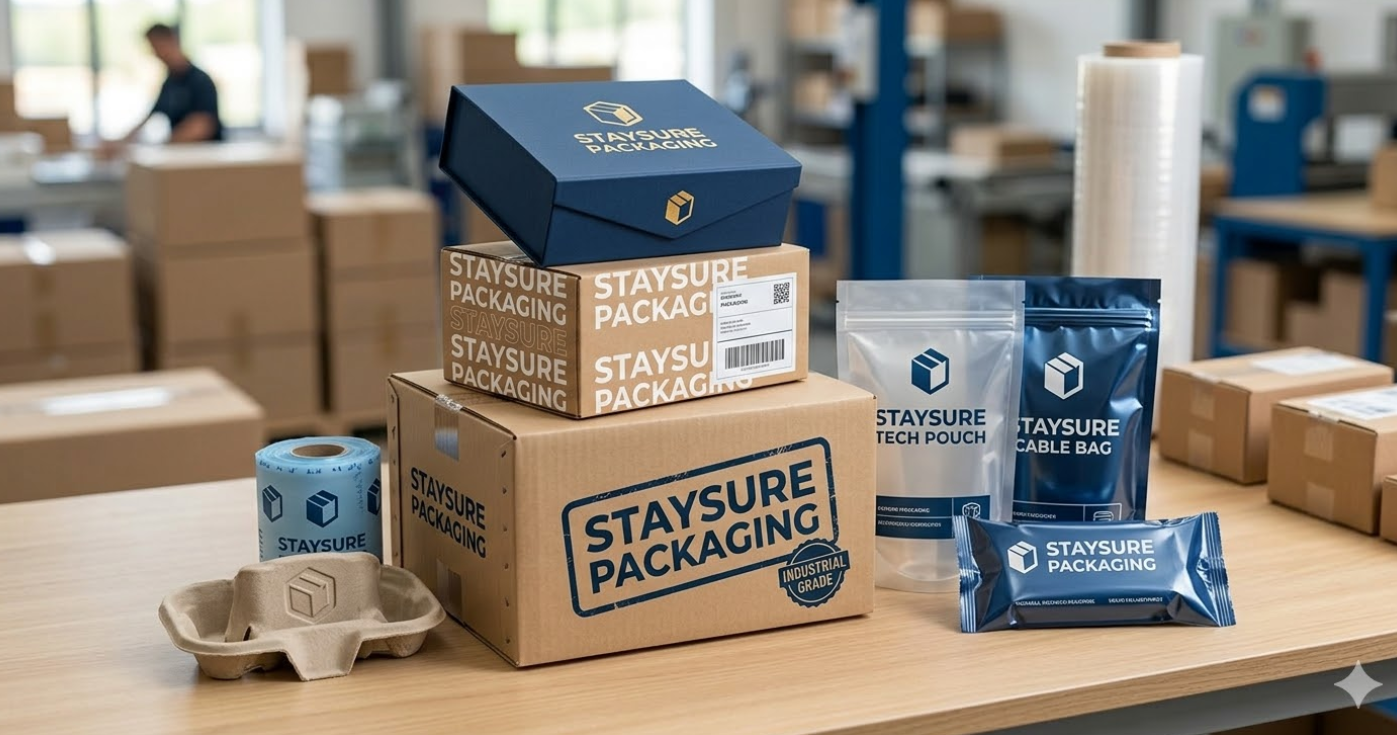
Table Of Content
- Why packaging matters for apparel brands
- Understanding the options
- What are custom apparel boxes
- What is standard packaging used in apparel
- Core factors to compare
- Cost implications and total cost of ownership
- Branding and perceived value
- Product protection and durability
- Customer unboxing experience
- Sustainability and material choices
- Production speed and lead times
- Inventory and storage considerations
- Returns and resale readiness
- When to choose custom apparel boxes
- Brand launches and product differentiation
- Premium or slow fashion items
- Merchant campaigns and seasonal pushes
- Wholesale and boutique partnerships
- When standard packaging may suffice
- High-volume basics and budget-friendly lines
- Quick turnaround and frequent restocks
- Minimalist branding strategies
- Reusability and recycling constraints
- Practical decision framework
- Step by step assessment checklist
- Rough cost versus benefit model
- Risk and compliance considerations
- Case studies or real world examples
- Example A: New clothing line with custom packaging
- Example B: Established brand using standard packaging
- Design and production considerations
- Material options and durability
- Finishes, inserts, and unboxing enhancements
- Sizing and fit for different product types
- Sustainability and compliance
- Recyclability and compostability
- Certifications and labeling requirements
- Measuring success
- Key performance indicators to track
- Post-purchase impact and repeat purchase influence
- FAQs
- How long does it take to switch to custom packaging?
- Can standard packaging be upgraded with branding elements?
- What is the typical ROI timeline?
- Conclusion
Packaging sets the tone for how customers perceive a clothing line. It frames quality before the first try-on. A sturdy, well-thought-out package can reduce returns and boost word-of-mouth praise. The right choice can also streamline operations and simplify wholesale partnerships.
Brands today juggle speed, cost, and message. Some lean into bold, custom packaging that tells a story. Others keep things simple with standard boxes that get products out the door fast. The decision affects not just the look, but protection, costs, and future growth.
Why packaging matters for apparel brands
Packaging is part of the product experience. It safeguards garments in transit and on shelves. It also broadcasts your brand voice through color, texture, and finish. A great box can feel like a small luxury and encourage unboxing shares. That social proof can lift brand awareness without extra ad spend.
When a customer opens a package, their first impression matters. Packaging should reflect the item inside and the story behind it. If the box communicates value, customers are more likely to keep the packaging for storage or gifting. Quiet brands get repeat buys when the presentation aligns with product quality.custom vs standard apparel packaging, personalized clothing boxes, custom packaging solutions
Understanding the options
What are custom apparel boxes
Custom apparel boxes are specifically sized and themed for a product line. They include logos, brand colors, and sometimes insert cards. Finishes range from matte to glossy, with options like embossing, foil, or soft-touch coatings. The result is a package that reads as curated and premium.
What is standard packaging used in apparel
Standard packaging uses generic boxes or mailers in common sizes. They emphasize cost and speed. Branding comes from labels, stickers, or minimal printing. For some brands, standard packaging suffices when the focus is on volume and rapid restocks.
Core factors to compare
Cost implications and total cost of ownership
Custom boxes often have higher upfront costs due to design, tooling, and minimums. But they can lower damages, returns, and resale friction. Over time, the savings from fewer broken items and stronger sell-through can balance the premium.
Branding and perceived value
Custom packaging delivers a cohesive brand message. It signals quality and care, which can lift perceived value. This helps when entering boutique stores or higher-end markets where packaging is part of the product story.
Product protection and durability
Custom boxes can be tailored to fit your garments snugly. That reduces movement and scuffing. Sturdier materials and interior supports keep items pristine from warehouse to customer door.
Customer unboxing experience
Unboxing is a small ritual customers remember. Thoughtful inserts, tissue, or a thank-you note can boost satisfaction and encourage social sharing. A great moment can turn a one-time buyer into a repeat customer.
Sustainability and material choices
Brands can pick recyclable or compostable materials without sacrificing strength. A clear sustainability story resonates with conscious shoppers. It also helps when communicating with retailers that care about packaging footprints.
Production speed and lead times
Standard packaging usually ships faster. Custom packaging adds steps: design, proofs, and production. Some suppliers offer faster turns, but it’s still a factor to plan around for launches.
Inventory and storage considerations
Custom packaging runs may require dedicated storage space and minimums. If shelves or warehouses are tight, this can impact restock speed. Standard packaging often sits in more general inventory pools.
Returns and resale readiness
Custom packaging can raise returns barriers, in a good way, by reinforcing product care expectations. It can also enhance resale value if items come with protective, gift-like packaging that remains appealing in resale channels.
When to choose custom apparel boxes
Brand launches and product differentiation
A new line benefits from packaging that tells its story at a glance. Custom boxes help carve out a distinct identity and stand out in crowded markets.
Premium or slow fashion items
For items designed to last and be cherished, packaging that reflects care enhances the overall value. It’s a natural fit for premium fabrics or limited runs.
Merchant campaigns and seasonal pushes
Seasonal themes, collaborations, or limited editions gain extra impact with tailored packaging. It makes campaigns feel intentional and collectible.
Wholesale and boutique partnerships
Retail partners often look for packaging that aligns with their own store aesthetic. Custom boxes provide a cohesive brand story across channels.
When standard packaging may suffice
High-volume basics and budget-friendly lines
For basics sold in large quantities, cost and speed matter most. Standard packaging helps keep unit costs low and restock cycles quick.
Quick turnaround and frequent restocks
If items move fast and replenishment is constant, standard packaging minimizes delays. It keeps shelves stocked without waiting for new runs.
Minimalist branding strategies
Not every line needs a big brand statement. Simple inks, clean lines, and muted finishes can still feel fresh without extra design work.
Reusability and recycling constraints
Some brands prefer packaging that’s easy to recycle in existing systems. Standard materials can simplify disposal for customers and retailers alike.
Practical decision framework
Step by step assessment checklist
Start with product value and target retailers. Map out expected volume, lead times, and storage space. Compare unit costs, damage rates, and branding needs. Build a quick decision matrix to guide the choice.
Rough cost versus benefit model
Estimate upfront design and tooling vs. long-term savings from lower damages and higher average order value. Look at break-even points across a 6–12 month window.
Risk and compliance considerations
Check labeling rules, packaging waste regulations, and certifications. Note any country-specific rules that apply to transit or returns.
Case studies or real world examples
Example A: New clothing line with custom packaging
A fresh label launched with a bold color story and embossed logo. Sales momentum grew as unboxing posts spread across social channels. The packaging helped justify a higher price point and increased wholesale interest.
Example B: Established brand using standard packaging
An existing line kept costs predictable with standard boxes. They layered in simple branding through tissue and a sticker. The steady restock cadence kept margins healthy while maintaining brand consistency.
Design and production considerations
Material options and durability
Paperboard grades range from uncoated to coated finishes. Consider stiffness, moisture resistance, and impact protection. The right combo keeps garments pristine from factory to doorstep.
Finishes, inserts, and unboxing enhancements
Foil accents, embossing, or inserts like care cards add value. Even a simple tissue wrap can elevate the experience. Small touches matter to repeat customers.
Sizing and fit for different product types
Boxes should cradle tees, hoodies, or accessories without waste. Accurate dimensions save space in packing and curb damage in transit.
Sustainability and compliance
Recyclability and compostability
Choose fiber-based materials that fit local recycling streams. Clear labeling helps customers dispose of packaging correctly.
Certifications and labeling requirements
Some markets require fiber origin or ink safety disclosures. Staying compliant avoids delays and penalties.
Measuring success
Key performance indicators to track
Look at damage rates, average order value, unboxing social shares, and return rates. Track packaging-related customer feedback to refine designs.
Post-purchase impact and repeat purchase influence
Packaging that delights can lift repeat purchases and referrals. A memorable unboxing moment often leads to higher customer lifetime value.
FAQs
How long does it take to switch to custom packaging?
Timing varies with design complexity and supplier capacity. Plan from 6 to 12 weeks for design, proofs, and production, plus any proofs required by retailers.
Can standard packaging be upgraded with branding elements?
Yes. You can add branded labels, tissue, stickers, or inserts to elevate the look without a full redesign. It’s a middle path between cost and impact.
What is the typical ROI timeline?
Expect to see benefits in 6 to 12 months through improved perceived value, lower damages, and stronger wholesale margins. Each brand’s results will vary with volume and market fit.
Conclusion
Choosing between custom and standard packaging hinges on brand goals, launch timing, and budget. A thoughtful approach balances protection, aesthetics, and costs. Start with a clear picture of your product, audience, and retail plans. Then pick the path that best supports growth and customer delight.


No Comment! Be the first one.