





How Intelligent Glass Technology Is Redefining the Future of Workspace and Office Design
Modern workplaces are undergoing a dramatic transformation driven by technology, sustainability goals, and evolving employee expectations. Among the most impactful innovations shaping this change is...

Table Of Content
- Understanding Intelligent Glass Technology in Modern Architecture
- Enhancing Privacy Without Compromising Open Design
- Improving Natural Light and Employee Well-Being
- Enhancing Energy Efficiency and Sustainable Design
- Transforming Meeting Rooms and Collaborative Spaces
- Redefining Office Aesthetics and Architectural Freedom
- Supporting Hybrid Work and Flexible Office Models
- Enhancing Acoustic Comfort and Focus
- Integration with Smart Building Systems
- Challenges and Considerations in Implementation
- The Future of Workspace Design with Intelligent Glass
- Conclusion
Modern workplaces are undergoing a dramatic transformation driven by technology, sustainability goals, and evolving employee expectations. Among the most impactful innovations shaping this change is intelligent glass technology. Once considered a luxury feature reserved for high-end architecture, smart glass has now become a practical and strategic design solution for offices aiming to improve productivity, privacy, energy efficiency, and aesthetic appeal.
As organizations move toward flexible work models and experience-driven environments, intelligent glass is playing a central role in redefining how office spaces are designed and utilized. It is no longer just about walls and partitions but about dynamic environments that adapt in real time to user needs.
This article explores how intelligent glass technology is reshaping workspace design, its key benefits, applications, and its role in the future of office environments.
Understanding Intelligent Glass Technology in Modern Architecture
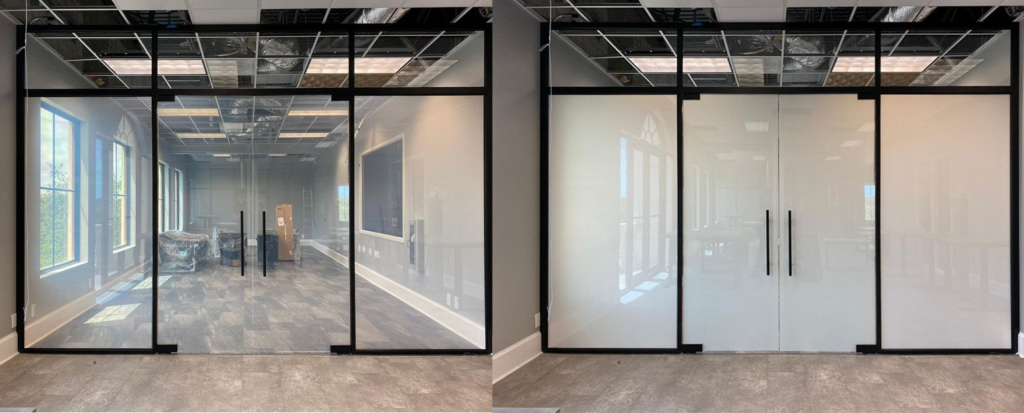
Intelligent glass, often called smart glass, is a technologically enhanced glazing solution that can change its properties in response to external controls, such as electrical signals, light, or temperature. The most widely used version in office environments is switchable glass, which can transition from transparent to opaque with a simple command.
This transformation is enabled by technologies such as electrochromic systems, polymer-dispersed liquid crystals, and suspended particle devices. Each system works differently, but the primary goal remains the same: to dynamically control light, visibility, and heat transmission.
In office design, intelligent glass is used in windows, partitions, meeting rooms, façades, and even digital display integrations, making it a multifunctional architectural element rather than just a building material.
NOTE:- The luxury residential project had been upgraded when a reputed Smart Glass Supplier in Dubai supplied advanced switchable glass systems. These installations improved comfort, insulation, and visual appeal across interiors. The technology was well received by homeowners. For similar innovative solutions, contact Paramount Industry for professional assistance.
Enhancing Privacy Without Compromising Open Design
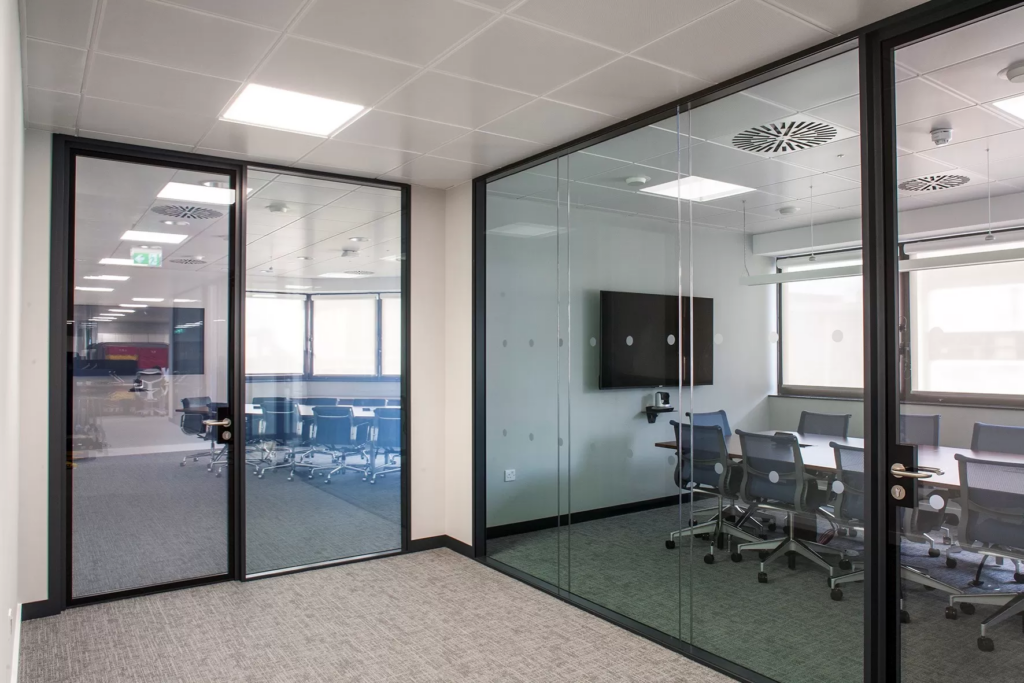
One of the most significant challenges in modern office design is balancing openness with privacy. Open-plan layouts encourage collaboration but often struggle to provide quiet or confidential spaces when needed. Intelligent glass solves this challenge seamlessly.
With switchable glass partitions, meeting rooms can instantly shift from transparent collaboration spaces to private discussion rooms. This eliminates the need for heavy curtains, blinds, or permanent walls that restrict flexibility.
Employees benefit from visual openness when needed, while also being able to create enclosed environments for meetings, HR discussions, or focused work. This adaptability enhances workflow efficiency and reduces design limitations in office planning.
Improving Natural Light and Employee Well-Being
Natural light plays a crucial role in employee productivity, mood, and overall well-being. Traditional office partitions often block sunlight, creating darker and less inviting workspaces. Intelligent glass helps solve this issue by maximizing daylight distribution throughout the office.
When in a transparent state, smart glass allows natural light to penetrate deeper into interior spaces, reducing dependency on artificial lighting. This creates a more vibrant and energetic environment that supports mental clarity and reduces eye strain.
Research in workplace psychology consistently shows that exposure to natural light improves sleep patterns, reduces fatigue, and increases job satisfaction. Intelligent glass ensures these benefits are not sacrificed for privacy or spatial division.
Enhancing Energy Efficiency and Sustainable Design
Energy efficiency is a key priority in modern office construction, especially as companies aim to reduce operational costs and meet sustainability goals. Intelligent glass contributes significantly to energy savings by regulating heat and light transmission.
In hot climates, smart glass can reduce solar heat gain, minimizing the need for excessive air conditioning. In colder environments, it can help retain indoor heat, improving thermal insulation.
By reducing reliance on artificial lighting and HVAC systems, intelligent glass directly lowers energy consumption. Over time, this reduces carbon footprints and supports green building certifications.
Architects and developers increasingly consider smart glass as part of sustainable design strategies, especially in commercial buildings where energy use is typically high.
Transforming Meeting Rooms and Collaborative Spaces
Meeting rooms are no longer static enclosed boxes. Intelligent glass enables them to become dynamic spaces that adapt to function and context.
For example, a meeting room can remain transparent during informal brainstorming sessions to promote openness and collaboration. At the touch of a button, it can become opaque for confidential presentations or client discussions.
Some advanced systems also integrate projection capabilities, turning glass surfaces into digital screens for presentations and data visualization. This eliminates the need for additional display equipment and enhances the versatility of meeting spaces.
This flexibility is particularly valuable in modern organizations that prioritize hybrid work models and multifunctional environments.
Redefining Office Aesthetics and Architectural Freedom
Beyond functionality, intelligent glass significantly influences the visual identity of office spaces. Its sleek, minimalist appearance aligns with contemporary architectural trends that emphasize clean lines and open environments.
Designers are increasingly using glass as a central design element rather than a supporting material. Entire office layouts are now built around transparent partitions, floating meeting rooms, and glass façades that create a sense of openness and sophistication.
Intelligent glass also eliminates the need for bulky blinds, curtains, or traditional partitions, resulting in more streamlined and modern interiors. This enhances brand perception, especially for companies that want to project innovation and forward-thinking values.
Supporting Hybrid Work and Flexible Office Models
The rise of hybrid work has fundamentally changed how office spaces are used. Employees no longer occupy desks full-time, and office layouts must adapt to fluctuating occupancy and diverse working styles.
Intelligent glass supports this flexibility by enabling spaces to be reconfigured quickly. A single area can serve as a collaborative zone in the morning, a private meeting room in the afternoon, and an open event space in the evening.
This adaptability ensures that office real estate is used more efficiently. Instead of fixed-purpose rooms, organizations can create multi-functional environments that respond to real-time needs.
As businesses continue to adopt hybrid models, intelligent glass will become increasingly important in optimizing workspace utilization.
Enhancing Acoustic Comfort and Focus
While glass is traditionally associated with sound transmission, modern intelligent glass systems can be integrated with acoustic technologies to improve sound insulation. This is especially important in open office environments where noise distractions can affect productivity.
When combined with specialized framing and sealing systems, smart glass partitions help create quiet zones without visually isolating employees. This balance between transparency and acoustic control enhances concentration while maintaining a connected workspace feel.
In corporate environments where confidentiality and focus are equally important, this dual benefit becomes a key advantage.
Integration with Smart Building Systems
Intelligent glass is not a standalone innovation; it is increasingly part of broader smart building ecosystems. It can be integrated with automated lighting systems, climate control, motion sensors, and AI-based building management platforms.
For example, glass opacity can automatically adjust based on sunlight intensity or occupancy levels. In conference rooms, it can sync with scheduling systems to prepare environments before meetings begin.
This level of automation creates highly responsive office environments that optimize comfort, energy usage, and operational efficiency without manual intervention.
As smart buildings become more common, intelligent glass will play a central role in creating interconnected, responsive infrastructure.
Challenges and Considerations in Implementation
Despite its advantages, intelligent glass technology does come with certain considerations. Initial installation costs can be higher than those for traditional glass solutions, which may influence budgeting decisions for some organizations.
Additionally, integration requires careful planning to ensure compatibility with existing electrical systems and building designs. Maintenance and technical support also play a role in long-term performance.
However, as the technology becomes more widely adopted, costs are gradually decreasing, and system reliability is improving. Many organizations view it as a long-term investment that delivers returns through energy savings, space efficiency, and enhanced workplace experience.
The Future of Workspace Design with Intelligent Glass
The future of office design is moving toward environments that are adaptive, sustainable, and human-centered. Intelligent glass is at the heart of this transformation, enabling spaces that respond dynamically to user needs.
In the coming years, we can expect even more advanced innovations, such as AI-controlled transparency, gesture-based control systems, and fully integrated digital glass surfaces that combine communication, display, and environmental control into a single medium.
Workspaces will no longer be static structures but living environments that evolve throughout the day. Intelligent glass will help bridge the gap between physical architecture and digital intelligence, creating offices that are not only functional but also intelligent in design and behavior.
Conclusion
Intelligent glass technology is redefining the future of workspace and office design by combining aesthetics, functionality, and sustainability in a single solution. It enhances privacy without sacrificing openness, improves energy efficiency, supports employee well-being, and enables highly flexible environments suited for modern work models.
As businesses continue to evolve, the demand for adaptable and intelligent office spaces will only grow. Intelligent glass stands at the forefront of this shift, shaping workplaces that are smarter, more efficient, and more responsive to human needs than ever before.
For more insightful articles related to this topic, feel free to visit – ecomotion



No Comment! Be the first one.