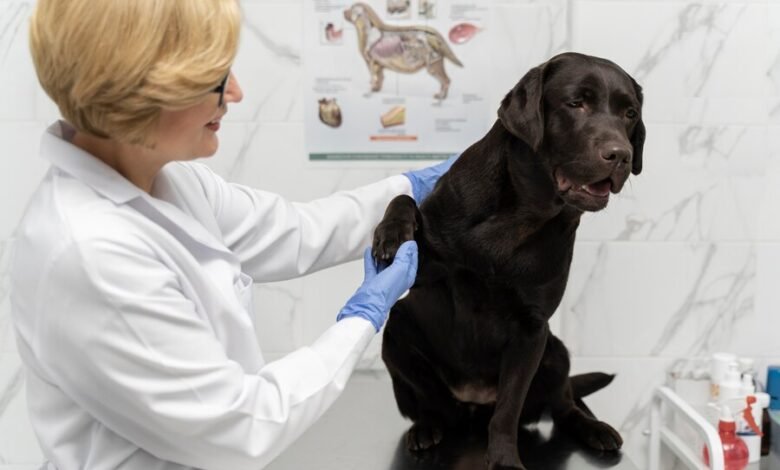
Fenbendazole 1000Mg is a broad-spectrum antiparasitic medication commonly used in veterinary medicine to treat a variety of internal parasites. It belongs to the benzimidazole class of dewormers and is widely prescribed for dogs, cats, livestock, horses, and several other animal species. While Fenbendazole has earned a reputation for being safe and effective, an important question remains: Is Fenbendazole 1000Mg safe for all animals? The answer depends on the animal species, age, health condition, and proper dosage.
What Is Fenbendazole 1000Mg?
Fenbendazole works by disrupting the energy metabolism of parasites, preventing them from absorbing nutrients and causing them to die. It is effective against many intestinal worms, including roundworms, hookworms, whipworms, certain tapeworms, and some protozoan parasites such as Giardia.
The 1000Mg strength is generally intended for larger animals or situations where higher doses are required. Because dosing is based on body weight, the suitability of a 1000Mg tablet varies significantly between species and individual animals. Buy Fenbendazole 1000 Mg Online at top pharmacy Medzsupplier.
Safety in Dogs
Fenbendazole is considered one of the safest deworming medications for dogs. Veterinarians commonly prescribe it to treat various intestinal parasites in puppies and adult dogs. When administered at the recommended dosage, side effects are usually minimal.
Dogs may occasionally experience:
Mild vomiting
Diarrhea
Temporary loss of appetite
Lethargy
These reactions are often related to the dying parasites rather than the medication itself. Fenbendazole is also frequently used in pregnant dogs under veterinary supervision because of its favorable safety profile.
Safety in Cats
Fenbendazole is often used off-label in cats to treat certain intestinal parasites and Giardia infections. Most cats tolerate the medication well when the correct dose is given. However, because cats are generally smaller than dogs, administering a 1000Mg tablet without proper dose adjustment can lead to overdosing.
Pet owners should always consult a veterinarian before giving Fenbendazole to cats and ensure the medication is accurately measured according to body weight.
Safety in Horses
Fenbendazole is widely used in horses for controlling gastrointestinal worms. It is considered safe for foals, adult horses, breeding mares, and senior horses when used according to veterinary recommendations.
Horses typically tolerate the medication very well, and adverse reactions are uncommon. However, proper dosing is essential to ensure both safety and effectiveness against parasites.
Safety in Livestock
Cattle, sheep, goats, and other farm animals are commonly treated with Fenbendazole. The medication has been extensively used in livestock management programs to control parasitic infections that can affect growth, productivity, and overall health.
For these animals, Fenbendazole is generally safe when administered according to approved veterinary guidelines. Farmers should follow species-specific dosing instructions and observe any recommended withdrawal periods for meat or milk production.
Is It Safe for Exotic Animals?
Fenbendazole is sometimes used in rabbits, reptiles, birds, and other exotic pets. However, safety varies considerably among species. Some exotic animals metabolize medications differently, making dosage calculations more complex.
For example, rabbits often tolerate Fenbendazole well when treating certain parasitic infections. In contrast, some bird and reptile species may require highly specialized dosing schedules. Therefore, Fenbendazole should only be used in exotic animals under veterinary guidance.
Animals That May Require Extra Caution
Although Fenbendazole has a wide safety margin, certain animals require additional care:
Very young animals
Elderly animals
Animals with severe liver disease
Debilitated or malnourished animals
Animals receiving multiple medications
Veterinarians may adjust the dosage or monitor these animals more closely during treatment.
Potential Side Effects
Most side effects associated with Fenbendazole are mild and temporary. Possible adverse reactions include:
Vomiting
Diarrhea
Excessive salivation
Reduced appetite
Mild lethargy
Severe reactions are rare but may occur if an animal receives an excessive dose or has an unusual sensitivity to the medication.
Why Proper Dosing Matters
The biggest safety concern with Fenbendazole 1000Mg is not the drug itself but incorrect dosing. A 1000Mg tablet may be appropriate for a large dog, horse, or livestock animal but could be excessive for a small pet. Giving too much medication can increase the risk of side effects and may not provide additional benefits.
Always calculate the dosage based on the animal’s body weight and follow veterinary instructions carefully.
Conclusion
Fenbendazole 1000Mg is considered a safe and effective deworming medication for many animal species, including dogs, cats, horses, and livestock. However, it is not automatically safe for every animal in every situation. Species differences, body weight, age, health status, and correct dosing all play important roles in ensuring safe treatment. Before administering Fenbendazole 1000Mg, it is always best to consult a veterinarian who can determine the appropriate dosage and treatment plan for the specific animal.