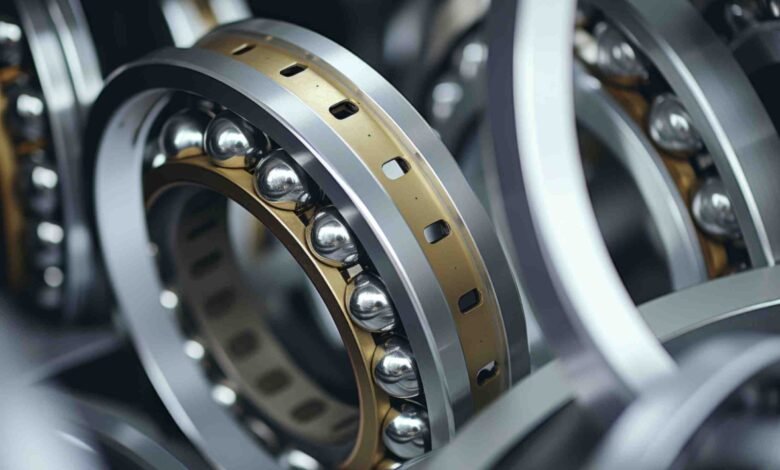
Choosing the right thrust bearing is an important step in achieving smooth operation, reliable performance, and long service life in machinery. These components are designed to support axial loads and help rotating parts function efficiently under pressure. When the correct bearing is selected, equipment can operate with greater stability, improved productivity, and reduced maintenance requirements. Because bearings are used in a wide range of industrial and mechanical applications, understanding the key selection factors can help ensure optimal results and long-term value.
Understanding the Role of Thrust Bearings
Thrust bearings are specialized bearings designed to handle forces that act parallel to the shaft. Unlike radial bearings, which support loads perpendicular to the shaft, thrust bearings are specifically engineered to manage axial loads. Their ability to distribute force effectively makes them valuable in many types of machinery, including pumps, turbines, gear systems, machine tools, and industrial equipment.
A properly selected thrust bearing contributes to smoother movement, better load distribution, improved efficiency, and enhanced equipment reliability. Since every application has unique operating conditions, evaluating important selection criteria can help identify the most suitable option.
Load Capacity Requirements
One of the most important considerations is the load that the bearing will need to support. Every application generates a specific amount of axial force, and the bearing should be capable of handling that load comfortably.
Selecting a bearing with appropriate load capacity offers several advantages:
Improved Equipment Reliability
A bearing designed for the expected load can maintain stable performance over an extended period. This contributes to dependable machine operation and minimizes interruptions.
Longer Service Life
When the load is distributed properly, the bearing experiences less stress, allowing it to function effectively for a longer time.
Enhanced Operational Efficiency
Adequate load support helps maintain smooth rotation and consistent performance throughout the operating cycle.
Operating Speed Considerations
Different machinery operates at different speeds. Some applications involve moderate rotational speeds, while others require high-speed performance. The selected bearing should be compatible with the intended operating speed.
Smooth Performance at High Speeds
Bearings designed for higher rotational speeds can reduce friction and support efficient operation.
Better Heat Management
Proper speed compatibility helps maintain stable operating temperatures and contributes to overall system efficiency.
Consistent Results
Matching the bearing to the required speed helps maintain precision and reliability during continuous operation.
Material Quality
The material used in a thrust bearing plays a major role in its performance and durability. High-quality materials offer numerous benefits and contribute to dependable operation.
Excellent Strength
Durable materials provide the structural integrity needed to handle demanding applications.
Improved Wear Resistance
Quality materials help the bearing maintain its performance characteristics over time.
Extended Operational Life
Strong and reliable materials support long-term use and help maximize equipment productivity.
Lubrication Requirements
Lubrication is essential for maintaining smooth movement and reducing friction between bearing components. Understanding lubrication requirements can help improve overall performance.
Reduced Friction
Proper lubrication allows bearing surfaces to move smoothly against one another.
Enhanced Efficiency
Efficient lubrication supports energy-saving operation and helps machinery perform at its best.
Long-Term Reliability
A suitable lubrication approach helps maintain stable performance and contributes to consistent results.
Application Environment
The environment in which the bearing operates should always be considered during selection. Different industries and machines present unique operating conditions.
Clean Operating Conditions
In controlled environments, bearings can achieve excellent performance and long service life.
Temperature Compatibility
Selecting a bearing suitable for the expected temperature range helps maintain stable operation.
Consistent Performance
Choosing a bearing that matches environmental conditions helps ensure dependable functionality across different applications.
Bearing Design Type
Several thrust bearing designs are available, each offering specific advantages. Understanding design characteristics can help identify the best solution.
Ball Thrust Bearings
These bearings are commonly used for applications requiring smooth operation and efficient handling of axial loads.
Benefits include:
- Low friction
- Smooth movement
- Reliable performance
- Efficient operation
Roller Thrust Bearings
Roller-based designs are often selected for applications that require higher load capacity.
Advantages include:
- Greater load support
- Enhanced stability
- Strong performance under demanding conditions
- Long service life
Specialized Designs
Certain applications may benefit from custom or application-specific bearing designs that provide optimized performance and efficiency.
Precision Requirements
Many industrial systems rely on precise movement and positioning. Bearing accuracy can significantly influence overall equipment performance.
Improved Operational Accuracy
Precision bearings support consistent and predictable movement.
Enhanced Product Quality
Accurate machine performance often contributes to better manufacturing outcomes.
Greater System Stability
High-precision bearings help maintain alignment and support smooth operation.
Maintenance Considerations
Selecting a bearing that aligns with maintenance goals can provide long-term advantages.
Easy Servicing
Bearings designed for convenient maintenance can simplify routine inspections and servicing activities.
Improved Equipment Availability
Efficient maintenance procedures help keep machinery operating productively.
Long-Term Cost Benefits
Reliable bearings often contribute to lower overall maintenance requirements and improved operational value.
Energy Efficiency
Energy efficiency is becoming increasingly important across many industries. The right bearing can contribute to improved energy performance.
Reduced Power Consumption
Efficient bearing operation can help minimize energy losses caused by friction.
Smoother Mechanical Movement
Optimized designs support seamless motion and efficient force transmission.
Better Overall Productivity
Energy-efficient operation often contributes to improved equipment performance and operational effectiveness.
Compatibility with Existing Equipment
When replacing or upgrading a bearing, compatibility should be carefully evaluated.
Proper Fit
A correctly sized bearing helps ensure smooth installation and reliable operation.
Optimal Performance
Compatibility with existing components supports consistent system functionality.
Improved Equipment Longevity
A well-matched bearing helps maintain the integrity of surrounding components and contributes to long-term performance.
Durability and Service Life
Long service life is one of the most desirable characteristics when selecting a bearing. Durable bearings provide numerous operational advantages.
Reliable Continuous Operation
Strong bearing construction supports dependable performance during extended use.
Reduced Downtime
Long-lasting components help maintain productivity and operational efficiency.
Greater Return on Investment
A durable bearing can provide long-term value through consistent performance and extended operational life.
Quality Standards and Manufacturing Excellence
Evaluating manufacturing quality is another important factor during the selection process. Bearings produced according to recognized quality standards often deliver superior results.
Consistent Performance
High manufacturing standards help ensure uniform product quality and reliable operation.
Enhanced Reliability
Precision manufacturing contributes to dependable performance under various operating conditions.
Confidence in Performance
Quality-focused production processes help deliver products that meet demanding application requirements.
Future Operational Needs
When selecting a thrust bearing, it can be beneficial to consider future operating requirements as well as current needs.
Scalability
Choosing a bearing with additional performance capacity may support future equipment upgrades.
Operational Flexibility
A versatile bearing design can accommodate changing workloads and evolving production demands.
Long-Term Planning
Considering future requirements can help maximize value and support sustainable equipment performance.
Performance Optimization
The best bearing selection process focuses on achieving optimal performance across all operating conditions.
Important areas to evaluate include:
- Load handling capability
- Rotational speed requirements
- Material quality
- Lubrication needs
- Environmental conditions
- Precision requirements
- Maintenance objectives
- Energy efficiency
- Equipment compatibility
- Durability expectations
When these factors are carefully reviewed, the resulting bearing choice can deliver excellent performance, reliability, and efficiency.
Final Thought
Selecting the right bearing involves understanding application requirements and focusing on factors that contribute to smooth, reliable, and efficient operation. Load capacity, speed capability, material quality, lubrication, precision, durability, and environmental compatibility all play important roles in achieving the best results. By carefully evaluating these considerations and working with experienced thrust bearing manufacturers, businesses can improve equipment performance, increase operational efficiency, and support long-term productivity with confidence.