What Are Spot Lights and How Can They Enhance Commercial Lighting Design?

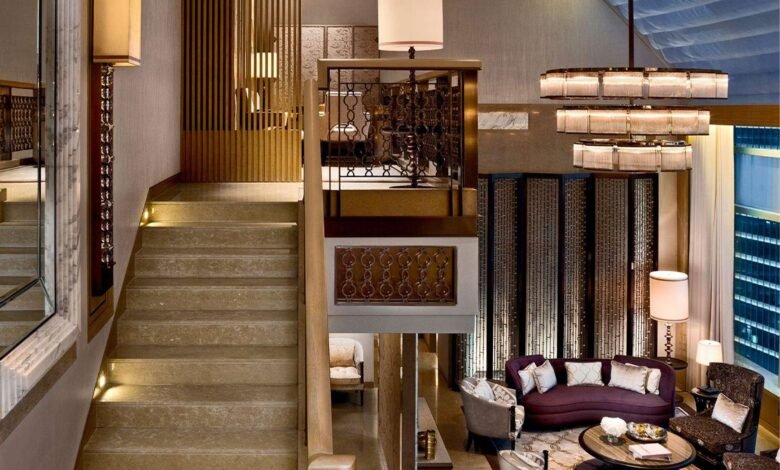
Lighting plays a critical role in shaping the appearance, functionality, and atmosphere of commercial spaces. Whether it is a retail store, office, restaurant, hotel, showroom, or exhibition center, the right lighting can significantly impact customer experience and employee productivity. Among the many lighting solutions available today, spot lights have become one of the most versatile and effective options for highlighting specific areas and creating visually appealing environments.
In modern commercial lighting design, spotlights are widely used to draw attention to products, architectural features, artwork, signage, and important focal points. Their flexibility, precision, and aesthetic appeal make them a valuable component of both interior and exterior lighting plans.
This article explores what spotlights are, how they work, their advantages, and the many ways they can enhance commercial environments.
Understanding Spot Lights
Spotlights are lighting fixtures designed to direct a concentrated beam of light toward a specific area or object. Unlike general lighting fixtures that spread light across a broad space, spotlights focus illumination on a targeted location.
The primary purpose of a spotlight is to emphasize particular features within a space. This focused illumination helps create visual interest while improving visibility where it is needed most.
Spotlights are available in various styles, including:
- Recessed spotlights
- Surface-mounted spotlights
- Track-mounted spotlights
- Adjustable spotlights
- Outdoor spotlights
- LED spotlights
Most modern spotlight systems allow users to adjust the direction of the light beam, making them highly adaptable to changing layouts and design requirements.
How Spot Lights Work
Spotlights use reflectors and lenses to concentrate light into a narrow beam. The beam angle determines how wide or narrow the light spread will be.
Common beam angles include:
Narrow Beam
A narrow beam focuses light on a small area, making it ideal for highlighting products, artwork, or architectural details.
Medium Beam
Medium beams provide a balance between focused lighting and broader coverage, making them suitable for display shelves and feature walls.
Wide Beam
Wide beams cover larger areas while still maintaining directional lighting characteristics.
The ability to choose different beam angles gives designers greater control over the lighting effect and overall visual experience.
The Importance of Commercial Lighting Design
Effective lighting design goes beyond simply illuminating a space. It contributes to functionality, branding, customer engagement, and overall aesthetics.
A well-designed lighting system can:
- Improve visibility
- Enhance customer experiences
- Increase employee comfort
- Highlight products and services
- Support brand identity
- Create inviting environments
- Improve safety and security
As businesses increasingly focus on creating memorable customer experiences, lighting has become a strategic design element rather than a purely functional necessity.
Why Spot Lights Are Popular in Commercial Spaces
Spotlights have become a preferred choice for commercial applications because of their versatility and effectiveness.
Precise Illumination
One of the greatest advantages of spotlights is their ability to direct light exactly where it is needed. This precision reduces wasted light and improves visual impact.
Enhanced Visual Appeal
Focused lighting creates contrast and depth, helping commercial spaces appear more sophisticated and attractive.
Flexibility
Many spotlight systems can be adjusted or repositioned to accommodate changing displays, layouts, and business needs.
Energy Efficiency
Modern LED spotlights consume significantly less energy than traditional lighting systems while delivering excellent brightness and performance.
Long Lifespan
LED spotlight technology offers extended operational life, reducing maintenance costs and replacement frequency.
Applications of Spot Lights in Commercial Lighting Design
There are numerous ways spotlights can be integrated into commercial environments.
Retail Stores
Retail businesses use spotlights to draw attention to featured products and promotional displays.
Benefits include:
- Increased product visibility
- Enhanced display presentation
- Improved customer engagement
- Better store aesthetics
Strategically positioned lighting can influence purchasing decisions by making products appear more attractive and desirable.
Showrooms
Showrooms rely heavily on visual presentation. Spotlights help create dramatic effects that showcase products in the best possible way.
They are commonly used in:
- Automotive showrooms
- Furniture galleries
- Electronics stores
- Fashion boutiques
Focused lighting allows customers to appreciate details, textures, and colors more accurately.
Restaurants and Cafés
Hospitality venues often use spotlighting to create warm and inviting atmospheres.
Applications include:
- Illuminating dining tables
- Highlighting decorative features
- Enhancing artwork
- Creating mood lighting
Different lighting intensities can be used to establish specific dining experiences and ambiance.
Hotels
Hotels use spotlighting throughout their properties to improve guest experiences.
Common areas include:
- Reception desks
- Lobbies
- Hallways
- Guest rooms
- Conference facilities
Well-designed spotlight installations contribute to luxury, comfort, and elegance.
Offices
Modern workplaces benefit from targeted lighting solutions that support productivity and aesthetics.
Spotlights can be used to:
- Highlight reception areas
- Illuminate meeting spaces
- Enhance architectural elements
- Improve workspace visibility
A balanced lighting design helps create a professional and welcoming environment.
Museums and Galleries
Museums and galleries require careful lighting control to showcase exhibits effectively.
Spotlights help:
- Direct attention to exhibits
- Enhance artwork visibility
- Create dramatic visual effects
- Protect sensitive displays through controlled illumination
Their precision makes them ideal for preserving and presenting valuable collections.
The Role of Spot Lights in Visual Merchandising
Visual merchandising is an essential aspect of retail success. Lighting significantly influences how products are perceived by customers.
Spotlights support visual merchandising by:
Creating Focal Points
Customers naturally look toward brighter areas. Spotlighting helps direct attention toward key products and promotional displays.
Enhancing Product Features
Focused lighting reveals textures, colors, and details that may otherwise go unnoticed.
Establishing Hierarchy
Lighting can guide customers through a space by emphasizing priority areas and important merchandise.
Supporting Brand Identity
Different lighting styles contribute to unique brand experiences and customer perceptions.
Choosing the Right Spot Lights
Selecting the appropriate spotlight depends on several factors.
Beam Angle
Different applications require different beam widths.
Consider:
- Narrow beams for artwork
- Medium beams for displays
- Wide beams for larger areas
Color Temperature
Color temperature affects the atmosphere of a space.
Common options include:
Warm White
Creates comfortable and inviting environments.
Neutral White
Offers balanced illumination suitable for offices and retail spaces.
Cool White
Provides bright and energetic lighting often used in commercial settings.
Brightness Level
Brightness should match the intended purpose of the illuminated area without causing glare or discomfort.
Adjustability
Adjustable fixtures offer greater flexibility and can adapt to changing commercial requirements.
Integrating Spot Lights with Other Lighting Layers
Successful lighting design usually combines multiple lighting layers.
Ambient Lighting
Provides overall illumination for the entire space.
Task Lighting
Supports specific activities such as reading, working, or product examination.
Accent Lighting
Highlights features and creates visual interest.
Spotlights are most commonly used as accent lighting, complementing ambient and task lighting systems.
This layered approach ensures a balanced, comfortable, and visually engaging environment.
Energy Efficiency Benefits
Businesses increasingly prioritize sustainability and cost savings. Modern spotlight systems contribute significantly to both goals.
Advantages include:
- Reduced electricity consumption
- Lower operational costs
- Longer fixture lifespan
- Reduced maintenance requirements
- Lower environmental impact
LED spotlight technology has transformed commercial lighting by providing superior efficiency without sacrificing performance.
Enhancing Exterior Commercial Spaces
Spotlights are not limited to indoor applications. Exterior commercial environments also benefit from focused lighting solutions.
Common outdoor uses include:
Building Facades
Spotlights emphasize architectural details and create impressive nighttime appearances.
Landscape Features
Trees, gardens, sculptures, and pathways can be highlighted to improve aesthetics and safety.
Signage Illumination
Well-lit signage increases visibility and brand recognition.
Parking Areas
Focused lighting improves security while maintaining efficient energy usage.
Outdoor spotlighting helps businesses create attractive and professional impressions after dark.
Common Design Tips for Using Spot Lights
To achieve the best results, designers often follow several key principles.
Avoid Overlighting
Too many spotlights can create visual clutter and discomfort.
Focus on Important Features
Use spotlighting selectively to emphasize key elements.
Balance Light Levels
Ensure that spotlighted areas integrate smoothly with surrounding lighting.
Consider Viewing Angles
Position fixtures carefully to minimize glare and maximize effectiveness.
Use Adjustable Fixtures
Flexible fixtures make future updates easier and more cost-effective.
Future Trends in Spotlight Technology
Lighting technology continues to evolve rapidly.
Emerging trends include:
Smart Lighting Systems
Smart controls allow users to adjust brightness, color temperature, and schedules remotely.
Human-Centric Lighting
Advanced systems support comfort and well-being by adapting to natural daily rhythms.
Connected Building Integration
Lighting systems increasingly interact with security, automation, and energy management platforms.
Enhanced Energy Performance
Future spotlight technologies will continue delivering greater efficiency and sustainability.
These innovations are helping businesses create smarter and more responsive environments.
Final Thoughts
Spotlights have become an essential component of modern commercial lighting strategies. Their ability to provide focused illumination, enhance visual appeal, and improve customer experiences makes them a valuable solution for a wide range of industries. From retail stores and restaurants to offices, hotels, and exhibition spaces, carefully planned spotlight installations can transform ordinary environments into engaging and memorable destinations.
As technology continues to advance, spotlight systems are becoming even more efficient, flexible, and intelligent. Businesses that invest in thoughtful lighting design can benefit from improved aesthetics, stronger brand presentation, enhanced functionality, and long-term energy savings. By incorporating spot lights effectively into a comprehensive commercial lighting plan, organizations can create spaces that are both visually impressive and highly practical.