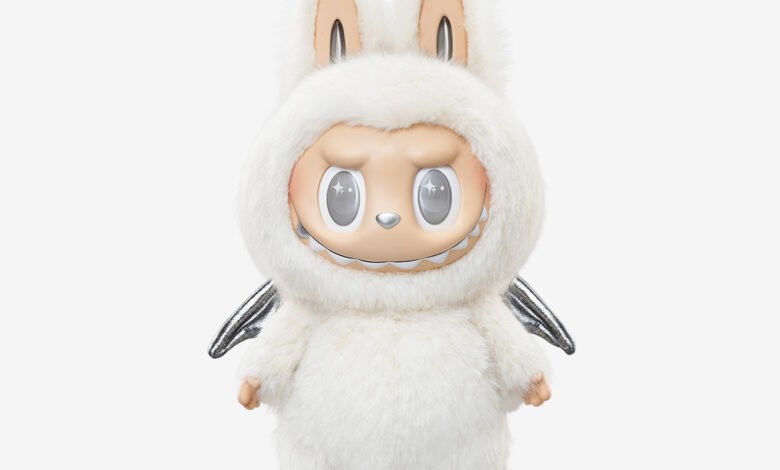
Labubu is one of those rare modern collectible figures that feels like it stepped out of a half-remembered dream rather than a design studio. Created by artist Kasing Lung and popularized through Pop Mart’s blind box culture, Labubu has become more than just a toy—it is a cultural symbol of playful chaos, emotional expression, and the growing global fascination with designer collectibles. At first glance, Labubu looks mischievous, even slightly unsettling, with its sharp teeth, wide eyes, and whimsical posture. But that contradiction is exactly what makes it so unforgettable.
In a world full of polished, predictable character designs, Labubu thrives on imperfection and emotional ambiguity. It does not try to be traditionally cute or conventionally beautiful. Instead, it invites curiosity. People don’t just “like” Labubu; they interpret it, collect it, and often project their own moods onto it. That emotional flexibility is one of the reasons it has grown from a niche art toy into a global phenomenon.
The Origin Story: Where Labubu Comes From
Labubu was born from the imagination of Kasing Lung, an artist known for blending European fairy-tale aesthetics with darker, surreal undertones. Before Labubu became a collectible figure, it existed in illustrated storybooks filled with strange forest creatures and dreamlike environments. These early works already hinted at the duality that Labubu now represents: innocence mixed with mischief, and comfort blended with unease.
When Pop Mart, a Chinese designer toy company, collaborated with Kasing Lung, Labubu transitioned from illustration into physical form. This shift was crucial. The character was no longer just something to observe on paper—it became something to hold, display, and collect. Through blind box distribution, where buyers don’t know which version they will get until they open the package, Labubu gained an additional layer of excitement and unpredictability.
This combination of artistic storytelling and strategic collectible design turned Labubu into a global icon in the designer toy world.
Design Philosophy: Why Labubu Looks the Way It Does
One of the most fascinating aspects of Labubu is its deliberately unconventional design. It does not conform to the “cute mascot” formula seen in many mainstream characters. Instead, Labubu embraces asymmetry, exaggerated facial features, and a slightly chaotic expression that feels alive rather than static.
The sharp teeth, for example, are not meant to make Labubu scary in a traditional sense. Instead, they give the character personality—almost like a mischievous grin frozen in time. The oversized eyes suggest curiosity and emotional depth, as if Labubu is constantly observing the world with both wonder and suspicion. Even its posture and body language often reflect movement, like it is about to jump out of its pose at any moment.
This design philosophy aligns with a broader trend in contemporary art toys: emotional realism over visual perfection. Labubu feels expressive in a way that polished, symmetrical characters often do not. It captures the messy, unpredictable nature of human emotion in a simplified but powerful form.
The Role of Blind Boxes in Labubu’s Popularity
A major reason for Labubu’s explosive popularity is its connection to the blind box system. In this model, buyers purchase a sealed box without knowing which specific variant they will receive. This introduces chance, surprise, and even a sense of gambling-like anticipation into the collecting experience.
Labubu figures are often released in themed series, each featuring different costumes, expressions, or seasonal designs. Some versions are common, while others are rare “secret” editions that are significantly harder to find. This rarity system creates a strong collector culture around Labubu, where trading, reselling, and showcasing collections becomes part of the experience.
But beyond economics, the blind box system also enhances emotional engagement. Opening a Labubu box feels like a small event. It is not just about acquiring an object, but about experiencing suspense and discovery. That emotional spike is a key reason why collectors keep returning.
Cultural Impact: From Niche Toy to Global Trend
Labubu’s rise reflects a broader shift in how people engage with art and consumer culture. Once, collectibles were mostly associated with traditional franchises or children’s entertainment. Today, characters like Labubu exist at the intersection of art, fashion, and emotional storytelling.
Social media has played a huge role in this transformation. Platforms like Instagram, TikTok, and Xiaohongshu have turned Labubu into a visual icon. Collectors showcase their figures in carefully styled setups, often placing them in aesthetic environments that reflect moods like “cozy chaos,” “dark whimsy,” or “dreamlike nostalgia.”
This online visibility has helped Labubu transcend geographical boundaries. What started as a designer toy in Asia has now found fans across Europe, the Middle East, and the Americas. It is no longer just a collectible; it is part of a global visual language of cute-but-strange art.
Emotional Connection: Why People Relate to Labubu
One of the most interesting questions about Labubu is why people feel emotionally attached to it. The answer lies in its ambiguity. Labubu does not dictate a single emotional reading. Instead, it acts like a mirror.
Some people see Labubu as playful and funny, while others interpret it as lonely, mysterious, or even slightly melancholic. This openness allows collectors to form personal narratives around their figures. A Labubu on a desk might represent comfort during stressful workdays. For someone else, it might symbolize childhood imagination or creative freedom.
Unlike mass-produced characters that enforce a specific personality, Labubu leaves space for interpretation. That emotional flexibility is rare in commercial design, and it is one of the reasons collectors often describe their attachment in deeply personal terms.
The Art Toy Movement and Labubu’s Place in It
Labubu is also part of a larger movement known as designer toys or art toys. This movement blurs the line between sculpture, collectible merchandise, and pop art. Artists create limited-edition figures that are not just toys, but also artistic expressions.
Within this context, Labubu stands out because it balances accessibility with artistic depth. It is widely available through Pop Mart stores and vending machines, yet it still retains a sense of artistic integrity due to Kasing Lung’s original vision. This balance is difficult to achieve. Many art toys remain too niche, while many commercial toys lack artistic identity. Labubu manages to exist in both worlds.
This dual identity has helped it appeal to both casual buyers and serious collectors, expanding its cultural footprint significantly.
Collecting Labubu: More Than Just a Hobby
For many enthusiasts, collecting Labubu is not just about ownership—it is about participation in a creative ecosystem. Each figure becomes part of a larger story, especially when displayed alongside other characters from the same universe.
Collectors often organize their Labubu figures by theme, color, or emotional tone. Some dedicate entire shelves or rooms to their collections, turning them into personal art installations. Others focus on hunting rare editions, treating the process like a treasure hunt.
This hobby also encourages community interaction. Online groups and collector forums allow people to trade figures, share display ideas, and discuss upcoming releases. In this sense, Labubu is not just a product but a social connector.