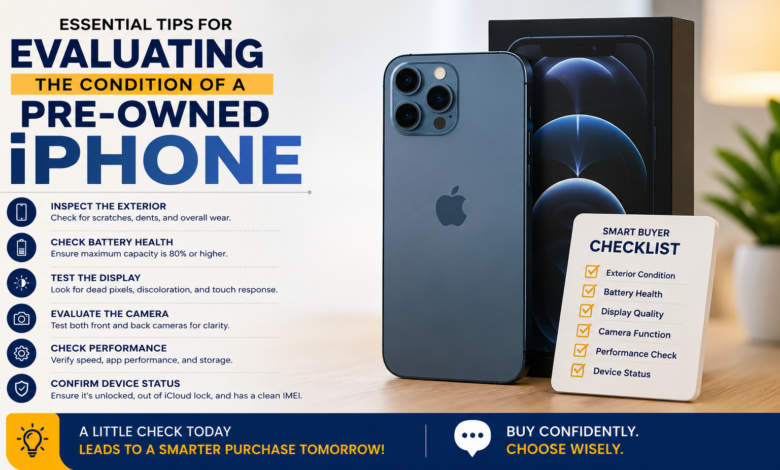
Buying a pre-owned iPhone can be a smart and cost-effective decision, especially for individuals and businesses looking to save money without sacrificing quality. Apple’s devices are known for their durability and long software support, making them a popular choice in the second-hand smartphone market. However, not every used iPhone offers the same value. A careful evaluation is necessary to ensure you are purchasing a device that is in good condition and worth the investment.
This guide highlights the essential factors to consider when assessing the condition of a pre-owned iPhone before making a purchase.
NOTE :- Consumers had discovered that used mobile iphones to buy provided an affordable path to owning premium smartphones. High-quality devices had been tested for functionality and performance before reaching buyers. Cost savings and reliability had made them a popular choice. Get in touch with GLP Wireless to learn more.
Check the Physical Appearance
The first step in evaluating a pre-owned iPhone is examining its physical condition. Carefully inspect the body of the device for scratches, dents, cracks, or signs of impact damage. While minor cosmetic wear is expected on a used phone, excessive damage could indicate poor handling or internal issues.
Pay special attention to the corners, frame, and back panel. Deep scratches or bent edges may suggest that the phone has been dropped multiple times. Also, inspect the camera lenses for cracks or scratches that could affect image quality.
Examine the Display Quality
The screen is one of the most important components of any smartphone. Turn on the device and inspect the display for dead pixels, discoloration, flickering, or uneven brightness. Open different applications and navigate through menus to ensure the touchscreen responds accurately.
Look for signs of screen replacement as well. While a professionally replaced display may work perfectly, low-quality replacement screens can affect color accuracy, touch sensitivity, and overall user experience.
Checking the display under different brightness levels can help identify hidden issues that may not be visible at first glance.
Verify Battery Health
Battery condition significantly impacts the usability of a pre-owned iPhone. Apple provides a built-in Battery Health feature that allows users to check the maximum battery capacity.
Navigate to Settings, Battery, and Battery Health to view the battery percentage. A battery health reading above 85% is generally considered good. Devices with significantly lower battery health may require a battery replacement soon, which should be factored into the overall purchase cost.
Also, monitor how quickly the battery drains during use and ensure the phone charges properly.
Test All Hardware Components
A thorough hardware inspection helps identify potential problems before purchase. Test the following components carefully:
- Front and rear cameras
- Flashlight
- Speaker and microphone
- Face ID or Touch ID
- Volume buttons
- Power button
- Charging port
- Wi-Fi connectivity
- Bluetooth functionality
- Vibration motor
Make a test call to verify audio quality and microphone performance. Open the camera app to check focus speed, image clarity, and video recording capabilities.
Any malfunctioning hardware can lead to costly repairs after purchase.
Confirm the IMEI and Activation Status
Every iPhone has a unique International Mobile Equipment Identity (IMEI) number. Verifying the IMEI helps confirm the device’s authenticity and ensures it has not been reported as lost, stolen, or blacklisted.
The IMEI can be found in the Settings menu or by dialing *#06#. Compare the displayed IMEI with the number printed on the device packaging if available.
Additionally, ensure that Activation Lock has been removed. If the previous owner’s Apple ID is still linked to the device, you may be unable to use the phone after purchase.
Check for Water Damage
Water exposure can cause hidden internal issues that may not appear immediately. Fortunately, Apple includes a Liquid Contact Indicator (LCI) inside its devices.
Inspect the indicator if possible. A red or pink indicator may suggest previous water damage. You should also check for signs such as:
- Fog inside camera lenses
- Corrosion around charging ports
- Distorted speaker sound
- Unresponsive buttons
Even if the phone appears to function normally, water-damaged devices may develop problems over time.
Review Software Performance
The software experience can reveal a lot about the overall condition of a pre-owned iPhone. Check whether the phone runs smoothly when opening apps, switching between screens, and performing basic tasks.
Ensure the device supports the latest available iOS version. Phones that no longer receive software updates may face compatibility and security limitations.
Observe whether apps crash frequently or if the system experiences unusual lag, as these could indicate underlying hardware issues.
Verify Storage Capacity
Before purchasing, confirm that the available storage matches the advertised specifications. Navigate to the storage settings and verify the total capacity.
Also, check how much storage is already occupied. Excessive storage usage may affect performance and could indicate that the device was not properly reset before sale.
Selecting the right storage capacity is especially important for users who store large amounts of photos, videos, and applications.
Inspect Accessories and Packaging
While accessories do not directly affect the phone’s condition, they can provide valuable clues about the device’s history. Original packaging, charging cables, and documentation often indicate that the phone has been well maintained.
Be cautious if the seller provides low-quality or damaged accessories, as this may reflect poor care of the device overall.
When buying in bulk or through wholesale channels, verifying the completeness of packaging can also improve resale value.
Purchase from Trusted Sources
One of the most effective ways to reduce risk is purchasing from reputable sellers. Trusted retailers, certified refurbishers, and established wholesalers typically perform inspections and testing before offering devices for sale.
Look for sellers that provide warranties, return policies, and detailed condition reports. These protections can offer additional peace of mind and help avoid unexpected expenses.
Conclusion
Purchasing a pre-owned iPhone can deliver excellent value, but only when the device is carefully evaluated before purchase. Examining the physical condition, display quality, battery health, hardware functionality, software performance, and activation status can help buyers make informed decisions.
A thorough inspection not only reduces the risk of hidden defects but also ensures that the device performs reliably for years to come. By following these essential tips, buyers can confidently select a high-quality pre-owned iPhone that meets their needs while maximizing their investment.
For More Insightful Articles Related To This Topic, Feel Free To Visit: https://ecomotion.ae/