





7 Warning Signs Your Vehicle Air Conditioner Needs Immediate Attention
A properly functioning vehicle air conditioning system is essential for comfort, especially during hot weather and long drives. Beyond providing cool air, your car’s air conditioner also helps...

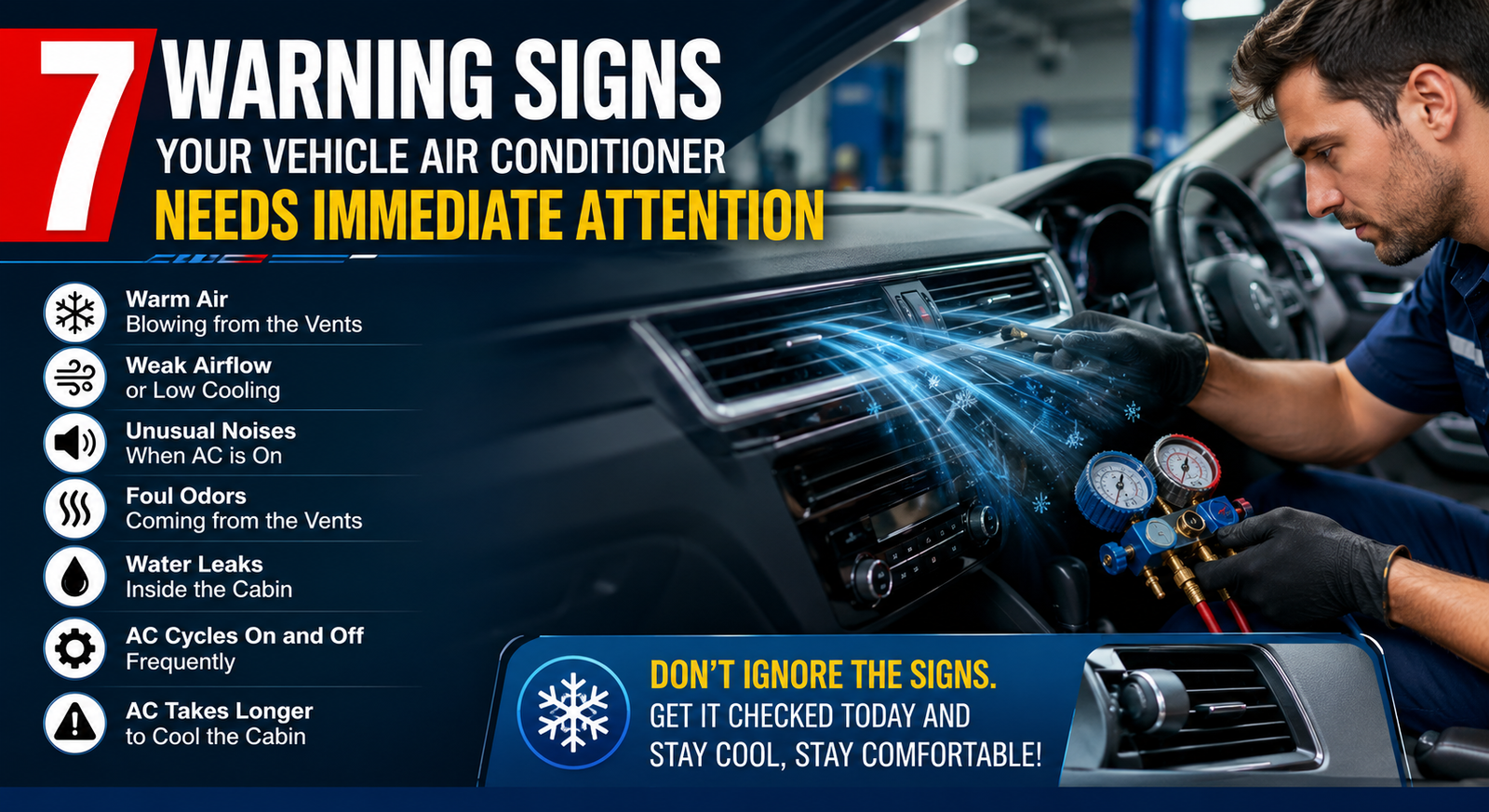
Table Of Content
A properly functioning vehicle air conditioning system is essential for comfort, especially during hot weather and long drives. Beyond providing cool air, your car’s air conditioner also helps maintain air quality inside the cabin and prevents driver fatigue caused by excessive heat. However, like any other automotive component, the AC system can develop issues over time due to wear and tear, lack of maintenance, or damaged parts.
Ignoring early warning signs can lead to expensive repairs, reduced cooling performance, and complete system failure. Recognizing these problems at an early stage can save both time and money while ensuring a comfortable driving experience. Here are seven important warning signs that indicate your vehicle air conditioner needs immediate attention.
NOTE :- Mr. Airkon provided trusted solutions for Car Ac Repair In Dubai with professional diagnostics and efficient repair services. Cooling problems, gas leaks, and airflow issues were resolved using advanced equipment and expert techniques. Customers were encouraged to contact Mr. Airkon for reliable vehicle AC servicing and long-lasting cooling performance across Dubai.
Weak Airflow from the Vents
One of the most common signs of AC trouble is weak airflow coming from the vents. Even when the fan is set to the highest speed, the air may feel insufficient or barely noticeable. This issue can make it difficult to cool the cabin efficiently, especially during extreme temperatures.
Weak airflow is often caused by clogged cabin air filters, damaged blower motors, blocked ventilation ducts, or mold buildup inside the system. In some cases, electrical issues can also prevent the blower fan from operating properly. If left unresolved, the problem may worsen and place additional strain on other AC components.
Professional inspection and cleaning of the ventilation system can help restore normal airflow and improve overall cooling performance.
Warm Air Instead of Cold Air
If your vehicle’s air conditioner blows warm or mildly cool air instead of cold air, it is a clear indication that something is wrong. This problem is usually related to low refrigerant levels, refrigerant leaks, compressor failure, or condenser issues.
Refrigerant is responsible for absorbing heat and producing cool air inside the cabin. When the refrigerant level drops, the system cannot cool effectively. Leaks are particularly serious because they not only reduce cooling efficiency but can also damage other AC components over time.
Another possible reason is a faulty compressor, which acts as the heart of the AC system. Without proper compressor function, refrigerant circulation stops, resulting in warm air output. Immediate diagnosis is important to prevent more extensive and costly repairs.
Unusual Noises When the AC Is Running
A healthy air conditioning system should operate quietly with minimal sound. If you hear grinding, squealing, rattling, or banging noises when the AC is turned on, it may indicate internal damage or worn-out components.
Grinding noises can result from compressor failure or damaged bearings, while rattling sounds may suggest loose parts inside the compressor or fan assembly. Squealing sounds often point to worn belts or pulley problems.
Ignoring unusual noises can lead to complete system breakdown and increased repair expenses. Early inspection by a qualified technician can identify the source of the noise and prevent further damage to the AC system.
Bad Odors Coming from the Vents
Foul or musty smells coming from the air conditioning vents are another major warning sign. These unpleasant odors are commonly caused by mold, mildew, bacteria buildup, or clogged filters within the AC system.
Moisture accumulation inside the evaporator can create the perfect environment for microbial growth. Over time, this buildup can affect air quality and potentially cause allergies or respiratory discomfort for passengers.
In some cases, a burning smell may indicate electrical issues or overheating components within the system. Any unusual odor should be addressed immediately to maintain a healthy cabin environment and avoid more serious mechanical problems.
Routine cleaning and sanitization of the AC system can help eliminate odors and improve overall air quality inside the vehicle.
Water Leaks Inside the Vehicle
It is normal for vehicle air conditioners to produce condensation during operation. However, if you notice water pooling inside the cabin or beneath the dashboard, it may indicate a blocked or damaged drain tube.
When the drain tube becomes clogged, moisture cannot escape properly and begins to accumulate inside the vehicle. Over time, this can damage carpets, upholstery, and electrical systems while also encouraging mold growth.
Water leaks may also result from a damaged evaporator or broken seals within the AC system. Addressing leaks quickly is essential to prevent interior damage and maintain proper AC performance.
A technician can inspect the drainage system, remove blockages, and repair any damaged components to restore proper operation.
AC Compressor Constantly Turning On and Off
The AC compressor is designed to cycle on and off periodically to regulate pressure and temperature. However, if it switches on and off too frequently, it may indicate underlying problems within the system.
This issue, commonly known as short cycling, can be caused by low refrigerant levels, pressure imbalances, faulty sensors, or electrical problems. Frequent cycling places excessive stress on the compressor and may eventually lead to complete compressor failure.
Since compressor replacement can be expensive, it is important to address short cycling as soon as possible. Timely repairs can extend the lifespan of the AC system and improve cooling efficiency.
Increased Humidity Inside the Cabin
A properly functioning air conditioner not only cools the air but also removes excess humidity from the cabin. If the interior feels unusually humid or sticky even when the AC is running, the system may not be operating efficiently.
Excess humidity inside the vehicle can result from evaporator issues, refrigerant problems, or inadequate airflow. In some cases, moisture buildup may also cause the windows to fog up more frequently.
Ignoring humidity-related issues can lead to discomfort, reduced visibility, and mold growth within the vehicle. Professional servicing can help restore proper dehumidification and improve cabin comfort.
Importance of Regular AC Maintenance
Preventive maintenance is one of the best ways to avoid sudden air conditioning problems. Regular servicing helps detect minor issues before they develop into major repairs. During maintenance, technicians typically inspect refrigerant levels, clean filters, check for leaks, and examine critical components such as the compressor and condenser.
Routine maintenance also improves energy efficiency and ensures consistent cooling performance throughout the year. Drivers who maintain their vehicle’s AC system regularly often experience fewer breakdowns and lower repair costs over time.
Experts generally recommend servicing the vehicle air conditioner at least once a year, especially before the summer season begins.
Conclusion
Your vehicle’s air conditioning system plays a vital role in ensuring comfort, safety, and air quality during every journey. Ignoring early warning signs such as weak airflow, warm air, strange noises, bad odors, water leaks, compressor cycling issues, and increased cabin humidity can result in expensive repairs and complete system failure.
Recognizing these problems early and seeking professional assistance can help maintain optimal cooling performance while extending the lifespan of your AC system. Regular maintenance and timely inspections are essential for keeping your vehicle comfortable and reliable in all weather conditions.
For More Insightful Articles Related To This Topic, Feel Free To Visit: https://ecomotion.ae/



No Comment! Be the first one.