





Advanced Exploration and Modern Metal Detection Technology
The world of underground exploration has evolved significantly with modern innovations, and today’s enthusiasts rely on highly advanced tools for accurate and efficient results. Among the most...

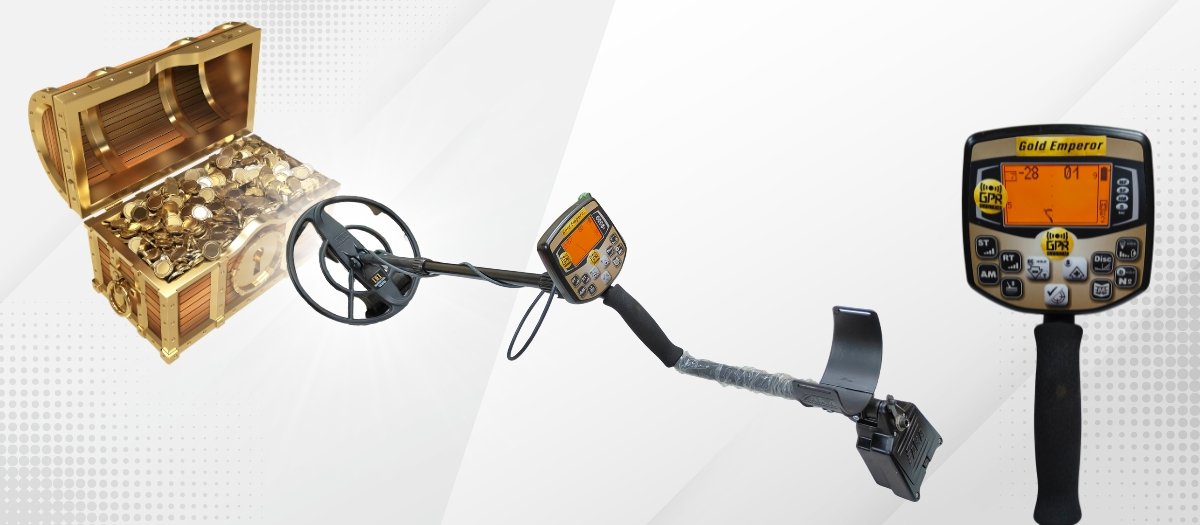
Table Of Content
- The Evolution of Metal Detection Technology
- How Modern Metal Detectors Improve Exploration
- Advanced Signal Processing
- Depth and Range Capabilities
- Smart Target Recognition
- Applications Across Different Fields
- Archaeological Exploration
- Geological and Environmental Studies
- Security and Inspection
- User-Friendly Design and Portability
- Technological Innovation in Modern Detection Systems
- Field Performance and Accuracy Enhancements
- Growing Interest in Advanced Detection Solutions
- AJAX Metal Detectors in Europe and Expanding Adoption
- The Future of Metal Detection Technology
The world of underground exploration has evolved significantly with modern innovations, and today’s enthusiasts rely on highly advanced tools for accurate and efficient results. Among the most trusted solutions in this field are AJAX Metal Detectors, designed to deliver exceptional performance for treasure hunters, researchers, and professionals who seek precision and reliability in their exploration journeys.
The Evolution of Metal Detection Technology
Metal detection has come a long way from basic signal-based devices to highly advanced systems capable of identifying targets with remarkable accuracy. Earlier tools were limited in depth and object recognition, but modern systems now integrate intelligent processing, improved sensors, and enhanced scanning capabilities.
These advancements allow users to detect buried objects with greater confidence and efficiency. Whether the goal is to locate historical artifacts, precious metals, or hidden underground structures, modern detectors have become essential tools across multiple fields.
The growing demand for reliable detection systems has encouraged continuous innovation, leading to improved accuracy, better usability, and enhanced field performance.
How Modern Metal Detectors Improve Exploration
Today’s metal detection systems are designed to provide a seamless user experience while maintaining high precision. They are built with advanced features that help users interpret signals more effectively and distinguish between different types of underground targets.
Advanced Signal Processing
Modern detectors are equipped with refined signal interpretation systems that help analyze underground materials. This allows users to identify valuable targets with greater clarity and reduces confusion during scanning operations.
Depth and Range Capabilities
One of the most important improvements in modern detection systems is their ability to detect objects at varying depths. This makes them suitable for a wide range of exploration activities, from shallow surface searches to deeper underground investigations.
Smart Target Recognition
Advanced algorithms assist users in identifying different types of metals. This feature enhances efficiency and ensures that users can focus on relevant targets during exploration sessions.
Applications Across Different Fields
Metal detection technology is widely used in several industries and professional domains due to its versatility and accuracy.
Archaeological Exploration
Archaeologists rely on advanced detection tools to locate buried artifacts without disturbing excavation sites unnecessarily. This helps preserve historical integrity while enabling valuable discoveries.
Geological and Environmental Studies
In geological research, detection systems assist in analyzing underground formations and identifying mineral-rich areas. These insights support scientific research and resource mapping.
Security and Inspection
Metal detection also plays a crucial role in security applications, helping identify metallic objects in restricted areas and ensuring safety in public environments.
User-Friendly Design and Portability
Modern detection systems are designed with convenience in mind. Lightweight construction and ergonomic designs allow users to carry and operate equipment comfortably across various terrains.
Features such as adjustable settings, clear digital displays, and intuitive controls make these devices suitable for both beginners and experienced users. This ease of use enhances productivity during long exploration sessions.
Battery efficiency and durable construction further improve usability, allowing users to focus on exploration without interruptions.
Technological Innovation in Modern Detection Systems
The continuous advancement of detection technology has introduced smarter and more efficient systems. These innovations include improved data interpretation, enhanced environmental adaptability, and refined scanning precision.
Artificial intelligence and digital mapping capabilities are also becoming more common, helping users gain deeper insights into underground structures and metallic compositions. These advancements are shaping the future of exploration and making detection systems more powerful than ever.
Field Performance and Accuracy Enhancements
Accuracy plays a vital role in successful exploration, and modern systems are designed to maximize precision in various conditions. Advanced calibration systems and environmental adaptability ensure consistent performance across different soil types and terrains.
This allows users to achieve more reliable results, whether they are exploring sandy areas, rocky landscapes, or mineral-rich environments. Enhanced stability and signal clarity further contribute to improved field outcomes.
Growing Interest in Advanced Detection Solutions
The global interest in metal detection continues to grow as more people discover its applications in exploration, research, and outdoor activities. Enthusiasts and professionals alike are drawn to the capabilities of modern systems, which provide a combination of precision, efficiency, and ease of use.
AJAX Metal Detectors in Europe and Expanding Adoption
Across international markets, the use of advanced detection systems is rapidly increasing, especially among professionals and hobbyists engaged in exploration activities. AJAX Metal Detectors in Europe have gained strong recognition for their advanced engineering and reliable performance, making them a preferred choice for users who value accuracy and innovation in their fieldwork.
The Future of Metal Detection Technology
The future of metal detection is expected to bring even more advanced capabilities, including deeper scanning ranges, improved object differentiation, and smarter data analysis systems. As technology continues to evolve, detection tools will become even more efficient, supporting a wider range of applications in research, exploration, and security.
These advancements will continue to enhance the user experience and expand the possibilities of underground discovery, making metal detection an even more valuable field in the years ahead.



No Comment! Be the first one.