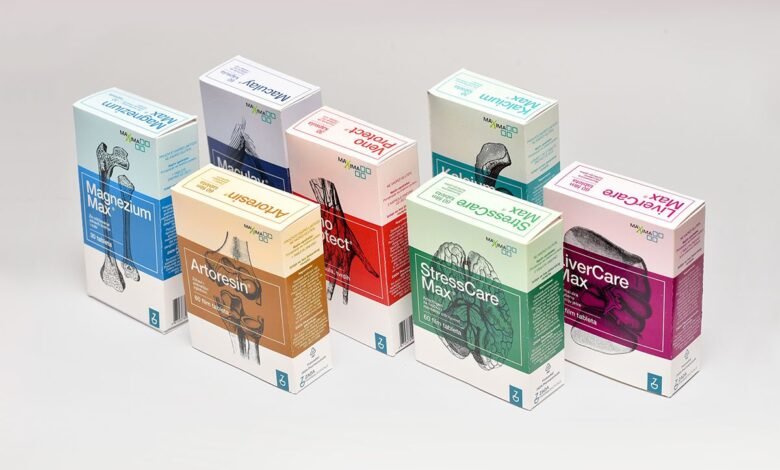
Pharmaceutical packaging in the healthcare world is more than just a cover. It protects medicines, builds trust, and supports brand identity.
Companies often struggle to balance premium looks with real-world practicality. The right choice can shape how users feel about a product.
When Style Meets Purpose in Healthcare Pharmaceutical Packaging
In pharmaceutical packaging, style and purpose often compete with each other. Luxury design focuses on visual appeal, while functional design focuses on safety and usability. Both have value, but they serve different goals.
Luxury packaging tries to create a premium experience. It uses attractive colors, smooth textures, and refined finishes. This helps brands stand out in a crowded market. However, appearance alone is not enough in healthcare.
Functional packaging focuses on protection and clarity. It ensures medicines remain safe from heat, moisture, and damage. It also helps users understand instructions quickly and easily.
When brands combine both ideas, they create stronger value. A well-balanced design can attract attention while still keeping the product safe. This balance is becoming more important in modern healthcare markets.
Why Patient Safety Always Comes First
Patient safety is the core of every pharmaceutical product. No matter how attractive packaging looks, it must protect the medicine inside. If safety fails, trust is lost immediately.
Functional design ensures that medicines remain stable during storage and transport. It also reduces risks like contamination or incorrect usage. Clear labeling is another important part of safety.
Luxury features should never block important information. Instead, they should support clarity and structure. When users open a pack, they must quickly understand dosage and instructions.
In real practice, safety-focused design includes strong sealing, tamper-proof systems, and moisture resistance. These features may not look fancy, but they are essential.
A brand that prioritizes safety shows responsibility. This builds long-term trust with doctors, pharmacists, and patients.
How Design Influences Brand Image
Packaging design plays a direct role in how people see a brand. A clean and premium design creates a sense of quality. At the same time, a simple and functional design creates trust and reliability.
Luxury design often targets emotional response. It makes users feel they are buying something special. This can help in competitive retail spaces.
However, healthcare is not just about emotions. Users also look for clarity and ease of use. That is where functional design becomes important.
Typography, color choice, and layout all affect brand perception. Even small design decisions can change how professional a product looks.
A strong brand image comes from consistency. When packaging remains uniform across products, it builds recognition. Over time, this helps increase customer loyalty.
The Practical Side of Packaging Performance
Performance is where functional packaging proves its value. Medicines go through long supply chains. They face heat, pressure, and handling during transport.
A strong design ensures that products remain intact from factory to user. This includes resistance to damage and environmental changes.
One important part of performance is usability. Patients should be able to open and close packaging without difficulty. This is especially important for elderly users.
Another key factor is storage efficiency. Packaging must fit easily into pharmacy shelves and home storage spaces.
Good performance also reduces product waste. When packaging fails, medicines can become unusable. This leads to financial loss and health risks.
Cost Decisions and Production Reality
Cost plays a major role in packaging choices. Luxury packaging often requires advanced materials and extra processing. This increases production cost significantly.
Functional packaging uses simpler methods. It focuses on efficiency and large-scale production. This makes it more suitable for mass-market medicines.
However, cost is not the only factor. Brands also think about long-term value. A slightly higher investment can improve brand trust and customer satisfaction.
Production speed is another concern. Simple designs are easier to manufacture in large quantities. Complex luxury designs may slow down production lines.
Companies often balance both approaches depending on product type. High-end products may justify premium packaging, while regular medicines need cost-effective solutions.
Compliance Rules That Cannot Be Ignored
Healthcare packaging must follow strict regulations. These rules are designed to protect users and ensure product quality. No brand can ignore them.
Every package must include clear information like dosage, expiry date, and usage instructions. Missing or unclear details can cause serious risks.
Safety features like tamper evidence are also required. These help users confirm that the product has not been opened before use.
Child-resistant designs are needed for certain medicines. This prevents accidental ingestion and improves household safety.
Even when companies focus on design, compliance must remain the top priority. A beautiful package is useless if it does not meet legal standards.
Key Compliance Requirements in Simple Terms
- Clear dosage and usage instructions must always be visible
- Expiry date and storage details should be easy to read
- Tamper-proof seals are required for safety assurance
- Child-resistant features may be needed for specific medicines
- Labeling must follow national and international guidelines
These rules may seem strict, but they protect both patients and companies. Following them ensures smooth market approval and safe product use.
How Packaging Builds Consumer Trust
Trust is one of the most important factors in healthcare. Patients rely on packaging to judge product quality before use.
Simple and clear packaging often feels more reliable. It shows that the brand cares about user safety. On the other hand, overly complex designs can create confusion.
When users can easily read instructions, they feel more confident. This improves their overall experience with the product.
Consistency also builds trust. When packaging looks the same across different products, users recognize the brand faster.
Over time, this trust leads to loyalty. People are more likely to choose brands they feel safe with.
The Role of Modern Innovation in Packaging
Modern packaging is changing fast. New technologies are making designs smarter and more user-friendly.
Digital features like QR codes help users access detailed information. This reduces confusion and improves communication.
Sustainable materials are also becoming popular. Brands are now focusing on eco-friendly solutions that reduce environmental impact.
At the same time, design is becoming more flexible. Companies are trying to mix premium looks with strong functionality.
The best results come from balance. A smart design supports safety, improves usability, and still looks appealing.
Innovation is not just about technology. It is also about understanding user needs better and responding to them effectively.
Finding the Right Balance for Long-Term Success
The real challenge for brands is not choosing between luxury and function. It is finding the right mix of both.
A balanced design creates both trust and appeal. It protects the medicine while also supporting brand identity.
Over time, the market is moving toward this hybrid approach. Users want safety, but they also appreciate good design.
In many cases, simple improvements in design can create big changes in perception. Small details can improve usability without increasing cost too much.
Brands that understand this balance will stay ahead. Ibex Packaging will build stronger relationships with customers and maintain long-term success in the healthcare industry.
Conclusion
Luxury and functional design both have a place in pharmaceutical packaging, but they must be used with clear purpose. In healthcare, safety and clarity always come first because they directly affect patient well-being. At the same time, modern markets also expect better presentation, stronger branding, and improved user experience.
A successful packaging strategy does not depend on choosing one side only. Instead, it depends on balance. Functional design ensures protection, accuracy, and ease of use. Luxury elements, when used carefully, improve trust and brand recognition without harming usability.
Brands that focus too much on appearance may risk confusion or compliance issues. On the other hand, brands that ignore design completely may lose market appeal. The best approach is a thoughtful mix where safety features guide the structure, and design supports communication.
As the industry continues to evolve, packaging will become smarter, more sustainable, and more user-focused. Companies that understand both the emotional and practical sides of packaging will stay competitive. In the end, the real goal is simple: protect the medicine, support the user, and build lasting trust through every pack delivered.
Source Link: https://ibexpackaging.com/custom-pharmacy-packaging-boxes/