In many B2B supply chains, product damage during transit is not an occasional issue but a recurring cost driver. Electronics distributors, medical suppliers, cosmetic brands, and industrial parts manufacturers often face similar challenges: fragile items shifting inside cartons, temperature-sensitive goods losing stability, and returns increasing due to preventable breakage. These issues usually trace back to one decision point—selection of internal protective packaging.
Foam-based protective packaging has become a practical option for businesses that need consistent cushioning across bulk shipments. For procurement managers and packaging buyers evaluating cost, protection level, and scalability, foam shippers are often considered alongside other structural packaging formats.
Why Foam Shippers Are Used in Bulk Shipping Operations
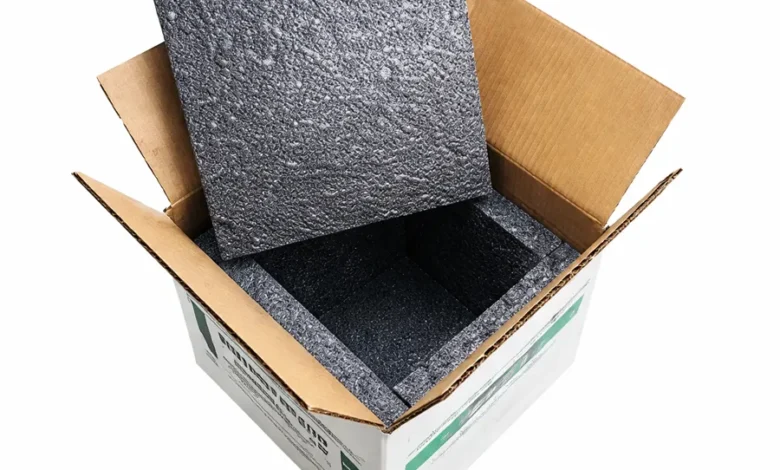
Foam shippers are designed to stabilize products inside corrugated cartons using molded or die-cut foam inserts. Their main function is to reduce movement, absorb impact, and keep items fixed in place during handling and transportation.
In wholesale procurement, foam shippers are commonly selected for:
- Electronics components such as circuit boards and devices
- Medical instruments and diagnostic kits
- Glassware and laboratory items
- High-value industrial parts
Compared to loose fill materials, foam inserts provide consistent placement and repeatable protection across large order volumes. This consistency is particularly important for companies shipping from centralized warehouses to multiple distribution points.
Key Factors Procurement Teams Should Evaluate
When reviewing suppliers for foam-based packaging, cost per unit is only one part of the decision. Several operational factors influence long-term performance and efficiency.
1. Foam density and material type
Different densities affect shock absorption and compression resistance. EVA, PE, and polyurethane foams each serve different shipping conditions. Selecting the wrong type can lead to overpackaging or underprotection.
2. Compatibility with outer cartons
Foam shippers are typically paired with corrugated mailer boxes or folding cartons. Ensuring correct sizing reduces internal shifting and avoids unnecessary void space.
3. Minimum order quantity (MOQ)
Wholesale buyers should confirm MOQ requirements early, especially when forecasting seasonal demand or multi-warehouse distribution.
4. Production lead time
For procurement managers handling recurring shipments, lead times directly affect inventory planning. Delays in packaging supply can disrupt fulfillment schedules.
5. Supplier consistency and quality control
Variations in foam cutting precision or density can lead to uneven protection. Consistency across batches is essential for scalable operations.
Foam Shippers in Relation to Other Packaging Formats
Foam shippers are rarely used in isolation. They are part of a broader packaging system that may include:
- Mailer boxes for direct-to-consumer shipments and eCommerce orders
- Rigid boxes for luxury or presentation-focused packaging
- Custom sleeves for branding and product layering
- Tuck-end boxes for retail-ready packaging of lighter products
Each format plays a different role. Foam shippers are primarily focused on internal protection, while outer packaging defines stacking strength, shelf presence, and logistics efficiency. Procurement teams often combine these elements depending on product fragility and distribution channels.
Wholesale Considerations for US-Based Buyers
In the US packaging market, cost efficiency is closely tied to freight optimization and warehouse handling speed. Foam inserts can reduce damage-related returns, which indirectly lowers reverse logistics costs. However, buyers also evaluate storage space, as foam components may require more volume compared to flat-packed alternatives.
Sustainability is another growing factor. Some buyers are shifting toward recyclable or reduced-waste foam options, especially in regulated industries. Suppliers that offer material flexibility tend to be preferred in long-term procurement agreements.
Evaluating a Supplier for Foam Shippers Wholesale
For businesses sourcing at scale, supplier selection often determines packaging reliability as much as the material itself. Buyers typically assess:
- Ability to handle custom dimensions for different product lines
- Experience with bulk industrial orders
- Quality control processes for foam cutting and lamination
- Communication speed during design and sampling phases
A supplier that supports both standard and custom foam configurations can reduce the need for multiple vendors across different product categories.
One example of a supplier offering bulk packaging solutions is foam shippers wholesale, which provides foam-based protective options designed for wholesale procurement needs. Their broader packaging range can also be reviewed through Wow Custom Boxes, where additional carton and structural packaging formats are available for comparison.
Final Consideration for Procurement Planning
Foam shippers remain a practical option for businesses prioritizing consistent internal protection in bulk shipping environments. The key is not only selecting the material but aligning it with carton design, order volume, and supplier reliability. Procurement teams that evaluate these factors early tend to reduce packaging-related disruptions in downstream operations.
For organizations reviewing their current packaging setup or preparing for higher shipment volumes, requesting a structured quote based on product dimensions and order frequency can provide a clearer view of cost and material fit.