





Why Cabinet Drawings Are Essential for Project Planning
A successful cabinetry project requires more than selecting attractive finishes and quality materials. Whether the project involves a residential kitchen, office storage system, retail fixtures, or...

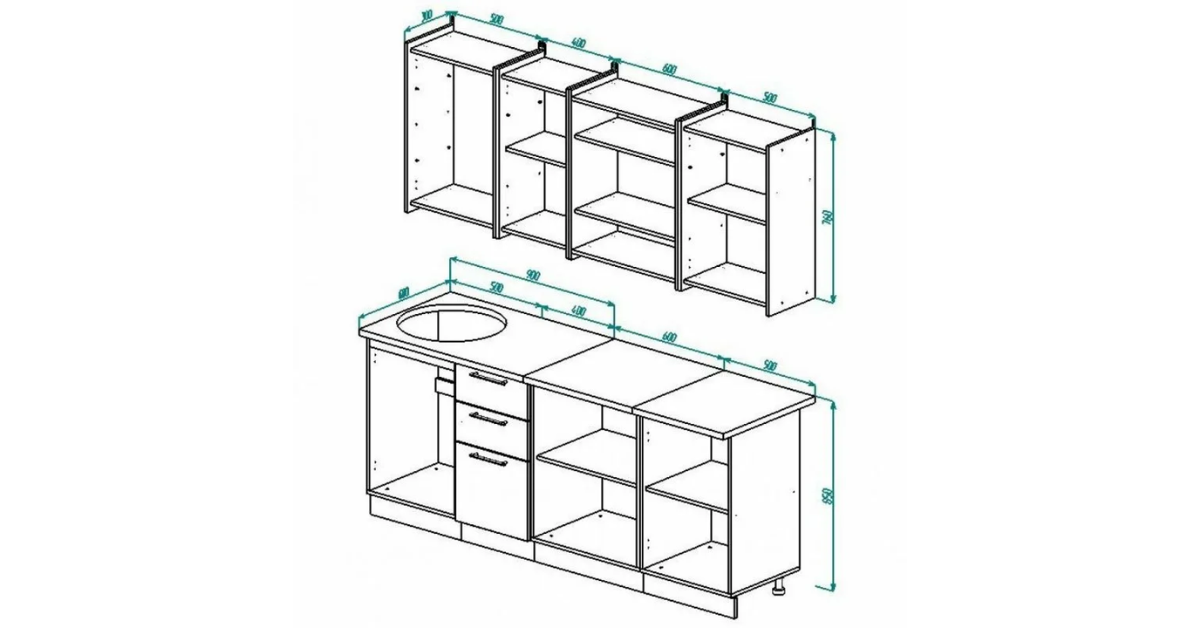
Table Of Content
- Understanding Cabinet Drawings
- The Importance of Planning Before Fabrication
- Gathering Accurate Project Information
- The Role of Accurate Measurements
- Creating Functional Layouts
- Improving Manufacturing Accuracy
- Coordinating With Building Systems
- Supporting Better Cost Estimation
- Simplifying Project Reviews
- Supporting Efficient Installation
- Real-World Planning Success
- Common Planning Errors to Avoid
- Overlooking Site Conditions
- Rushing the Approval Process
- Inadequate Trade Coordination
- Missing Storage Requirements
- Using Assumptions Instead of Documentation
- Why Professional Cabinet Drawing Services Matter
- Conclusion
- FAQs
- 1. What are cabinet drawings used for?
- 2. Why are cabinet drawings important during planning?
- 3. Can cabinet drawings help reduce project costs?
- 4. Do professional cabinet drawings improve installation?
A successful cabinetry project requires more than selecting attractive finishes and quality materials. Whether the project involves a residential kitchen, office storage system, retail fixtures, or custom millwork, careful planning plays a major role in achieving the desired results. One of the most important tools used during this planning process is cabinet drawings.
These detailed technical documents provide a clear visual guide that helps designers, contractors, fabricators, and installers work together effectively. By presenting accurate dimensions, layouts, and construction information before production begins, cabinet drawings help reduce errors, control costs, and improve project efficiency.
This article explores the importance of cabinet drawings and explains how they contribute to better planning and successful project execution.
Understanding Cabinet Drawings
Cabinet drawings are technical representations that show how cabinets will be designed, manufactured, and installed within a specific space. They provide the information required to transform an idea into a finished product.
A complete drawing package may include:
- Floor plans
- Cabinet elevations
- Side views
- Section details
- Material specifications
- Hardware schedules
- Construction notes
- Installation instructions
These documents act as a communication tool that allows every project participant to understand the exact requirements before work begins.
The Importance of Planning Before Fabrication
Many construction problems occur because planning was rushed or important details were overlooked. Cabinets may fit poorly, interfere with building systems, or fail to meet client expectations.
Consider a situation where custom cabinets are manufactured before appliance dimensions are verified. Once installation begins, the cabinets may require modifications to accommodate refrigerators, ovens, or dishwashers. Such mistakes often result in delays and additional expenses.
Professional cabinet drawings help identify these issues early so adjustments can be made before fabrication starts.
Major planning benefits include:
- Better design accuracy
- Improved communication
- Fewer project delays
- Reduced rework
- More accurate budgets
- Faster approvals
- Smoother installations
These advantages make detailed drawings a valuable part of any cabinetry project.
Gathering Accurate Project Information
Effective planning begins with collecting complete and accurate information about the project.
Before drafting starts, designers typically review:
- Room measurements
- Storage needs
- Design preferences
- Appliance specifications
- Building requirements
- Accessibility standards
- Existing site conditions
This information helps ensure the final drawings reflect the actual needs of the client and the available space.
For example, a homeowner may initially request basic kitchen storage. Later, they may decide to add spice racks, pull-out trays, or specialized organizers. Including these requirements during the planning stage helps avoid revisions during production.
The Role of Accurate Measurements
Precise measurements are essential for cabinetry projects.
Professional drafting teams carefully record:
- Wall dimensions
- Ceiling heights
- Door locations
- Window openings
- Plumbing fixtures
- Electrical outlets
- Structural components
- Existing installations
Even a small measurement error can create serious installation challenges.
Detailed millwork drawings ensure every dimension is verified and incorporated into the design before manufacturing begins. This level of accuracy helps prevent costly adjustments during installation.
Creating Functional Layouts
Cabinet planning is not only about fitting storage into a room. It is also about creating a space that functions efficiently and comfortably.
When designing layouts, professionals consider:
- Workflow patterns
- User convenience
- Accessibility
- Traffic movement
- Storage efficiency
- Safety requirements
In kitchens, cabinets should support cooking, cleaning, and food preparation activities. In offices and commercial environments, storage systems should improve organization and productivity.
A well-planned layout helps maximize space while enhancing the overall user experience.
Improving Manufacturing Accuracy
After the layout is approved, the next step is preparing fabrication-level documents.
These detailed cabinet drawings often include:
- Component sizes
- Panel dimensions
- Joinery details
- Material information
- Hardware placement
- Assembly instructions
- Finish specifications
Manufacturers rely on these documents to build cabinets accurately.
Without detailed drawings, fabrication teams may need to make assumptions that increase the risk of errors. Accurate shop drawings eliminate uncertainty and support consistent production quality.
Coordinating With Building Systems
Cabinet installations frequently interact with various building systems. Proper coordination is necessary to prevent conflicts during construction.
Areas requiring coordination include:
- Electrical systems
- Plumbing lines
- HVAC components
- Lighting fixtures
- Fire protection equipment
Detailed planning helps identify potential problems before installation begins.
Common issues may include:
- Cabinets blocking electrical outlets
- Plumbing interference
- Appliance clearance conflicts
- Restricted HVAC access
- Lighting obstructions
Resolving these concerns during planning saves time and reduces project costs.
Supporting Better Cost Estimation
Budget accuracy depends on having reliable project information.
Detailed cabinet drawings allow estimators to calculate:
- Material quantities
- Labor requirements
- Hardware costs
- Finishing expenses
- Delivery fees
- Installation costs
Accurate calculations lead to more dependable budgets and reduce the likelihood of unexpected expenses later in the project.
Clients benefit from realistic pricing, while contractors gain greater confidence in project planning.
Simplifying Project Reviews
One of the greatest advantages of professional planning is the ability to review every detail before production begins.
During the review process, stakeholders can verify:
- Dimensions
- Materials
- Hardware selections
- Finishes
- Construction methods
- Installation requirements
Making adjustments before fabrication is significantly easier and less expensive than making changes after cabinets have been built.
A thorough review process improves project accuracy and reduces risk.
Supporting Efficient Installation
The usefulness of cabinet drawings extends beyond design and manufacturing. Installation teams also depend on these documents to complete their work correctly.
Installers use drawings to:
- Confirm cabinet locations
- Verify dimensions
- Maintain alignment
- Check spacing requirements
- Install hardware properly
With clear instructions available, installation crews can work more efficiently and confidently.
This reduces errors while helping projects stay on schedule.
Real-World Planning Success
A hotel renovation project required custom cabinetry for guest rooms and public areas. Initially, the project team planned to proceed directly to production to save time.
However, detailed cabinet drawings were prepared first.
During the review phase, designers discovered that several cabinet units conflicted with existing electrical conduits hidden inside the walls. The issue was resolved before fabrication by modifying cabinet dimensions and adjusting installation locations.
As a result:
- Production proceeded smoothly.
- Installation delays were avoided.
- Additional expenses were eliminated.
- The project remained on schedule.
This example demonstrates how effective planning can prevent costly construction problems.
Common Planning Errors to Avoid
Even experienced professionals can encounter planning challenges.
Overlooking Site Conditions
Always verify existing conditions before finalizing drawings.
Rushing the Approval Process
Review all project details carefully before authorizing production.
Inadequate Trade Coordination
Coordinate cabinetry with electrical, plumbing, and HVAC systems.
Missing Storage Requirements
Consider both current and future storage needs.
Using Assumptions Instead of Documentation
Ensure every specification is clearly documented within the drawings.
Avoiding these mistakes improves project performance and minimizes risks.
Why Professional Cabinet Drawing Services Matter
Although design software is widely available, professional drafting services provide greater precision and technical expertise.
Professional drafting specialists offer:
- Detailed documentation
- Accurate measurements
- Better fabrication support
- Improved coordination
- Reduced project risks
- Faster approval processes
Most importantly, they help ensure the finished cabinets reflect the original design intent.
For homeowners, contractors, architects, and developers, professional drafting services often lead to smoother projects and better final results.
Conclusion
Every successful cabinetry project depends on careful planning, clear communication, and accurate information. Cabinet drawings provide the foundation for achieving these objectives by serving as a detailed guide drawstick from design through installation.
By supporting accurate measurements, efficient layouts, reliable budgeting, fabrication accuracy, and installation success, these drawings help eliminate uncertainty throughout the project lifecycle.
Whether you are planning custom residential cabinetry, commercial storage solutions, or specialized millwork, investing in professional cabinet drawings can significantly improve project planning and overall project performance.
FAQs
1. What are cabinet drawings used for?
Cabinet drawings are used to communicate cabinet dimensions, layouts, materials, construction details, and installation requirements before manufacturing begins.
2. Why are cabinet drawings important during planning?
They help identify potential issues early, improve communication, and ensure accurate project execution.
3. Can cabinet drawings help reduce project costs?
Yes. Detailed drawings improve estimating accuracy, reduce waste, and prevent costly fabrication and installation errors.
4. Do professional cabinet drawings improve installation?
Absolutely. They provide installers with precise instructions, helping ensure cabinets are installed correctly and efficiently.



No Comment! Be the first one.