





Can Cooperation Prevent the Next Global Crisis?
The world faces challenges that no single country can solve alone. From climate change to global conflicts, today’s problems cross borders and affect millions of lives. Economic shocks, food...

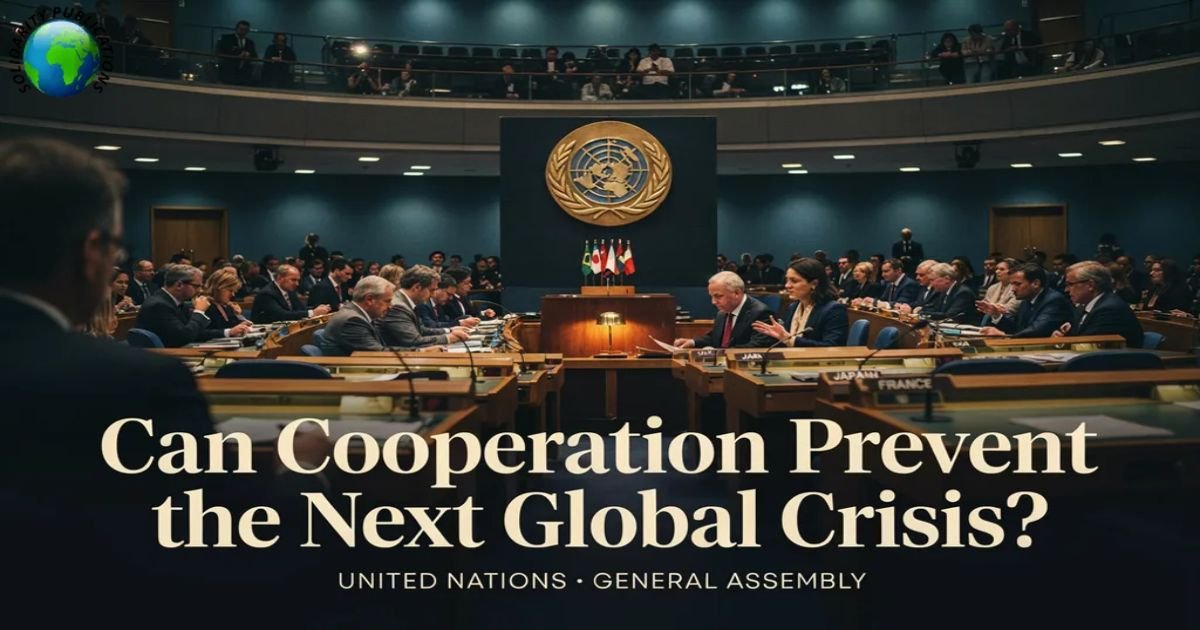
Table Of Content
- Why Global Cooperation Matters More Than Ever
- How Climate Change Is Creating New Global Challenges
- Climate Change and Global Stability
- The Growing Threat of AI and Cyber Warfare
- Why Digital Cooperation Is Essential
- Can Economic Cooperation Prevent Future Crises?
- Why Food Security Is Essential for Global Peace
- Hunger, Conflict, and Migration
- What Global Conflicts Teach About International Cooperation
- The Role of Global Institutions in Preventing Crisis
- Why Multilateral Cooperation Matters
- A Realistic Path to Peace Through Cooperation
- Conclusion
- Frequently Asked Questions
The world faces challenges that no single country can solve alone. From climate change to global conflicts, today’s problems cross borders and affect millions of lives. Economic shocks, food shortages, and digital threats continue to test every nation. These growing risks raise an important question: Can Cooperation Prevent the Next Global Crisis?
The answer depends on how governments, businesses, and international organizations work together. Strong international cooperation helps countries respond faster to emergencies, protect essential resources, and strengthen long-term resilience. By encouraging dialogue instead of division, nations can build safer communities, improve global stability, and create better opportunities for future generations.
| Global Challenge | Why Cooperation Matters |
| climate change | Protects food, water, and agriculture |
| AI and Cyber Warfare | Improves digital security |
| global conflicts | Encourages peaceful solutions |
| Economic shocks | Supports trade and recovery |
| Food shortages | Strengthens supply chains |
Why Global Cooperation Matters More Than Ever
Today’s world is more connected than ever before. A crisis in one country can quickly affect economies, food supplies, and businesses across the globe. This growing interdependence makes global cooperation essential for solving problems that no nation can handle alone. Countries that share knowledge, technology, and resources recover faster from disasters and economic downturns.
Moreover, stronger international cooperation builds trust between nations and supports international peace and security. It also encourages better trade, scientific research, and emergency planning. As discussed in Why Global Cooperation Matters in a World of Rising Global Tensions, collaboration reduces uncertainty and helps countries respond more effectively during difficult times.
How Climate Change Is Creating New Global Challenges
Climate change is no longer only an environmental issue. It now affects agriculture, public health, energy systems, and economic growth. Rising temperatures, droughts, floods, and severe storms reduce crop production while increasing pressure on natural resources. These changes create long-term risks for both developed and developing countries.
At the same time, climate security has become an important part of international policy. Governments must invest in cleaner technologies, stronger infrastructure, and sustainable farming practices. These efforts improve resilience while reducing the possibility of future humanitarian emergencies.
Climate Change and Global Stability
Extreme weather continues to damage communities around the world. Longer droughts, rising sea levels, and stronger hurricanes force people to leave their homes. These changes increase migration, strain public services, and place additional pressure on governments. As explained in Climate Change as a Threat Multiplier: The Hidden Driver of Global Conflicts in 2026, environmental risks can also increase political instability and social tension.
The Growing Threat of AI and Cyber Warfare
Modern conflict is changing rapidly. AI and Cyber Warfare now threaten power grids, hospitals, transportation systems, and financial institutions without using traditional weapons. Cyberattacks can spread within minutes and disrupt essential services across multiple countries. As digital technology grows, governments must prepare for increasingly complex security challenges.
Strong digital diplomacy and multilateral cooperation help countries share intelligence, improve cybersecurity, and respond to cyber incidents more effectively. Better international standards also reduce misunderstandings that could escalate into larger disputes. Cooperation in cyberspace has become just as important as cooperation on land, sea, and air.
Why Digital Cooperation Is Essential
Cybersecurity depends on trust and information sharing. Governments, businesses, and technology experts must work together to identify new risks before they become major crises. International agreements also help protect critical infrastructure while reducing the chance of digital conflicts spreading across borders.
Can Economic Cooperation Prevent Future Crises?
Economic partnerships create stability during uncertain times. Strong economic cooperation allows countries to maintain trade, protect jobs, and support businesses even when global markets become unstable. Reliable trade networks also strengthen economic resilience by reducing supply disruptions and improving access to essential goods.
Recent events have shown how fragile the global economy can become. Supply chain disruptions, inflation, and energy shortages affected millions of families worldwide. As discussed in Can Economic Cooperation Prevent Future Global Conflicts? stronger economic partnerships reduce financial uncertainty while supporting long-term development. They also encourage peaceful relationships because countries that trade together often have greater incentives to resolve disputes through dialogue instead of confrontation.
Why Food Security Is Essential for Global Peace
Food is more than a basic human need. It also supports stable societies and healthy economies. When people have reliable access to food, communities become stronger and more productive. However, growing food security concerns threaten millions of families because rising prices, poor harvests, and disrupted trade continue to increase food insecurity around the world.
Strong global partnerships are essential for protecting food systems. Countries can share agricultural knowledge, improve farming technology, and strengthen food supply chains through long-term cooperation. As discussed in Why Food Security Is Becoming a Global Peace Issue, stable food systems reduce hunger, improve economic growth, and support lasting peace across regions.
Hunger, Conflict, and Migration
Hunger often creates pressure that extends beyond national borders. Families forced to leave their homes because of food shortages increase migration and place additional demands on neighboring countries. Investing in sustainable agriculture and stronger food systems helps reduce these pressures while creating more secure communities.
What Global Conflicts Teach About International Cooperation
Recent global conflicts demonstrate that military solutions alone rarely create lasting stability. The Russia-Ukraine war disrupted energy markets, grain exports, and international trade, affecting countries far from the battlefield. These events show how quickly regional conflicts become global economic challenges through higher prices and supply shortages.
At the same time, diplomacy continues to play an important role. As explained in Can Diplomacy Prevent Future Wars? dialogue allows nations to reduce misunderstandings before they become larger crises. Constructive communication also strengthens conflict prevention while protecting international trade and supporting long-term peacebuilding efforts.
The Role of Global Institutions in Preventing Crisis
International organizations provide essential support during emergencies. The United Nations (UN) works alongside governments to coordinate humanitarian assistance, promote diplomacy, and strengthen international cooperation. Institutions such as the World Bank, International Monetary Fund (IMF), and World Trade Organization (WTO) also help countries recover from economic shocks while encouraging sustainable development.
These organizations become even more important during humanitarian crises caused by disasters, conflict, or economic instability. Their financial support, technical expertise, and coordinated planning improve economic resilience while helping vulnerable nations respond more effectively to future risks.
Why Multilateral Cooperation Matters
Modern challenges rarely remain within one country’s borders. Strong multilateral cooperation allows governments to exchange information, coordinate emergency responses, and develop common policies. Working together builds trust, improves preparedness, and strengthens the global response to shared challenges.
A Realistic Path to Peace Through Cooperation
Lasting peace requires more than military strength. It depends on trust, dialogue, and practical cooperation between nations. Expanding international diplomacy, improving peacebuilding, and investing in stronger partnerships create opportunities for long-term development while reducing unnecessary conflict.
The vision presented in A Realistic Path to Peace reminds us that cooperation offers practical solutions to today’s most complex problems. Whether addressing climate change, food shortages, cyber threats, or economic uncertainty, countries achieve better results when they work together instead of acting alone. Strong partnerships remain the foundation for future world peace.
Conclusion
The question Can Cooperation Prevent the Next Global Crisis? is more important than ever. Today’s challenges include AI and Cyber Warfare, climate change, economic uncertainty, food insecurity, and growing geopolitical competition. None of these problems can be solved by one nation acting alone.
Greater international cooperation, stronger global stability, and continued investment in diplomacy offer realistic solutions for the future. Governments, businesses, and international organizations must continue building trust while strengthening economic partnerships and protecting vulnerable communities. By choosing cooperation over confrontation, the world can reduce future crises and move closer to lasting peace.
Frequently Asked Questions
Can cooperation really prevent global crises?
Yes. International cooperation helps countries respond more quickly to conflicts, disasters, health emergencies, and economic challenges through shared resources and coordinated action.
Why is international cooperation important today?
It strengthens diplomacy, supports economic growth, improves food security, and helps countries solve global challenges that cross national borders.
How does climate change affect global stability?
Climate change increases food shortages, migration, natural disasters, and economic pressure, making international cooperation more important than ever.
What role does diplomacy play in preventing conflict?
Diplomacy encourages dialogue, builds trust between nations, and reduces tensions before disputes develop into larger conflicts.



No Comment! Be the first one.