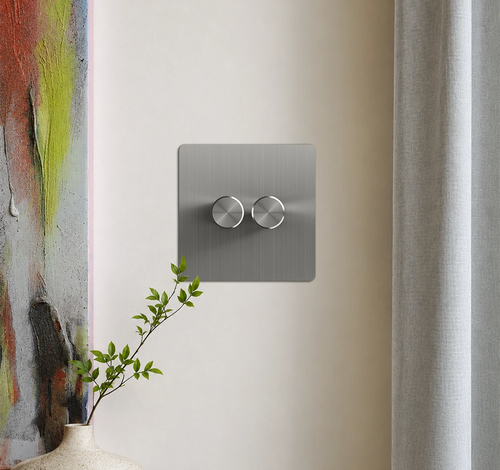
Transforming your living space into a sanctuary of comfort and productivity begins with how you manage your environment. Proper illumination is far more than a practical necessity; it is a fundamental element of interior design that shapes your daily experience. By integrating a Repenic solution into your home’s electrical layout, you gain the flexibility required to adapt every room to your specific needs. Whether you are focusing on energy conservation or crafting the perfect mood for a quiet evening, upgrading to a high-quality dimmer switch is an essential step toward a more responsive and inviting living space.
The Evolution of Residential Illumination
The concept of lighting has moved well beyond the basic binary function of simple on-off switches. Contemporary technology now prioritizes user experience, allowing for granular control that supports your natural circadian rhythms and psychological well-being. By managing the intensity of your illumination, you are not merely adjusting visibility; you are curating the emotional character of your home.
When you install a modern control system, you achieve a seamless transition from the focused, bright light required for daytime productivity to the soft, warm tones that encourage evening relaxation. This adaptability ensures your home remains perfectly synced with your lifestyle, providing the right amount of light for every task, from deep-cleaning your kitchen to enjoying a relaxed family dinner.
Strategic Advantages of Adjustable Control Systems
The benefits of installing sophisticated lighting controls extend deep into the practical management of your household. Energy efficiency is a primary driver for many modern homeowners. By slightly dimming your lights, you significantly reduce electricity consumption across your fixtures. This choice not only lowers your utility expenses over time but also extends the operational lifespan of your light bulbs, resulting in fewer replacements and less waste.
Furthermore, these systems provide unmatched convenience and consistency. Many modern switches include memory features, allowing you to set a preferred brightness level and return to it instantly with a single touch. Some advanced models even offer programmable scheduling, ensuring your home is always lit to your exact preferences the moment you step through the door after work.
Technical Considerations for Hardware Compatibility
Before you begin your next upgrade, it is vital to understand the technology governing your lighting setup. Not every bulb is designed to work with standard dimming hardware. LED technology has transformed the industry, but it demands specific circuitry to ensure smooth, flicker-free performance. When shopping for your components, always verify that your bulbs are explicitly labeled as dimmable.
Pairing high-quality hardware ensures a graceful transition between levels of intensity rather than a harsh, sudden change. A robust system provides a smooth fade that feels professional and intentional. Selecting reputable equipment is the most effective way to ensure long-term reliability and seamless compatibility across your entire home.
Interior Design and the Art of Layering Light
Lighting is often described as the fourth dimension of interior design. You might have the most expertly curated furniture or the most balanced paint palette, but without proper lighting, the room may lack depth. A well-placed Repenic device allows you to emphasize specific architectural highlights, artwork, or decorative textures. By utilizing a Dimmer Switch effectively, you can draw attention to focal points or soften the output to create a sense of intrigue and relaxation in lounge areas. Designers often recommend layering light—combining overhead fixtures with task lamps and ambient glow—to create visual interest. Dimmers are the fundamental tools that allow you to manage these layers, ensuring your lighting scheme is as dynamic as your daily routine.
Best Practices for Safe Hardware Installation
While many homeowners feel confident taking on basic electrical projects, safety must always be your first priority. Before starting any installation, ensure the main power is turned off at your circuit breaker. Using a voltage tester is a crucial step to confirm that the circuit is completely dead before you begin removing old hardware.
Current switches are designed for relatively intuitive installation, usually requiring only standard tools like a screwdriver and wire strippers. If you are retrofitting an older home, verify that your wall boxes have sufficient depth to house the slightly larger bodies of modern smart or digital dimming mechanisms. Taking the time to properly secure your wiring and ensure all connections are firm will prevent humming and guarantee that your system operates quietly and efficiently for many years.
Tailoring Illumination to Functional Living Zones
Every room in your house serves a distinct purpose, and your lighting configuration should support that function. In the kitchen, you require bright, crisp light for food preparation, which can then be softened for late-night cleanup or early-morning coffee. In the bedroom, the primary objective is rest; the ability to dim the lights helps prepare your mind for sleep by emulating the natural transition of a sunset.
In living areas and dining spaces, dimmable controls are vital for hosting. Whether you are holding a formal dinner or a casual game night, adjusting the light levels provides immediate control over the social energy of the room. Softening the glow creates a sense of intimacy and warmth that encourages conversation and makes guests feel welcome.
Future Horizons in Automated Smart Environments
As we look toward the future of home automation, lighting control is becoming an increasingly integrated feature of our domestic lives. We are moving toward a world where systems respond to voice commands, mobile applications, and environmental sensors that adjust brightness based on the time of day or the amount of natural light entering through your windows.
Integrating your system into a broader smart home network allows for automated scenes. For example, a “Movie Mode” can instantly dim your lights to a comfortable percentage while closing your shades. This level of automation was once a luxury, but today it is becoming accessible to all. By choosing modular systems that can expand with your needs, you are preparing your home for the next generation of lifestyle technology, ensuring your living environment remains efficient and comfortable for the long term.