How Can Restaurant Interior Design in Abu Dhabi Enhance Customer Experience and Increase Revenue?

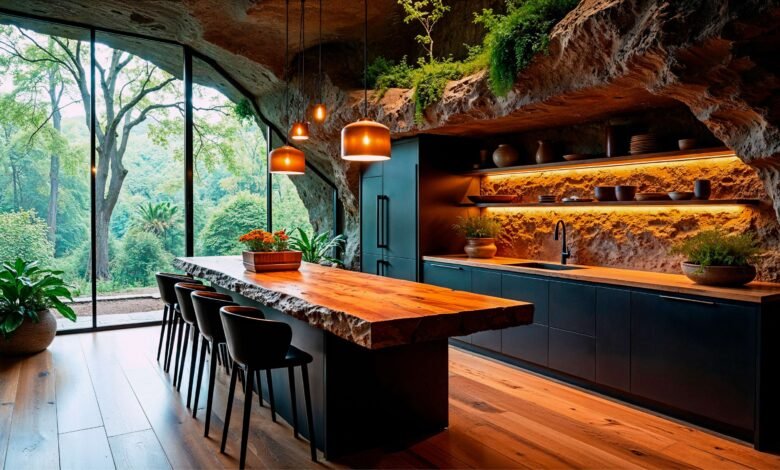
The restaurant industry in Abu Dhabi is highly competitive, with diners seeking not only exceptional food but also memorable experiences. Today, customers evaluate a restaurant based on its ambiance, comfort, aesthetics, and overall atmosphere. This is why restaurant interior design abu dhabi has become a critical factor in attracting guests and encouraging repeat visits. Many businesses work with interior design companies in uae to create environments that align with their brand identity while maximizing customer satisfaction and profitability.
A thoughtfully designed restaurant can influence customer behavior, increase the time guests spend dining, encourage social media sharing, and ultimately boost revenue. From lighting and seating arrangements to color schemes and space planning, every design element contributes to the overall dining experience.
The Growing Importance of Restaurant Interior Design
Modern diners expect more than just delicious meals. They seek a complete sensory experience that combines food, atmosphere, and comfort. Restaurant interiors have evolved from simple dining spaces into carefully curated environments that create emotional connections with customers.
When guests enter a restaurant, their first impression is often formed within seconds. A welcoming and visually appealing environment can immediately establish trust and excitement. This positive first impression often influences how customers perceive the quality of the food and service.
A well-designed restaurant can:
- Create a memorable customer experience
- Strengthen brand recognition
- Improve operational efficiency
- Encourage repeat visits
- Increase average spending per customer
- Generate positive online reviews
How Interior Design Influences Customer Behavior
Creating Emotional Connections
Design has a powerful psychological impact on human emotions. The colors, textures, lighting, and layout of a restaurant can evoke feelings of comfort, excitement, relaxation, or luxury.
Warm colors such as red, orange, and yellow can stimulate appetite and energy, while softer tones create a calm and sophisticated atmosphere. Strategic design choices help restaurant owners shape the emotional experience of their guests.
Encouraging Longer Visits
Comfortable seating, proper lighting, and thoughtful layouts encourage customers to stay longer. When guests feel relaxed and comfortable, they are more likely to order additional drinks, desserts, or appetizers.
Longer visits often translate into increased revenue, especially for restaurants that offer premium dining experiences.
Supporting Social Media Engagement
Today’s diners frequently share their experiences online. Restaurants with visually striking interiors often become popular on social media platforms. Attractive design features, unique décor elements, and Instagram-worthy spaces encourage guests to take photos and share them with their followers.
This user-generated content serves as free marketing and helps attract new customers.
The Role of Space Planning in Restaurant Success
Maximizing Seating Capacity
One of the primary goals of restaurant design is optimizing available space without compromising comfort. Efficient space planning ensures that the restaurant can accommodate more guests while maintaining a pleasant dining experience.
A balanced layout allows:
- Comfortable customer movement
- Efficient staff operations
- Better table turnover
- Improved accessibility
Enhancing Workflow Efficiency
The layout should support seamless communication between the kitchen, service staff, and customers. Proper workflow design reduces delays, improves service speed, and minimizes operational challenges.
When staff can move efficiently throughout the restaurant, customer satisfaction naturally improves.
Lighting as a Revenue-Generating Design Element
Setting the Right Mood
Lighting significantly influences how customers perceive a restaurant. Bright lighting may be suitable for casual dining establishments, while dim lighting often creates a more intimate atmosphere for fine dining.
Different lighting strategies can help restaurants:
- Create ambiance
- Highlight architectural features
- Showcase food presentation
- Improve customer comfort
Impact on Dining Experience
Proper lighting can make food appear more appetizing and visually appealing. Customers often associate attractive food presentation with higher quality, which can positively affect their overall dining experience.
Additionally, lighting can influence how long customers stay and how much they spend during their visit.
Choosing the Right Color Palette
Psychological Effects of Colors
Colors influence mood, behavior, and purchasing decisions. Restaurant owners carefully select color schemes based on their target audience and brand identity.
Common color associations include:
- Red: Energy and appetite stimulation
- Orange: Warmth and friendliness
- Yellow: Happiness and positivity
- Green: Freshness and health
- Blue: Calmness and sophistication
Aligning Colors with Brand Identity
Consistency between interior colors and branding helps create a cohesive customer experience. Customers are more likely to remember a restaurant when its visual identity is strong and recognizable.
This is one reason why many businesses consult restaurant interior design abu dhabi specialists to develop customized design concepts that reflect their unique vision.
The Importance of Comfortable Seating
Improving Customer Satisfaction
Comfortable seating directly impacts customer satisfaction. Guests who feel physically comfortable are more likely to enjoy their dining experience and return in the future.
Factors to consider include:
- Seat cushioning
- Table height
- Legroom
- Seating variety
- Ergonomic design
Supporting Different Dining Preferences
Restaurants often serve diverse customer groups, including families, couples, professionals, and large gatherings. Offering a variety of seating options helps accommodate different preferences and needs.
Flexible seating arrangements can also support private events and special occasions.
Acoustic Design and Customer Experience
Reducing Noise Levels
Noise can significantly affect the dining experience. Excessive sound levels may make conversations difficult and reduce overall customer satisfaction.
Acoustic design solutions include:
- Sound-absorbing materials
- Upholstered furniture
- Acoustic ceiling panels
- Decorative wall treatments
Creating a Relaxing Environment
Balanced acoustics contribute to a comfortable atmosphere where customers can enjoy their meals and conversations without distractions.
Restaurants that prioritize acoustic comfort often receive higher customer satisfaction ratings.
The Power of Unique Design Features
Creating Memorable Experiences
Distinctive design elements help restaurants stand out in a crowded market. Unique features can become defining characteristics that customers remember and recommend to others.
Examples include:
- Artistic wall installations
- Statement lighting fixtures
- Open kitchen concepts
- Custom furniture
- Interactive design elements
Building Brand Recognition
A recognizable interior design style strengthens brand identity and helps customers associate specific experiences with the restaurant.
Strong branding through design supports long-term business growth and customer loyalty.
Integrating Technology into Restaurant Design
Enhancing Convenience
Modern restaurant interiors increasingly incorporate technology to improve convenience and efficiency.
Examples include:
- Digital menu displays
- Self-ordering kiosks
- Mobile charging stations
- Smart lighting systems
- Automated reservation systems
Improving Operational Efficiency
Technology integration can streamline operations, reduce wait times, and improve service quality. These improvements contribute to better customer experiences and increased profitability.
Many interior design companies in uae now incorporate smart technology solutions as part of comprehensive restaurant design strategies.
Sustainability in Restaurant Interior Design
Meeting Customer Expectations
Consumers are becoming increasingly environmentally conscious. Sustainable design practices can enhance a restaurant’s reputation and appeal to eco-conscious diners.
Popular sustainable features include:
- Energy-efficient lighting
- Recycled materials
- Water-saving fixtures
- Sustainable furniture
- Indoor greenery
Reducing Operating Costs
Sustainable design solutions often lead to lower utility bills and maintenance expenses. These long-term savings contribute directly to increased profitability.
Additionally, environmentally responsible practices can become a valuable marketing advantage.
Designing for Different Restaurant Concepts
Fine Dining Restaurants
Fine dining establishments typically emphasize elegance, luxury, and exclusivity. Design elements often include:
- Premium materials
- Sophisticated lighting
- Private dining areas
- Refined color palettes
Casual Dining Restaurants
Casual restaurants prioritize comfort and accessibility. Common features include:
- Flexible seating
- Bright interiors
- Family-friendly layouts
- Relaxed atmospheres
Café and Bistro Concepts
Cafés often focus on creating cozy environments that encourage longer visits. Design considerations may include:
- Comfortable lounge seating
- Natural lighting
- Warm color schemes
- Community-focused spaces
Customer Retention Through Interior Design
Creating Positive Memories
Customers often remember how a restaurant made them feel. Interior design plays a significant role in shaping those memories.
A pleasant environment encourages:
- Repeat visits
- Positive reviews
- Word-of-mouth referrals
- Stronger brand loyalty
Increasing Perceived Value
A professionally designed restaurant can justify premium pricing by enhancing the overall customer experience. Guests are often willing to spend more when they perceive greater value in their surroundings.
This relationship between ambiance and spending behavior demonstrates why investing in professional design can generate substantial returns.
Future Trends in Restaurant Interior Design
The restaurant industry continues to evolve, and interior design trends are changing accordingly. Emerging trends include:
- Biophilic design with natural elements
- Flexible dining spaces
- Personalized customer experiences
- Smart technology integration
- Sustainable materials
- Multifunctional layouts
Restaurants that embrace these innovations can stay competitive and continue attracting modern diners.
Final Thoughts
Restaurant design is far more than decoration. It is a strategic business tool that directly influences customer satisfaction, operational efficiency, brand perception, and revenue generation. From lighting and acoustics to seating and space planning, every design decision contributes to the overall dining experience.
As competition continues to grow in Abu Dhabi’s hospitality sector, investing in professional restaurant interior design abu dhabi solutions can provide a significant competitive advantage. By creating inviting, functional, and memorable spaces, restaurants can attract more customers, encourage repeat visits, and increase profitability over the long term.
Working with experienced interior design companies in uae allows restaurant owners to develop customized environments that reflect their brand values while meeting the expectations of today’s discerning diners. When design and functionality come together successfully, the result is a restaurant experience that benefits both customers and business owners alike.