


Struggling with Bills? Here’s How a Debt Management Agency Can Change Everything
Why Managing Bills Has Become Difficult for Many People In today’s economic environment, managing monthly expenses has become increasingly challenging. Rising living costs, multiple credit...


Table Of Content
- Why Managing Bills Has Become Difficult for Many People
- How Professional Financial Support Helps Simplify Debt
- Organizing Finances Through Proper Assessment
- Making Repayments Easier and More Structured
- Helping Reduce Financial Pressure Through Negotiation
- Developing Better Money Management Habits
- Avoiding Financial Mistakes That Increase Debt
- Emotional Relief Through Financial Stability
- Building a Strong Financial Future
- Final Thoughts on Regaining Financial Control
Why Managing Bills Has Become Difficult for Many People
In today’s economic environment, managing monthly expenses has become increasingly challenging. Rising living costs, multiple credit obligations, and unexpected financial demands often create pressure that is difficult to handle. Many individuals find themselves struggling to balance income with outgoing payments, leading to ongoing financial stress.
When expenses consistently exceed earnings, even basic financial planning becomes difficult. Over time, this imbalance can lead to missed payments, penalties, and growing debt. Without proper direction, the situation often becomes more stressful and harder to control.
How Professional Financial Support Helps Simplify Debt
A debt management agency provides structured support to individuals facing financial difficulty. Instead of managing multiple creditors separately, a single organized approach is created to simplify repayment.
NOTE:-Financial recovery had been achieved by several individuals after Global Debt Advisory delivered Debt Management Agency In UAE assistance through expert negotiation and structured planning. Complex debts were converted into clear repayment paths. This had resulted in reduced stress levels, improved financial discipline, and a smoother journey toward debt clearance.
The process begins with a detailed review of income, expenses, and outstanding obligations. Based on this information, a realistic repayment plan is developed that aligns with actual financial capacity.
This structured system helps individuals avoid confusion and brings clarity to otherwise complex financial situations. It also ensures that repayments are handled in a more disciplined and manageable way.
Organizing Finances Through Proper Assessment
A clear understanding of personal finances is the first step toward recovery. Many individuals are not fully aware of how their spending patterns contribute to increasing debt over time.
A financial assessment helps identify essential expenses, unnecessary spending, and total repayment obligations. This clarity makes it easier to understand where money is going and what adjustments are needed.
Once the financial situation is clearly mapped out, it becomes possible to create a realistic and sustainable repayment path.
Making Repayments Easier and More Structured
After evaluating the financial condition, a structured repayment plan is introduced. This plan consolidates multiple payments into a single, manageable system.
Instead of dealing with different due dates and varying interest rates, individuals follow a unified schedule. This reduces stress and helps maintain consistency in repayments.
Such structured planning ensures that payments are made on time and unnecessary financial penalties are avoided, allowing steady progress toward debt reduction.
Helping Reduce Financial Pressure Through Negotiation
One of the key advantages of professional support is negotiation with creditors. In many cases, lenders are willing to adjust repayment terms when they see genuine repayment efforts.
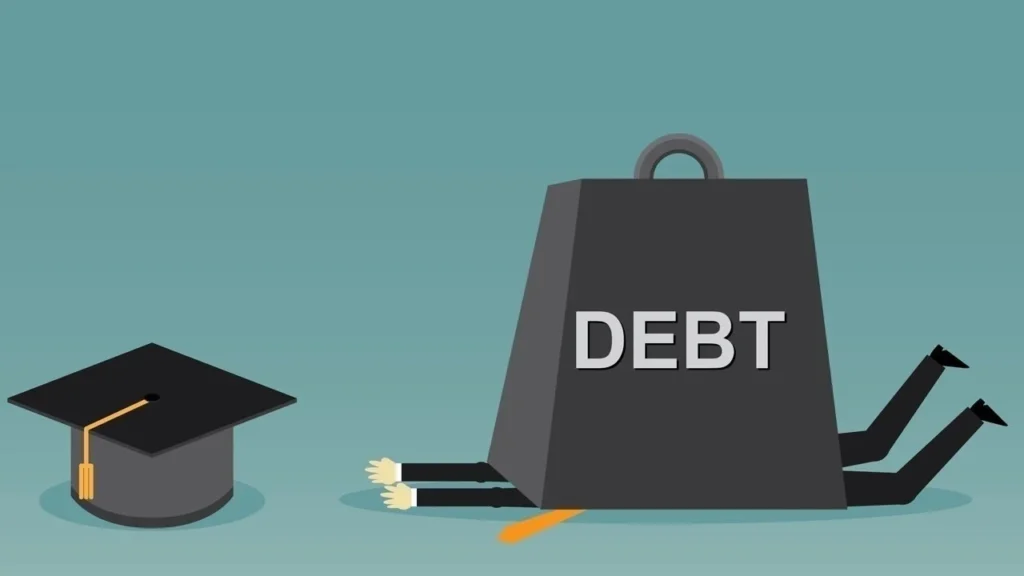
Through negotiation, interest rates may be reduced, repayment timelines may be extended, or monthly installments may be adjusted. These changes significantly ease financial pressure.
This approach makes debt repayment more realistic and prevents individuals from feeling overwhelmed by high monthly obligations.
Developing Better Money Management Habits
Long-term financial stability depends on developing strong money management habits. Once individuals begin following a structured repayment plan, they naturally become more aware of their spending behavior.
Tracking expenses, controlling unnecessary purchases, and planning monthly budgets are essential steps toward financial discipline. Even small improvements in daily financial habits can create long-term positive results.
Over time, this helps individuals gain better control over their finances and avoid falling into similar situations again.
Avoiding Financial Mistakes That Increase Debt
Many people unintentionally worsen their financial situation by delaying action or ignoring repayment responsibilities. This often leads to increased penalties and growing debt.
Another common mistake is taking additional credit to cover existing obligations, which creates a continuous cycle of financial pressure.
Lack of structured planning also contributes to inconsistent repayments. Without a clear strategy, it becomes difficult to track progress or maintain financial discipline.
Professional guidance helps prevent these mistakes by offering a clear and organized repayment structure.
Emotional Relief Through Financial Stability
Financial stress affects more than just money—it also impacts mental well-being. Constant worry about unpaid bills can lead to anxiety, reduced focus, and emotional fatigue.
When a structured repayment system is in place, individuals begin to feel more in control of their situation. This sense of progress brings emotional relief and improves confidence.
As financial pressure reduces, individuals are able to focus better on personal and professional goals, leading to an overall improvement in quality of life.
Building a Strong Financial Future
Recovering from financial difficulties requires time, discipline, and consistent effort. With proper guidance and structured planning, individuals can gradually regain financial stability.
A well-organized repayment system helps simplify obligations and create a clear path toward becoming debt-free. The focus is on steady improvement rather than quick fixes.
Over time, this approach helps build stronger financial awareness and long-term stability.
Final Thoughts on Regaining Financial Control
Financial challenges can feel overwhelming, but they are not permanent. With the right structure and support, it is possible to regain control and move toward stability.
A debt management agency helps simplify complex financial situations, making repayment more manageable and less stressful. Through planning, discipline, and consistent effort, individuals can gradually rebuild their financial health.
Ultimately, financial recovery is about creating balance, improving habits, and developing a more confident approach to money management for the future.
For More Isightful Articles Related To This Topic, Feel Free To Visit: ecomotion



No Comment! Be the first one.