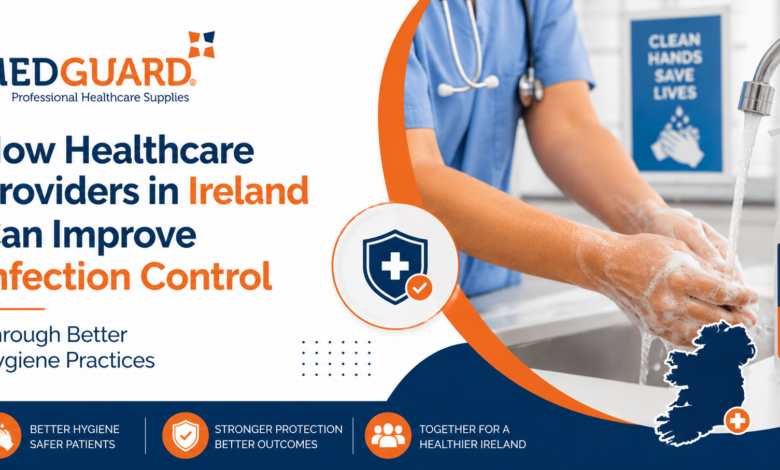
Healthcare providers in Ireland still have infection prevention at the top of their list of priorities. Whether in a hospital or GP surgery, in a community care home, or a dental practice, good hygiene is essential in safeguarding patients, health care workers and visitors.
HAI can affect patient recovery, add to healthcare costs and add to strain on healthcare services. Improved medical care has helped to enhance the prognosis for patients, but sanitation is the first step in proper infection control.
Enacting strong hygiene measures and providing access to suitable hygiene materials can help minimize the risk of spreading infection and make healthcare facilities safer for all involved.
Why Infection Control is Important in Healthcare Settings
In some cases, the people who might be susceptible to infection are those who are sick, elderly, had surgery, or have compromised immune systems, which is common in hospital settings. Infection prevention is an integral part of normal healthcare practice.
Effective infection control helps:
- Prevent unnecessary infections in patients
- Decrease patient length of stay and the time for recovery
- Reduce healthcare-associated complications
- The safety and wellbeing of support staff (including First Aid)
- Ensure public trust in health care services
- Advocate for adherence to health care laws and regulations
Infection prevention doesn’t just happen in the hospital. The role of community healthcare facilities, care homes, clinics, pharmacies and home care providers are all important in minimising infection risks.
The Cornerstone of Successful Infection Control
The key factors for successful infection control are policies, staff training, environmental hygiene, and the availability of proper hygiene products.
Although any one of these measures alone may not be a foolproof method of completely averting the possibility of infection, its application in combination with others may help to greatly minimize the chance of introducing harmful microorganisms.
There are several crucial areas where healthcare providers can improve their infection control practices.
Prioritising Hand Hygiene
Hand hygiene is still one of the best ways to help prevent the spread of infections in the healthcare environment.
Healthcare workers touch many high-touch surfaces, patients and equipment throughout the day. Microorganisms can be readily spread from person to person and from environment to person if good hand washing is not practiced.
Best Practices Include:
- Hand washing with soap and water regularly
- Appropriate use of alcohol-based hand sanitisers
- In line with hand hygiene guidelines
- Supporting patients and visitors’ role in hand hygiene programmes
- Making hand hygiene stations conveniently located within facilities
A hand hygiene culture is a culture that places hand hygiene as a primary focus for infection prevention, which can make a big difference in infection prevention outcomes.
Maintaining Clean and Sanitised Surfaces
There are many surfaces in healthcare settings that are “high touch” and can become contaminated if not cleaned correctly.
Examples Include:
- Door handles
- Bed rails
- Workstations
- Medical equipment
- Waiting room furniture
- Light switches
- Reception counters
The areas should be cleaned and disinfected as per the routine cleaning and disinfecting programme and the programme should be monitored to ensure that the areas are properly cleaned and disinfected.
Appropriate sanitation products and cleaners can help minimize the spread of microorganisms and promote a safer healthcare environment.
Providing Support for Staff Training and Education
The most effective infection control policies will only be effective if staff are aware of them and adhere to them on a regular basis.
Continuous learning helps to keep health care workers informed of:
- Current infection control guidelines (CDC)
- Correct use of PPE
- The procedures for the cleaning and disinfection of the premises
- Hand hygiene requirements
- Waste management practices
- Cross-contamination prevention techniques
Scheduling of regular training sessions also helps to strengthen the value of high standards in all aspects of healthcare delivery.
The more confident staff are in their knowledge and responsibilities, the more effective and sustainable are the infection control measures.
Wearing Suitable Personal Protective Equipment
Personal protective equipment (PPE) is still a vital component of infection prevention in many healthcare environments.
PPE Can Include:
- Disposable gloves
- Face masks
- Protective gowns
- Aprons
- Eye protection
Wearing the correct PPE reduces risks of exposure and promotes patient and staff safety.
Healthcare facilities should ensure that PPE is readily available, properly worn and regularly replenished to ensure readiness and compliance.
Strengthening Environmental Hygiene
Cleaning is not the only part of environmental hygiene. It is about establishing systems that promote cleanliness, and minimise contamination possibilities.
Examples Include:
- Appropriate disposal of waste materials
- Appropriate storage of medical supplies
- Regular equipment maintenance
- Effective laundry management
- Cleaning schedules for shared areas as necessary
Adopting proactive measures in managing environmental hygiene can help in minimizing the risk of infections and enhance the overall efficiency of the healthcare environment.
The Importance of High-Quality Hygiene Products
Good hygiene products are the foundation of many infection control measures.
Healthcare facilities rely on the following products:
- Hand sanitisers
- Surface disinfectants
- Disposable gloves
- Cleaning wipes
- Protective apparel
- Hygiene consumables
Selecting quality hygiene products can assist healthcare providers in maintaining quality standards and in their daily efforts of infection prevention.
Having reliable supplies will make it possible for staff to work safely and effective without interruption.
Establishing a Culture of Infection Prevention
Infection control should not be considered a discrete activity. Rather, it should be a part of the culture of all healthcare organisations.
A culture of this sort can be fostered by leaders by doing the following:
- Promoting accountability
- Supporting staff education
- Investing in suitable resources
- Monitoring compliance
- Recognising good hygiene practices
- Regularly checking and reviewing infection control procedures
Coordinated infection prevention efforts are more likely to keep healthcare facilities delivering high-quality care.
Looking Ahead
Infection control will continue to be an important aspect of patient safety and quality healthcare as services continue to develop throughout Ireland.
Strongened hand hygiene, environmental hygiene, proper staff training, and access to proper hygiene products can enhance healthcare providers’ infection prevention measures and make health care services safer.
Every little bit helps over time, and this helps to keep patients safe, healthcare workers safe and improves healthcare outcomes across Ireland.