





Unlocking Southern Africa’s Riches: The Ultimate Guide to Gold Detectors in Zimbabwe
Zimbabwe is a country blessed with phenomenal natural beauty, a vibrant culture, and some of the richest mineral deposits on the African continent. For decades, the nation’s geological...

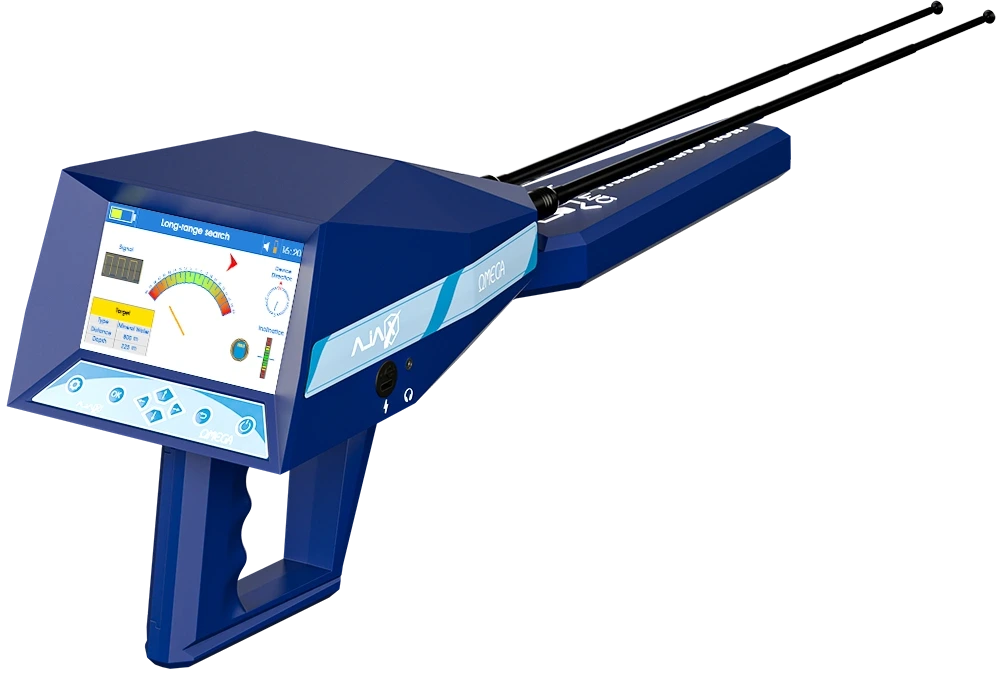
Table Of Content
- Why Zimbabwe is a Gold Prospector’s Paradise
- The Famous Greenstone Belts
- Rich Alluvial Waterways
- Key Features to Look For in a Gold Detector
- 1. High Frequency Sensing
- 2. Advanced Ground Balancing
- 3. Precision Discrimination and Target ID
- Understanding Different Types of Detection Technology
- Very Low Frequency (VLF) Systems
- Pulse Induction (PI) Systems
- 3D Ground Imaging Scanners
- Smart Strategies for High Yield Field Exploration
- Sourcing Your Equipment from Trusted Global Specialists
- Conclusion
- Frequently Asked Questions (FAQs)
- What is the advantage of using a Pulse Induction (PI) detector?
- Can beginners easily learn how to use a 3D ground scanner?
- Does a gold detector find other valuable metals?
- How deep can a professional earth scanner see?
Zimbabwe is a country blessed with phenomenal natural beauty, a vibrant culture, and some of the richest mineral deposits on the African continent. For decades, the nation’s geological formations have drawn the attention of researchers, professional mining groups, and thousands of enthusiastic artisanal prospectors. The rich greenstone belts stretching across the land are world-famous for containing high-grade mineral veins and alluvial deposits along winding riverbeds. With so much hidden wealth waiting just beneath the surface, field exploration has become a highly popular and profitable pursuit. To truly succeed in this competitive environment, having access to advanced subsurface scanning technology is the absolute key to finding success. For anyone ready to embark on this thrilling adventure or looking to upgrade their current field setup, exploring the top choices for Gold detectors in Zimbabwe ensures your field trips are powered by the world’s most accurate tracking tools.
With a high-quality device on your side, the expansive bushvelds and mountain valleys transform into landscapes of immense opportunity. Modern treasure hunting and mineral tracking technology have evolved tremendously, making it easier than ever for beginners and seasoned prospectors alike to scan deep through tough soil layers and secure valuable targets with total confidence.
Why Zimbabwe is a Gold Prospector’s Paradise
The unique geological history of the region makes it an absolute hotspot for metal detection and mineral scouting.
The Famous Greenstone Belts
A vast majority of the regional gold deposits are found within ancient rock formations known as greenstone belts. These areas feature highly concentrated veins of precious metals that have been pushing toward the surface over millions of years, making them highly accessible to modern electronic sensing devices.
Rich Alluvial Waterways
Seasonal rains regularly wash precious particles down from the mountain ranges into local streams, rivers, and dry valleys. These alluvial spots are incredibly fruitful for independent prospectors using waterproof search coils to scan shallow waters and gravel beds where heavy metals naturally settle.
Key Features to Look For in a Gold Detector
Selecting the right machine requires understanding the specific technical features that can handle unique soil profiles and maximize your efficiency in the field.
1. High Frequency Sensing
Gold is a highly conductive metal, but tiny flakes and deep-seated nuggets require specific electromagnetic frequencies to be noticed. Devices that operate at higher frequencies are exceptionally sensitive to small precious particles that standard, low-frequency consumer machines completely miss.
2. Advanced Ground Balancing
The soil in mineral-rich areas often contains high levels of iron mineralization, hot rocks, and red clay. Advanced ground balancing filters out these natural ground noises so your machine stays completely quiet until it passes over genuine precious targets.
3. Precision Discrimination and Target ID
To save time and energy, a quality detector must have excellent discrimination capabilities. This feature allows you to filter out common metallic trash like rusty nails, wire pieces, and foil, letting you focus your digging efforts exclusively on valuable items.
Understanding Different Types of Detection Technology
To choose the perfect instrument for your specific goals, it helps to break down the primary types of technology available today.
Very Low Frequency (VLF) Systems
VLF systems are highly popular because they are versatile, lightweight, and easy to operate. They use two distinct coils to transmit and receive signals, providing outstanding sensitivity for jewelry pieces, surface coins, and shallow gold nuggets.
Pulse Induction (PI) Systems
PI machines use a single coil to send powerful, rapid magnetic pulses deep into the ground. They are famous for their ability to ignore heavy ground mineralization completely and reach impressive depths, making them a favorite for serious prospectors searching for large, deep-seated deposits.
3D Ground Imaging Scanners
For professional operators and archaeological teams looking for massive treasures or underground cavities, 3D imaging scanners represent the pinnacle of modern engineering. These devices scan the earth and generate a multi-dimensional visual map directly on a screen, revealing the exact shape, size, and depth of an item before digging begins.
Smart Strategies for High Yield Field Exploration
Success in the field involves a combination of high-tech gear and smart habits during your hunting sessions.
- Follow Natural Waterways: Heavy precious metals naturally settle in low points. Old riverbeds, streams, and valleys are excellent places to begin scanning.
- Use the Grid Search Method: Divide your chosen location into straight, overlapping lines. Walking a structured grid ensures you cover every square inch systematically.
- Incorporate a Handheld Pinpointer: Once your main detector locates a target, a small handheld pinpointer helps you locate the exact spot within the loose dirt in seconds.
Sourcing Your Equipment from Trusted Global Specialists
When investing in high-end hobby or professional exploration gear, sourcing your devices from an authorized international dealer ensures you receive genuine warranties and expert technical support. Many successful prospectors choose to purchase from top-tier suppliers who understand the unique soil profiles of the African continent. For a premium shopping experience and access to the latest international tracking innovations, exploring the elite inventory of Gold detectors in Harare allows you to acquire top-tier equipment backed by dedicated industry experts who can guide you toward the perfect setup.
Conclusion
The pursuit of hidden treasures and mineral wealth in Zimbabwe is an exciting venture that combines outdoor adventure with the true thrill of discovery. Equipping yourself with advanced sensing technology transforms your exploration efforts, providing clarity and confidence with every step you take. By choosing a machine with proper ground balancing, understanding the best terrain strategies, and working with reputable global distributors, you set yourself up for unmatched success. The earth is full of magnificent secrets, and your next major discovery is simply waiting for the right signal.
Frequently Asked Questions (FAQs)
What is the advantage of using a Pulse Induction (PI) detector?
Pulse Induction detectors excel at ignoring heavy mineralization and iron stone in the soil, allowing you to achieve maximum detection depth where standard machines face interference.
Can beginners easily learn how to use a 3D ground scanner?
Yes, modern 3D scanners feature highly intuitive, color-coded visual menus and automated calibration settings, making them easy to master with a bit of practice.
Does a gold detector find other valuable metals?
Absolutely. Most modern detectors are multi-purpose instruments that can easily identify silver, copper, bronze, and ancient coins alongside gold.
How deep can a professional earth scanner see?
Detection depth depends on the technology used and target size. While standard handheld units look down a few feet, professional 3D ground scanners can reach depths of several meters to find larger caches.



No Comment! Be the first one.