





What to Expect From a Lifeguard Class Before You Enroll
If you’ve been searching for information about a Lifeguard Class, you’re likely interested in becoming a certified lifeguard, improving your water safety skills, or finding a rewarding...

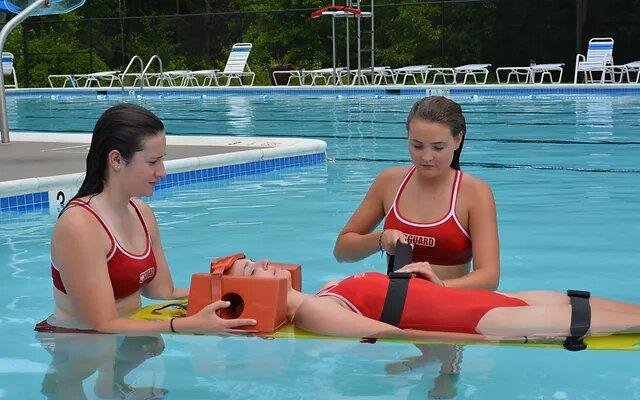
Table Of Content
- What Is a Lifeguard Class?
- Why Do People Take a Lifeguard Class?
- Who Can Join a Lifeguard Class?
- How Does a Lifeguard Class Begin?
- What Topics Are Covered in a Lifeguard Class?
- Water Rescue Techniques
- CPR Training
- First Aid Skills
- Surveillance and Prevention
- How Long Does a Lifeguard Class Take?
- How Much Does a Lifeguard Class Cost?
- What Certifications Are Earned After Completing a Lifeguard Class?
- What Jobs Can You Get After a Lifeguard Class?
- What Makes a Great Lifeguard?
- How Should You Prepare for a Lifeguard Class?
- Final Thoughts
If you’ve been searching for information about a Lifeguard Class, you’re likely interested in becoming a certified lifeguard, improving your water safety skills, or finding a rewarding job opportunity. Lifeguarding is more than watching swimmers from a chair. It requires specialized training, quick decision-making, and the ability to respond confidently during emergencies.
A professional Lifeguard Class teaches participants how to prevent accidents, perform water rescues, administer first aid, and provide CPR when needed. Whether you’re a student seeking a seasonal job or someone interested in aquatic safety, understanding what a Lifeguard Class includes can help you prepare for success.
What Is a Lifeguard Class?
A Lifeguard Class is a structured training program designed to prepare individuals for the responsibilities of supervising aquatic environments. These classes combine classroom learning, practical rescue exercises, and emergency response training.
Participants learn how to:
- Identify potential hazards in and around water
- Prevent accidents before they occur
- Perform effective water rescues
- Provide CPR and first aid
- Respond to emergency situations
- Work as part of a rescue team
Most Lifeguard Class programs follow standards established by recognized organizations such as the American Red Cross, American Lifeguard Association, or other accredited aquatic safety providers.
Why Do People Take a Lifeguard Class?
People enroll in a Lifeguard Class for many reasons. Some want to qualify for employment at pools, beaches, or water parks. Others want to gain life-saving skills that can be useful in everyday situations.
Common benefits include:
- Earning a respected certification
- Learning emergency response techniques
- Building confidence in and around water
- Developing leadership skills
- Improving communication abilities
- Creating opportunities for seasonal or full-time employment
The skills learned during a Lifeguard Class often remain valuable long after certification is completed.
Who Can Join a Lifeguard Class?
Most training providers have minimum eligibility requirements.
Typically, participants must:
- Be at least 15 years old
- Demonstrate basic swimming proficiency
- Pass a pre-course swimming assessment
- Meet physical fitness standards
Some advanced programs may require stronger swimming abilities, especially for ocean, waterfront, or water park positions.
How Does a Lifeguard Class Begin?
Before formal instruction starts, participants usually complete a swimming skills evaluation. This assessment helps instructors verify that students possess the necessary water competency.
The evaluation may include:
- Swimming a designated distance continuously
- Treading water for a specific amount of time
- Retrieving an object from deep water
- Demonstrating endurance and control
Passing the swim assessment is generally required before continuing with the course.
What Topics Are Covered in a Lifeguard Class?
A comprehensive Lifeguard Class covers several critical areas of aquatic safety.
Water Rescue Techniques
Students learn how to recognize distressed swimmers and perform safe rescues. Training often includes:
- Active victim rescues
- Passive victim rescues
- Deep-water rescues
- Multiple-victim scenarios
- Spinal injury management
Practical exercises help participants gain confidence in real-world situations.
CPR Training
Cardiopulmonary Resuscitation (CPR) is one of the most important skills taught during a Lifeguard Class.
Participants learn:
- Adult CPR
- Child CPR
- Infant CPR
- Rescue breathing techniques
- AED operation
These skills enable lifeguards to provide immediate care during life-threatening emergencies.
First Aid Skills
Many emergencies occur outside the water. A Lifeguard Class prepares students to respond appropriately by teaching:
- Bleeding control
- Shock management
- Fracture stabilization
- Burn treatment
- Choking response
- Medical emergency assessment
These skills help lifeguards provide critical assistance until professional medical personnel arrive.
Surveillance and Prevention
One of the most overlooked responsibilities of lifeguards is accident prevention.
Students learn how to:
- Monitor swimmers effectively
- Identify risky behavior
- Enforce facility safety rules
- Recognize warning signs of distress
- Maintain constant situational awareness
Prevention is often the most effective form of water safety.
How Long Does a Lifeguard Class Take?
The duration of a Lifeguard Class varies depending on the certification provider and course format.
Most programs require:
- 20 to 40 hours of instruction
- Multiple training sessions
- Written examinations
- Practical skills assessments
Some courses are completed over weekends, while others are spread across several weeks.
Blended learning programs may also include online coursework combined with in-person training sessions.
How Much Does a Lifeguard Class Cost?
The cost of a Lifeguard Class depends on several factors, including location and provider.
Typical expenses range from:
- $150 to $400 for standard certification programs
Some employers offer:
- Free training programs
- Tuition reimbursement
- Paid certification opportunities
Checking with local aquatic facilities can help reduce training expenses.
What Certifications Are Earned After Completing a Lifeguard Class?
Successful participants generally receive certifications in:
- Lifeguarding
- CPR
- AED usage
- First Aid
Certification validity periods vary but are commonly valid for two years. Lifeguards must usually complete recertification training before expiration to maintain active status.
What Jobs Can You Get After a Lifeguard Class?
Completing a Lifeguard Class can open doors to various employment opportunities.
Certified lifeguards commonly work at:
- Community pools
- Fitness centers
- Beaches
- Water parks
- Resorts
- Summer camps
- Recreation facilities
With experience, many lifeguards advance into supervisory or instructional positions.
What Makes a Great Lifeguard?
A Lifeguard Class teaches technical skills, but successful lifeguards also develop important personal qualities.
Employers often value:
- Responsibility
- Professionalism
- Strong communication
- Physical fitness
- Reliability
- Leadership
- Calm decision-making
These qualities help lifeguards perform effectively during routine operations and emergencies.
How Should You Prepare for a Lifeguard Class?
Preparing before your Lifeguard Class can improve your chances of success.
Helpful preparation steps include:
- Swimming regularly
- Practicing endurance exercises
- Learning basic water safety principles
- Improving cardiovascular fitness
- Reviewing CPR fundamentals
- Arriving ready to participate actively
Good preparation makes the learning process smoother and more enjoyable.
Final Thoughts
A Lifeguard Class provides far more than a certification card. It teaches life-saving techniques, strengthens leadership abilities, and creates opportunities for meaningful employment. From water rescues and CPR to accident prevention and emergency response, the skills gained through a Lifeguard Class can have a lasting impact on both personal and professional development.
For anyone interested in aquatic safety, public service, or building valuable life skills, enrolling in a Lifeguard Class is an excellent first step toward a rewarding and responsible role in the community.
Must Visit: Eco Motion



No Comment! Be the first one.