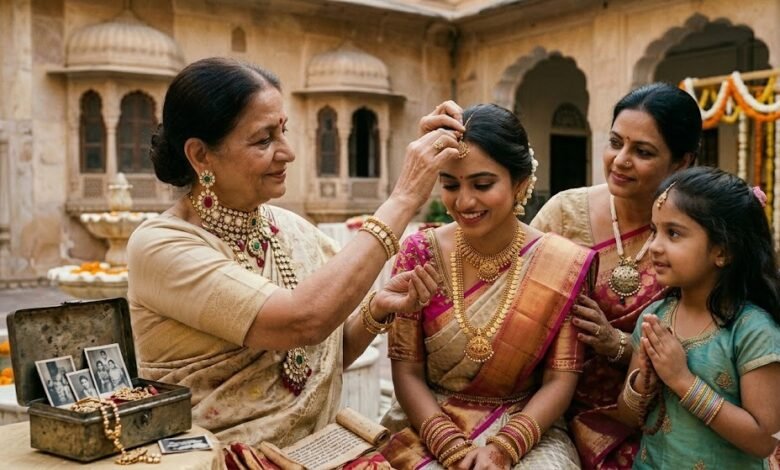
Jewellery has always been much more than a fashion accessory in India. For centuries, it has represented love, tradition, blessings, status, faith, and family heritage. While many people around the world wear ornaments for beauty and style, the purpose of jewellery in Indian culture goes much deeper. It carries emotional memories, spiritual significance, and cultural values that are passed down from one generation to another.
From gold necklaces gifted during weddings to sacred bangles worn during religious ceremonies, jewellery occupies a special place in Indian families. The importance of jewellery is reflected not only in celebrations and festivals but also in everyday life. It serves as a symbol of relationships, prosperity, and spiritual protection.
In this blog, we will explore why jewellery holds such strong emotional and spiritual value in Indian households and why it continues to remain an essential part of Indian traditions.
Jewellery as a Symbol of Family Heritage
One of the biggest reasons jewellery is emotionally valuable in Indian families is its connection to family history. Many ornaments are passed down through generations, becoming treasured heirlooms.
A grandmother’s necklace, a mother’s wedding bangles, or a family ring often carries stories and memories that cannot be measured by monetary value. These pieces remind family members of their ancestors and help preserve traditions.
The purpose of jewellery in such cases is not merely decorative. It acts as a bridge between generations, keeping family memories alive. When jewellery is inherited, it often becomes a symbol of love, respect, and family continuity.
Emotional Connection Through Special Occasions
Indian families associate jewellery with life’s most important milestones. Births, weddings, anniversaries, festivals, and religious ceremonies are often celebrated with the gifting of jewellery.
For example:
- Newborn babies may receive silver anklets or bracelets.
- Brides are adorned with elaborate jewellery during weddings.
- Parents gift gold ornaments to daughters as blessings for their future.
- Festivals such as Diwali and Akshaya Tritiya are considered auspicious times to buy jewellery.
These moments create strong emotional bonds with jewellery. Every piece becomes a reminder of a special occasion, making it priceless in the eyes of the wearer.
This emotional attachment highlights the importance of jewellery beyond its material worth.
Jewellery and Spiritual Beliefs in India
India has a rich spiritual tradition, and jewellery often plays a role in religious and spiritual practices. Many ornaments are believed to provide positive energy, protection, and blessings.
Some examples include:
- Mangalsutra symbolizes marital commitment and protection.
- Toe rings are traditionally worn by married women and are believed to have health and spiritual benefits.
- Rudraksha beads are associated with spiritual growth and devotion.
- Gold jewellery is often considered a symbol of purity and divine blessings.
The purpose of jewellery in these contexts is deeply spiritual. It serves as a reminder of faith and helps individuals feel connected to their religious beliefs.
Many families also believe that certain gemstones bring luck, prosperity, and protection from negative influences.
Jewellery as a Sign of Love and Relationships
In Indian culture, jewellery is often used to express affection and strengthen relationships. Giving jewellery is considered a meaningful gesture that symbolizes commitment, care, and blessings.
Wedding jewellery is perhaps the most powerful example. The ornaments gifted during marriage ceremonies are not merely decorations but symbols of lifelong bonds between families.
Similarly, jewellery gifted by parents, grandparents, spouses, or siblings often carries emotional significance. Such gifts become cherished possessions because they represent the love of the giver.
This emotional role demonstrates the true importance of jewellery in strengthening family connections and preserving relationships.
Cultural Identity and Traditions
India is known for its diverse cultures, and jewellery reflects this diversity beautifully. Different regions have unique jewellery styles that represent local traditions and customs.
For instance:
- Temple jewellery is popular in South India.
- Kundan jewellery is associated with Rajasthan.
- Polki jewellery reflects royal heritage.
- Tribal jewellery showcases indigenous craftsmanship.
Families take pride in preserving these traditional designs and passing them to future generations. Wearing cultural jewellery helps individuals stay connected to their roots and celebrate their heritage.
The purpose of jewellery in this context is to preserve cultural identity and honor traditions that have existed for centuries.
Jewellery and Women’s Empowerment
Historically, jewellery has also provided financial security for women in Indian families. Gold ornaments are often considered a form of personal wealth and economic protection.
Many families invest in jewellery because it can be passed on, sold, or used during financial emergencies. This practical value has contributed significantly to the importance of jewellery in Indian society.
For women, jewellery often symbolizes independence, security, and family support. It represents both emotional and financial strength.
The Role of Jewellery in Festivals and Rituals
Indian festivals are incomplete without jewellery. During celebrations, families wear special ornaments that symbolize prosperity, happiness, and good fortune.
Festivals such as:
- Diwali
- Navratri
- Durga Puja
- Pongal
- Onam
often involve wearing traditional jewellery as part of cultural customs.
Religious rituals also include jewellery offerings to deities. Gold and silver ornaments are commonly used to decorate idols in temples, symbolizing devotion and gratitude.
This spiritual aspect further reinforces the importance of jewellery in Indian life.
Jewellery as a Reflection of Blessings and Prosperity
Many Indian families view jewellery as a symbol of wealth and good fortune. Gold, in particular, is considered auspicious and is associated with prosperity and success.
Parents often purchase jewellery for their children not only as an investment but also as a blessing for a bright future. During weddings and important ceremonies, gifting jewellery signifies wishes for happiness, abundance, and well-being.
The purpose of jewellery here extends beyond ownership. It becomes a representation of hope, blessings, and positive intentions.
Why Emotional Value Surpasses Monetary Worth
Although jewellery can be expensive, its emotional value often exceeds its financial worth. A simple family heirloom may hold greater significance than a newly purchased ornament because of the memories attached to it.
People treasure jewellery because it reminds them of loved ones, important life events, and family traditions. These emotional connections make jewellery irreplaceable.
This is why many families continue to preserve old ornaments despite changing fashion trends. The emotional and spiritual meaning attached to them remains timeless.
Conclusion
The emotional and spiritual significance of jewellery in Indian families goes far beyond beauty and luxury. The purpose of jewellery has always been linked to love, faith, culture, family traditions, and personal identity. Whether passed down as a family heirloom, gifted during a special occasion, or worn as a symbol of devotion, jewellery carries deep meaning that connects generations.
The enduring importance of jewellery in India lies in its ability to preserve memories, strengthen relationships, celebrate culture, and express spiritual beliefs. As trends evolve and modern designs emerge, the emotional and spiritual value of jewellery continues to remain a cherished part of Indian family life.
For Indian families, jewellery is not just an ornament—it is a story, a blessing, and a legacy that lives on through generations.