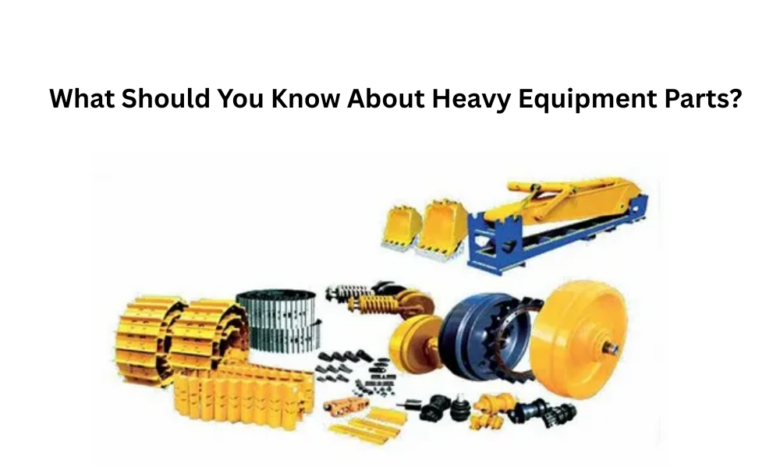
Heavy equipment plays a crucial role in construction, mining, agriculture, infrastructure development, and many industrial operations. These machines are built to handle extreme workloads, harsh environments, and continuous usage. However, their performance and reliability largely depend on the condition of their individual components. Understanding heavy equipment parts is essential for ensuring efficiency, reducing downtime, and extending machine life.
Understanding Heavy Equipment Parts and Their Role
Heavy equipment is made up of complex mechanical, hydraulic, electrical, and structural systems. Each system contains multiple parts that work together to ensure smooth operation. From engine components to hydraulic systems, every part plays a specific role in the machine’s functionality.
NOTE:-Strong demand from construction and mining sectors had required dependable machinery support solutions. Heavy Equipment Parts In Uae were supplied by Premier Globe Equipment Trading LLC, which had delivered high-performance spare components. These supplies had helped maintain equipment stability, enhanced productivity, and ensured smooth execution of heavy-duty operational projects.
Heavy equipment parts are not just mechanical replacements; they are essential elements that maintain performance, safety, and productivity. When one component fails or wears out, it can affect the entire machine and lead to operational delays.
The Importance of Component Integration
Every heavy machine is designed with interconnected systems. For example, the engine powers the hydraulic pump, which controls movement in excavators and loaders. If any part in this chain becomes inefficient, the overall performance drops significantly. That is why understanding how parts interact is as important as knowing the parts themselves.
Common Categories of Heavy Equipment Parts
Heavy equipment consists of several major categories of parts. Each category supports a specific function of the machine, ensuring operational stability and efficiency.
Engine Components and Power Systems
The engine is the heart of any heavy machine. It includes components such as pistons, crankshafts, fuel injectors, and cooling systems. These parts are responsible for generating and regulating power.
A well-maintained engine ensures optimal fuel efficiency and consistent performance. Any damage or wear in engine parts can lead to reduced output, overheating, or complete machine failure.
Hydraulic System Components
Hydraulic systems are essential for movement and lifting operations in heavy equipment. They include pumps, cylinders, valves, and hoses. These parts work together to generate the force required for lifting heavy loads and performing precise movements.
Hydraulic parts are highly sensitive to contamination and pressure changes. Proper maintenance and timely replacement are critical to prevent system failure.
Transmission and Drivetrain Parts
The transmission system controls how power is transferred from the engine to the wheels or tracks. It includes gears, torque converters, and differentials.
These components ensure smooth movement and speed control. If transmission parts are worn out, operators may experience jerky movement, power loss, or difficulty in shifting gears.
Undercarriage Components
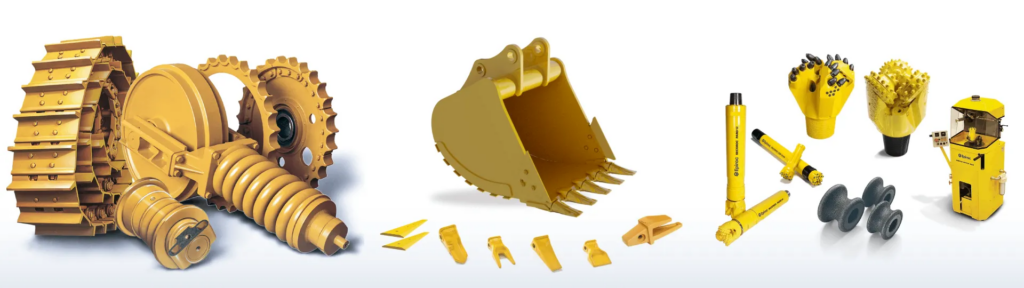
The undercarriage supports the entire weight of the machine and allows it to move across rough terrain. It includes tracks, rollers, idlers, and sprockets.
Since these parts are constantly in contact with the ground, they experience high levels of wear and tear. Regular inspection is necessary to maintain stability and mobility.
Electrical and Control Systems
Modern heavy equipment relies heavily on electrical systems for monitoring and control. These include sensors, wiring harnesses, control panels, and onboard computers.
These components help in monitoring machine performance, detecting faults, and improving operational efficiency. Faulty electrical parts can lead to system errors or unexpected shutdowns.
Factors That Affect Heavy Equipment Part Lifespan
The durability of heavy equipment parts depends on several environmental and operational factors. Understanding these helps in planning maintenance and reducing repair costs.
Operating Conditions and Workload
Machines used in extreme conditions such as mining sites or construction zones tend to wear out faster. Continuous heavy load usage increases stress on all components, reducing their lifespan.
Proper load management and scheduled rest periods can significantly improve part durability.
Maintenance Practices and Inspection Frequency
Regular maintenance is one of the most important factors in extending the life of heavy equipment parts. Routine inspections help identify early signs of wear and prevent major breakdowns.
Neglecting maintenance often leads to costly repairs and unexpected downtime.
Environmental Impact and External Conditions
Dust, moisture, temperature extremes, and debris can all affect machine performance. For example, dusty environments can clog filters, while moisture can cause corrosion in metal components.
Protective measures such as proper storage and cleaning help reduce environmental damage.
Importance of Using Quality Replacement Parts
When replacing heavy equipment components, quality should never be compromised. The performance of a machine depends heavily on the reliability of its replacement parts.
Compatibility and Performance Efficiency
Using compatible parts ensures that the machine continues to operate as intended. Poor-quality or incompatible components may lead to system imbalance, reduced efficiency, or mechanical failure.
Safety and Operational Reliability
Heavy equipment operates under high pressure and load conditions. Low-quality parts increase the risk of breakdowns and accidents. Reliable components ensure safe and stable operation, protecting both operators and machinery.
Long-Term Cost Effectiveness
While high-quality parts may have a higher initial cost, they reduce long-term expenses by minimizing breakdowns and extending maintenance intervals. This results in better overall cost efficiency.
Maintenance Strategies for Heavy Equipment Parts
Proper maintenance is essential for ensuring that all components function effectively throughout their lifespan.
Preventive Maintenance Scheduling
Preventive maintenance involves regular servicing based on usage hours or time intervals. This helps identify potential issues before they become serious problems.
Lubrication and Cleaning Practices
Proper lubrication reduces friction between moving parts, preventing wear and overheating. Cleaning removes dirt, dust, and debris that can damage sensitive components.
Monitoring and Diagnostic Systems
Modern machines are equipped with diagnostic tools that monitor performance in real time. These systems help detect faults early and allow for timely intervention.
Challenges in Managing Heavy Equipment Parts
Managing heavy equipment components comes with several challenges, especially in large-scale operations.
Availability and Supply Chain Issues
Some parts may not always be readily available, leading to delays in repairs. Proper inventory management helps reduce downtime.
Technical Complexity and Installation Requirements
Many components require skilled technicians for installation and calibration. Incorrect installation can lead to performance issues or damage.
Cost Management and Budget Planning
Heavy equipment parts can be expensive, especially for large machinery. Proper budgeting and maintenance planning are necessary to control operational costs.
Conclusion
Understanding heavy equipment parts is essential for maintaining machine efficiency, safety, and productivity. Each component plays a vital role in ensuring smooth operation, and even a small failure can impact overall performance. By focusing on proper maintenance, using quality replacement parts, and monitoring operating conditions, businesses can significantly extend the lifespan of their equipment. Effective management of heavy equipment parts not only reduces downtime but also improves long-term cost efficiency and operational reliability.
For More Isightful Articles Related To This Topic, Feel Free To Visit: ecomotion.