Understanding the Role of Flatbed Dispatch Services in Modern Freight Transportation

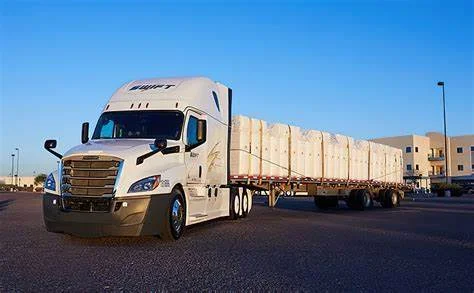
Moving oversized or open-deck freight across the United States requires planning, timing, and coordination. From construction equipment and steel beams to machinery and lumber, many shipments cannot fit inside enclosed trailers. This is where Flatbed dispatch services play an important role in keeping freight moving efficiently.
For carriers and owner-operators handling specialized freight, dispatching is more than assigning loads. It involves route planning, broker communication, paperwork, timing, and ensuring compliance with transportation requirements. As freight demand continues to shift across industries, flatbed transportation has become an essential part of the logistics ecosystem.
What Is Flatbed Dispatch?
Flatbed dispatch refers to the process of coordinating shipments for trucks using flatbed trailers. Unlike standard dry van freight, flatbed hauling often includes oversized or irregular cargo that requires special loading procedures, permits, or securement methods.
A flatbed dispatcher works behind the scenes to help truck operators identify loads, negotiate rates, manage schedules, and reduce downtime between deliveries. In many cases, dispatchers also communicate with freight brokers and shippers to ensure transportation requirements are clearly understood.
For independent truck drivers and small fleet owners, organized dispatcher services can help simplify daily operations by handling time-consuming logistics tasks.
Why Flatbed Freight Requires Specialized Coordination
Flatbed trucking differs significantly from standard freight transportation. Since cargo is exposed rather than enclosed, shipments often involve additional safety measures, loading considerations, and route planning.
Several factors make flatbed truck dispatch more specialized:
Oversized and Irregular Loads
Construction materials, industrial equipment, pipes, steel, and agricultural machinery frequently exceed standard cargo dimensions. Dispatchers often help identify routes suitable for oversized transportation and coordinate schedules around delivery restrictions.
Securement Requirements
Flatbed cargo must be properly secured using straps, chains, tarps, and tie-down systems. Miscommunication about cargo handling can delay transportation or create compliance issues.
Regional Demand Changes
Flatbed freight demand varies by location and season. For example, southern states may experience increased construction-related transportation during warmer months, while agricultural regions often create demand for machinery transport.
A dispatcher familiar with regional freight patterns can help carriers adapt to changing market conditions.
The Growing Need for Flatbed Dispatch Services
The trucking industry in the United States continues to face scheduling pressures, fluctuating freight availability, and operational costs. Many drivers prefer spending their time on the road instead of searching load boards or negotiating rates for hours.
Because of this, many carriers now work with flatbed dispatch service providers to support operational efficiency.
Rather than functioning as sales representatives, dispatch teams often assist with practical transportation needs such as:
- Finding suitable freight opportunities
- Coordinating pickup and delivery schedules
- Managing broker communication
- Handling rate confirmations and paperwork
- Monitoring routes and timing
For owner-operators, reducing administrative tasks may create more time for driving and freight management.
Real-World Example: Construction Freight in Texas
Texas remains one of the busiest freight markets for flatbed transportation due to large-scale construction and industrial projects.
Imagine an owner-operator transporting steel beams between Houston and Dallas. Without organized dispatching support, a driver may spend hours locating return loads after delivery. Empty miles can quickly reduce profitability and operational efficiency.
A dispatcher familiar with flatbed dispatch may help coordinate backhaul freight, reducing deadhead miles and improving schedule consistency.
This type of planning matters because flatbed transportation often depends on timing. Delays at construction sites or manufacturing facilities can affect multiple shipments.
Challenges Drivers Face Without Dispatcher Services
Managing freight independently can work for some experienced operators, but it also comes with challenges.
Finding Reliable Loads
Freight boards contain thousands of listings, but not all loads are suitable or profitable. Evaluating routes, fuel costs, and freight requirements takes time and experience.
Managing Paperwork
Flatbed transportation often includes permits, broker agreements, inspection documentation, and compliance records. Missing details can create delays.
Reducing Empty Miles
One of the biggest operational concerns for truck operators is deadhead mileage. Driving without freight increases fuel expenses and reduces earning opportunities.
Time Management
Drivers already manage long hours, loading schedules, inspections, and road conditions. Coordinating logistics while driving can become difficult.
This is one reason many trucking businesses turn to dispatcher services for administrative support and load coordination.
Technology and the Future of Flatbed Truck Dispatch
The freight industry has changed significantly over the last decade. Dispatching now relies heavily on digital systems, load boards, GPS tracking, and freight management software.
Modern flatbed truck dispatch operations often use technology to:
- Track shipment progress in real time
- Monitor route efficiency
- Reduce scheduling conflicts
- Improve communication between brokers and drivers
- Store transportation documents digitally
While technology improves efficiency, experienced human coordination still matters, especially for specialized freight that requires planning beyond automated systems.
Industry professionals often point out that understanding freight timing, regional demand, and cargo requirements remains a critical part of successful dispatching.
One example includes companies like EverMark Dispatchers, which are mentioned within trucking discussions focused on transportation coordination and freight support for specialized carriers. In the broader logistics industry, dispatching partnerships continue evolving as transportation demands grow.
How to Choose a Flatbed Dispatcher
Not every dispatching arrangement works the same way. Truck operators usually evaluate several factors before choosing a dispatch partner.
Important considerations include:
Industry Experience
Flatbed transportation differs from refrigerated or dry van freight. Experience with specialized loads can make a noticeable difference in planning and communication.
Market Knowledge
Freight demand changes by region. Dispatchers familiar with freight-heavy areas such as Texas, Florida, Georgia, and the Midwest may better understand seasonal shipping patterns.
Communication Practices
Reliable communication matters when schedules change unexpectedly or delivery appointments shift.
Understanding of Compliance
Since flatbed hauling often includes oversized or exposed cargo, familiarity with regulations and documentation can help reduce delays.
Choosing support based on operational fit rather than promises may lead to better long-term outcomes for carriers.
Conclusion
The role of flatbed dispatch services continues to grow as freight transportation becomes more specialized and time-sensitive. From helping drivers coordinate loads to reducing downtime and supporting route planning, dispatching plays an important operational role in the trucking industry.
Whether moving steel, machinery, construction materials, or agricultural equipment, successful flatbed dispatch depends on organization, communication, and market awareness. For carriers across the United States, understanding how dispatching works can help create smoother freight operations while adapting to changing transportation demands.