IT Infrastructure Courses in Oman: A Practical Guide to Skills, Administration Studies, and Career Pathways

In today’s workplace, organizations in Oman and across the Gulf are becoming increasingly dependent on reliable digital systems, secure networks, and well-managed IT environments. This shift has made structured learning pathways more important than ever. Among these, it infrastructure courses play a central role in helping learners understand how modern IT systems are designed, maintained, and supported in real business settings. These courses are not only relevant for IT specialists but also for students and professionals in administration and business roles who want to understand how technology supports daily operations.
Rather than focusing only on technical depth, many learners are now looking for programs that connect IT infrastructure with organizational needs, administration workflows, and business decision-making. This is where structured academic and professional training becomes important.
It infrastructure courses and their role in modern organizations
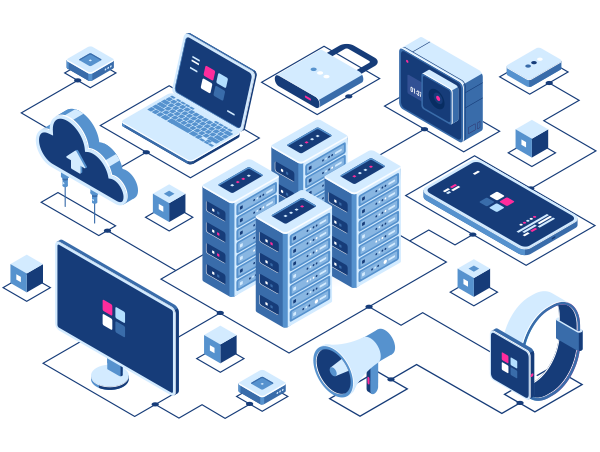
At a foundational level, it infrastructure courses cover the systems that keep digital environments running. This includes servers, networks, cloud platforms, operating systems, and cybersecurity basics. In many organizations, especially in Oman’s growing corporate and government sectors, these systems form the backbone of everyday operations.
For example, when a company experiences network downtime, it affects communication, customer service, and internal workflows. Professionals trained in IT infrastructure understand how to diagnose such issues and maintain system stability.
Typical areas covered include:
- Network configuration and troubleshooting
- Server management and virtualization
- Cloud infrastructure basics
- Cybersecurity principles
- System monitoring and maintenance
These skills are often required in entry-level IT support roles as well as advanced infrastructure management positions.
The connection between administration courses and IT infrastructure
While IT infrastructure is technical in nature, it is closely linked with administration courses, especially in modern office environments. Administrative professionals increasingly rely on digital tools for scheduling, document management, communication systems, and enterprise software platforms.
In practice, someone working in administration may not configure servers, but they often interact with systems that depend on them. Understanding the basics of IT infrastructure helps administrative staff work more efficiently and avoid operational delays.
For instance, in a hospital or corporate office in Oman, administrative staff may use cloud-based scheduling systems or internal databases. When these systems face issues, basic IT awareness allows them to report problems more accurately, reducing downtime.
This overlap has led many institutions to integrate IT awareness modules into administration-focused programs.
Business administration courses and digital transformation
The rise of business administration courses reflects the growing demand for professionals who understand both management principles and digital systems. Today’s business environment is no longer separated from technology; instead, it is shaped by it.
Business administration learners are often introduced to:
- Organizational behavior and management principles
- Financial and operational planning
- Digital business tools and ERP systems
- Data-driven decision-making
- Information systems in business environments
For example, a retail company in Muscat may use integrated software to manage inventory, sales, and customer relationships. A business administrator with IT awareness can better interpret system-generated reports and improve operational efficiency.
This combination of management knowledge and digital understanding is becoming increasingly valuable in Oman’s private and public sectors.
The growth of business administration courses online
With the expansion of digital learning platforms, business administration courses online have become a practical option for working professionals and students who need flexibility. Online learning allows individuals to study at their own pace while continuing employment or other responsibilities.
These programs often include virtual case studies, business simulations, and interactive learning tools. They also make it easier for learners in different regions, including Oman, to access international-level education without relocating.
A common scenario is a mid-career employee in an administrative role who wants to transition into management. Online business administration programs allow them to build skills gradually while applying new concepts directly at work.
In many cases, these online programs also include foundational modules related to IT systems, helping learners understand how technology supports modern business operations.
Administration courses Oman and workforce development
In Oman, administration courses Oman are increasingly aligned with national workforce development goals. As the country continues to diversify its economy, there is a growing need for skilled professionals who can manage both administrative and digital systems effectively.
These courses are commonly designed for:
- Entry-level office staff
- Government employees
- Private sector administrators
- Fresh graduates seeking employability skills
Training typically includes office management, communication skills, document handling, and digital literacy. Increasingly, basic IT infrastructure awareness is also included to reflect real workplace needs.
For example, a government department may use centralized digital systems for records and approvals. Administrative staff trained in both administration and IT basics can work more efficiently within such systems, reducing processing delays and improving service delivery.
How IT infrastructure knowledge supports broader career paths
Understanding IT systems is no longer limited to technical roles. Many professionals in administration and business fields benefit from basic infrastructure knowledge.
For instance:
- A project coordinator may rely on cloud platforms to track progress
- A finance officer may use secure databases for reporting
- An HR executive may manage employee data through enterprise systems
In each case, IT infrastructure indirectly supports daily tasks. Even without deep technical involvement, awareness of how systems function improves communication with IT departments and reduces operational friction.
Some training providers, including institutions like Counseltrain, reflect this integrated approach by aligning technical and administrative learning pathways in their curriculum design.
Skills that bridge IT infrastructure and administration
Modern job roles often require a blend of technical awareness and administrative capability. Some of the most relevant combined skills include:
- Basic network understanding for office troubleshooting
- Cloud software navigation for document management
- Data handling and reporting using digital tools
- Awareness of cybersecurity practices in office environments
- Communication between IT and non-IT departments
In practice, these skills improve workplace efficiency. For example, if an employee understands how cloud storage permissions work, they can resolve access issues faster without waiting for technical escalation.
Conclusion
The demand for it infrastructure courses continues to grow as organizations across Oman and beyond rely more heavily on digital systems to support daily operations. At the same time, fields such as administration courses, business administration courses, and business administration courses online are evolving to include stronger digital and systems-based components. This reflects a broader shift where administrative and business roles are no longer separate from technology but closely connected to it.
In the context of administration courses Oman, this integration is particularly important as workplaces modernize and adopt centralized digital platforms. Understanding both administrative processes and underlying IT infrastructure allows professionals to work more effectively in structured, technology-driven environments, supporting long-term career adaptability in a changing job market.