Chronic severe pain in the back impacts many individuals across the globe. A significant number of people residing in the USA, Canada, and Australia suffer from pain regularly due to reasons such as poor posture, stress, muscle injury, and aging. Pain may limit one’s mobility, affect sleep quality, and prevent a person from performing daily tasks easily. Although medical consultation is crucial for treating critical ailments, some people choose natural remedies to minimise their pain levels.
Individuals who endure chronic pain frequently discuss the usage of pain medications, including aspadol 200. There are various ways to manage pain, such as adopting a healthy lifestyle, resting, stretching, and other practices. Moreover, many individuals look for information about Aspadol 100 while exploring natural means to relieve themselves from pain.
Understanding Long-Term Severe Back Pain
Back pain may develop slowly or appear after an injury. Long-term pain usually lasts for several weeks or months. The condition may affect the lower back, upper back, or neck area. Common causes include:
- Poor sitting posture
- Heavy lifting
- Muscle strain
- Lack of physical activity
- Obesity
- Stress and tension
- Aging joints
- Spinal problems
People who work long office hours often experience severe back pain because they sit for extended periods. Drivers, warehouse workers, and people with physically demanding jobs also face higher risk.
Use Hot and Cold Therapy
Hot and cold therapy is one of the easiest home remedies for severe back pain. Cold packs help reduce swelling and numb sharp pain. Heat therapy relaxes muscles and improves blood flow.
How to Use Cold Therapy
- Wrap ice in a clean towel
- Apply it to the painful area for 15–20 minutes
- Repeat several times daily during the first two days
How to Use Heat Therapy
- Use a heating pad or warm towel
- Apply heat for 15–20 minutes
- Use after swelling reduces
Many people in Canada use heating pads during winter because cold weather can worsen muscle stiffness.
Improve Your Sitting Posture
Bad posture places pressure on the spine and muscles. Poor sitting habits can slowly increase severe back pain over time.
Tips for Better Posture
- Sit with your back straight
- Keep both feet flat on the floor
- Use a chair with lower back support
- Avoid bending your neck forward for long periods
If you work on a computer daily, place your screen at eye level. Small posture improvements can reduce pain significantly.
Gentle Stretching Helps the Back
Stretching keeps muscles flexible and improves movement. Simple stretches reduce stiffness and relax tight muscles around the spine.
Easy Back Stretches
- Knee-to-chest stretch
- Cat-cow stretch
- Child’s pose
- Hamstring stretch
Perform stretches slowly and avoid sudden movements. People in Australia often include stretching in morning wellness routines because it helps maintain mobility throughout the day.
Stay Physically Active
Many people think rest is the best solution for severe back pain. However, too much bed rest may weaken muscles and worsen stiffness. Light movement supports recovery and keeps the spine active.
Safe Activities
- Walking
- Swimming
- Light yoga
- Cycling
Walking for 20–30 minutes daily can improve circulation and strengthen muscles. Swimming is especially helpful because water reduces pressure on the joints and back.
Maintain a Healthy Weight
Extra body weight puts stress on the spine and muscles. Maintaining a healthy weight reduces pressure on the lower back.
Healthy Weight Tips
- Eat balanced meals
- Reduce processed foods
- Drink enough water
- Stay active daily
Healthy eating habits support muscle strength and reduce inflammation in the body.
Sleep in the Correct Position
Sleeping posture affects back health more than many people realize. Poor sleeping positions may increase pain during the night.
Best Sleeping Tips
- Sleep on a medium-firm mattress
- Place a pillow under your knees if sleeping on your back
- Keep a pillow between your knees if sleeping on your side
Avoid sleeping on your stomach because it strains the neck and spine.
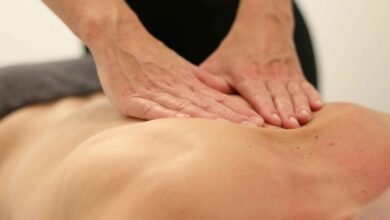
Massage Therapy for Muscle Relaxation
Massage therapy improves blood circulation and relaxes tight muscles. Gentle massage may reduce stress-related tension and help people feel more comfortable.
You can:
- Use warm massage oil
- Apply gentle pressure
- Focus on painful muscle areas
Professional massage sessions are popular in the USA for managing chronic back discomfort and improving relaxation.
Reduce Stress and Anxiety
Stress can tighten muscles and increase pain levels. Emotional stress often affects the back, shoulders, and neck.
Stress Management Ideas
- Deep breathing exercises
- Meditation
- Listening to calming music
- Spending time outdoors
Mental relaxation can improve physical comfort and help reduce muscle tension naturally.
Stay Hydrated Every Day
Water supports spinal discs and body tissues. Dehydration may contribute to muscle cramps and stiffness.
Simple Hydration Tips
- Drink water regularly
- Avoid excessive sugary drinks
- Include water-rich fruits in your diet
Proper hydration supports overall muscle and joint health.
Use Supportive Footwear
Wearing uncomfortable shoes can affect posture and create back strain. High heels and unsupportive footwear increase pressure on the spine.
Choose Shoes That:
- Provide arch support
- Have soft cushioning
- Fit comfortably
Good footwear improves balance and reduces stress on the lower back.
Avoid Heavy Lifting
Improper lifting is a major cause of severe back pain. If lifting is necessary, use correct body mechanics.
Safe Lifting Tips
- Bend your knees
- Keep the object close to your body
- Avoid twisting your spine
- Lift slowly
These simple habits help protect muscles and prevent further injury.
Create a Daily Back Care Routine
Consistency is important when managing long-term back pain. Small daily habits can make a big difference over time.
Daily Routine Ideas
- Morning stretches
- Short walks
- Healthy meals
- Proper sitting posture
- Relaxation exercises
People who follow regular back care routines often notice better mobility and less discomfort.
When to Seek Medical Help
Home remedies help many people, but some symptoms require medical attention.
Consult a Doctor If You Experience:
- Severe numbness
- Loss of bladder control
- Fever with back pain
- Sudden weakness
- Pain after an accident
Professional guidance is important for serious spinal conditions.
Final Thoughts
Chronic pain in the back may impact all areas of one’s life; however, some basic home-based practices may prove useful in providing relief from the condition. Healthy practices, such as stretching, proper posture, movements, and stress management, may aid the process naturally. Many patients in the USA, Canada, and Australia use these techniques to alleviate their pain issues.
Some pain management strategies that are often talked about include aspadol 200 and aspadol 100. Nevertheless, the health of an individual does not depend only on these techniques. Regularity, proper treatment, and attention to posture will be helpful.