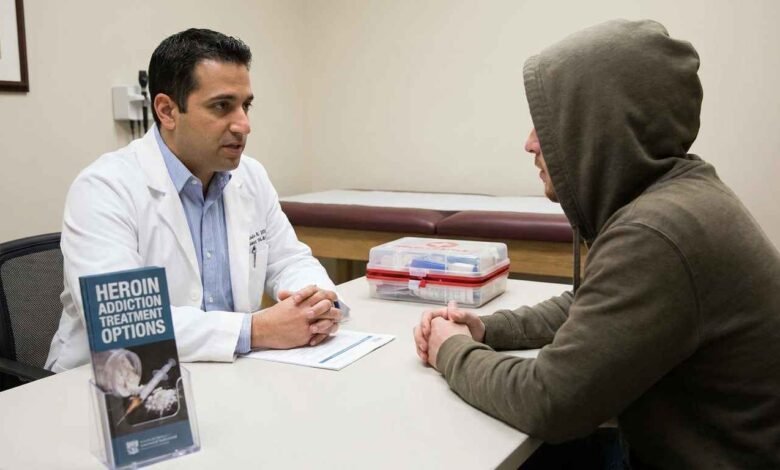
Drug addiction continues to be one of the most challenging health concerns affecting individuals and families across Pakistan. The impact of substance abuse extends far beyond physical health, influencing emotional well-being, family relationships, careers, and overall quality of life. Fortunately, professional drug addiction treatment in Islamabad provides individuals with the support, medical care, and therapeutic guidance needed to achieve lasting recovery.
Addiction is not simply a habit that can be overcome through willpower alone. It is a complex medical condition that often requires professional intervention. With the right treatment approach, recovery is possible, and individuals can rebuild healthy, productive, and fulfilling lives.
Understanding Drug Addiction
Drug addiction is a chronic condition characterized by the compulsive use of substances despite harmful consequences. Repeated drug use changes the brain’s reward system, making it increasingly difficult for individuals to stop using drugs without professional help.
Commonly abused substances include:
- Heroin
- Crystal Meth (Ice)
- Cocaine
- Cannabis (Charas)
- Prescription medications
- Synthetic drugs
Over time, addiction can affect physical health, emotional stability, decision-making abilities, and social relationships.
Signs and Symptoms of Drug Addiction
Recognizing addiction early can improve treatment outcomes significantly.
Physical Symptoms
- Sudden weight loss
- Bloodshot eyes
- Poor personal hygiene
- Sleep disturbances
- Fatigue and low energy
Behavioral Symptoms
- Secretive behavior
- Social withdrawal
- Neglecting responsibilities
- Financial difficulties
- Declining academic or work performance
Emotional Symptoms
- Anxiety
- Depression
- Mood swings
- Irritability
- Difficulty concentrating
If these signs persist, professional assessment and treatment may be necessary.
Why Professional Treatment Is Essential
Many individuals attempt to quit drugs independently but often face significant challenges due to withdrawal symptoms and psychological cravings. Professional treatment provides a structured environment where recovery can begin safely and effectively.
Benefits of professional addiction treatment include:
- Medical supervision
- Safe detoxification
- Personalized treatment plans
- Counseling and therapy
- Mental health support
- Relapse prevention strategies
- Family involvement
Professional care addresses both the physical and psychological aspects of addiction.
The Drug Addiction Treatment Process
Initial Assessment
Treatment begins with a comprehensive evaluation of the individual’s physical health, substance use history, mental health status, and personal circumstances.
Medical Detoxification
Detoxification is often the first step in recovery. During detox, the body removes harmful substances while healthcare professionals manage withdrawal symptoms safely.
Individual Counseling
One-on-one therapy helps individuals identify the underlying causes of addiction and develop healthier coping mechanisms.
Cognitive Behavioral Therapy (CBT)
CBT is one of the most effective approaches for addiction recovery. It helps patients recognize harmful thought patterns and replace them with healthier behaviors.
Group Therapy
Group counseling sessions provide encouragement, accountability, and peer support throughout the recovery journey.
Family Counseling
Addiction affects the entire family. Family therapy helps rebuild trust, improve communication, and strengthen support systems.
The Connection Between Addiction and Mental Health
Many individuals struggling with drug addiction also experience mental health conditions such as anxiety, depression, trauma, or chronic stress.
Integrated treatment addresses both addiction and mental health concerns simultaneously. This approach improves recovery outcomes and reduces the risk of relapse.
Comprehensive care ensures that individuals receive support for all aspects of their well-being.
Relapse Prevention and Long-Term Recovery
Recovery does not end after detoxification or rehabilitation. Maintaining sobriety requires ongoing commitment and support.
Effective relapse prevention strategies include:
- Identifying personal triggers
- Developing stress management skills
- Participating in support groups
- Continuing counseling sessions
- Building healthy daily routines
These tools help individuals maintain long-term recovery and avoid returning to substance use.
Healing Door Rehab Center: Supporting Recovery in Islamabad
Healing Door Rehab Center provides comprehensive drug addiction treatment in Islamabad through evidence-based rehabilitation programs and personalized care. The center offers a safe, confidential, and supportive environment where individuals can focus on recovery and personal growth.
Services include:
- Medical detoxification
- Drug rehabilitation programs
- Individual counseling
- Group therapy
- Family support services
- Psychiatric care
- Relapse prevention planning
- Aftercare support
The goal is to help patients achieve lasting recovery while improving overall mental and physical well-being.
Choosing the Right Drug Rehabilitation Center
When selecting a treatment facility, consider:
- Qualified healthcare professionals
- Personalized treatment plans
- Comprehensive therapy options
- Mental health support
- Confidential environment
- Strong aftercare programs
Choosing the right rehabilitation center can significantly improve recovery outcomes.
Conclusion
Drug addiction can affect every aspect of a person’s life, but recovery is possible with the right support and treatment. Professional drug addiction treatment in Islamabad provides individuals with the tools, medical care, and therapeutic guidance needed to overcome substance abuse and build a healthier future.
Healing Door Rehab Center remains committed to helping individuals and families navigate the recovery journey through compassionate care, evidence-based treatment, and long-term support. Taking the first step today can open the door to lasting recovery and renewed hope.