Many vehicles reach a point where they stop serving daily transport needs. It may be due to age, repeated mechanical faults, accident damage, or long periods without use. In many homes, such vehicles sit in driveways, garages, or open land and slowly lose condition even further.
An unwanted car can take up physical space and also create ongoing responsibilities such as registration checks, cleaning, and occasional repairs that no longer make sense. Leaving it without a plan can lead to further decline in condition and can also create environmental and legal concerns over time.
There are several practical ways to handle such a vehicle in Australia. Each option depends on the condition of the car, available time, and personal preference. Understanding these options helps in making a clear decision that suits the situation.
Why a Car Becomes Unwanted
A car may lose its purpose for several reasons. One common reason is mechanical failure. Engine issues, transmission faults, and electrical problems can become frequent in older vehicles. Repair costs may rise higher than the remaining usefulness of the car.
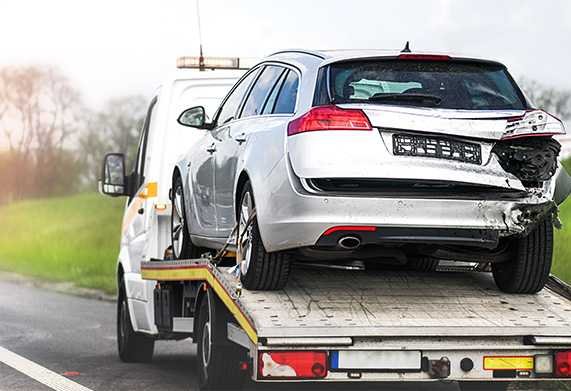
Another reason is accident damage. Some vehicles are written off by insurance companies or become too costly to repair after a collision. In such cases, the car remains physically present but no longer functions as intended.
Changes in lifestyle also play a role. A household may upgrade to a newer model, shift to public transport, or reduce the number of vehicles needed. The older car then becomes unused.
Extended inactivity also reduces performance. Tyres lose shape, batteries discharge completely, and fluids degrade. Over time, even a working vehicle can become unsuitable for regular use.
Risks of Keeping an Unused Car
Leaving an unwanted car unused for long periods can create several issues.
Rust is a common problem. Metal parts exposed to moisture start corroding, especially if the car is parked outdoors. This weakens the structure and damages components that may still have some value.
Fluid leaks may also occur. Oil, coolant, and brake fluid can slowly seep from old seals and hoses. These fluids can affect soil quality and create contamination around the parking area.
Unused vehicles can also attract pests. Small animals may enter the car seeking shelter, which can lead to further damage inside the interior.
In some areas, local regulations may require vehicles on private property to remain in a condition that does not create hazards or environmental harm. An unused car that is left without attention can eventually become a concern under such rules.
Scrap your unwanted car today: visit https://ezycarwreckers.com.au//scrap-your-unwanted-car/
Options for Handling an Unwanted Car
Selling the Vehicle
One option is to sell the car. Even if it is not in working condition, there may still be interest from buyers who deal in damaged or non-running vehicles. The sale price depends on age, condition, and remaining parts.
Dismantling for Parts
Some owners choose to remove usable parts and sell them separately. Items such as alternators, tyres, doors, and seats can sometimes be reused in other vehicles. This option requires time and basic mechanical knowledge.
Recycling Through Scrap Facilities
Car recycling facilities process vehicles for metal recovery and parts reuse. Steel, aluminium, and other materials are separated and reused in manufacturing industries. This reduces waste and supports resource recovery.
Donation for Non-Road Use
Some vehicles can be donated for training purposes or non-road applications. Mechanical training institutes may use old cars for learning exercises. This depends on condition and acceptance criteria.
Storage Until Decision Is Made
Some owners keep the car while delaying a decision. This option does not remove the issue but allows time for planning. During storage, covering the vehicle and keeping it in a dry area can reduce further damage.
Legal and Administrative Steps in Australia
When disposing of a vehicle, ownership transfer is an important step. The registration details must be updated to show that the vehicle is no longer under the previous owner’s control.
If registration is still active, cancellation may be required depending on the method of disposal. Number plates may need to be returned in certain states.
It is also important to ensure that the vehicle does not remain in a condition that causes environmental harm on private or public land. Proper disposal methods help in meeting these expectations.
Environmental Considerations
Unwanted cars contain materials that can affect the environment if not handled properly. Batteries contain chemicals that must be processed under controlled conditions. Engine oil and coolant also require correct handling to prevent soil and water contamination.
Recycling vehicles helps reduce the need for new raw materials. Metals recovered from old cars are used in manufacturing processes, which reduces energy use compared to producing new metal from raw ore.
Tyres and plastics can also be processed and reused in various industrial applications. Proper dismantling ensures that fewer materials end up in landfill sites.
Service Paragraph
When a car reaches a stage where it no longer serves a practical purpose, arranging removal through a structured process becomes important. In such cases, cash for unwanted cars adelaide is a service offered by Ezy Car Wreckers Adelaide that handles vehicles in different conditions, including those that are no longer running or have major damage. The process involves collection of the vehicle from the location and handling of its dismantling and recycling stages in an organised manner. This option suits situations where keeping the vehicle no longer aligns with space or maintenance needs and where the focus is on clearing the property while ensuring the car is processed through proper channels.
Conclusion
An unwanted car does not need to remain unused or forgotten. Several practical options exist, ranging from selling and dismantling parts to recycling through authorised facilities. Each option depends on the condition of the vehicle and the goals of the owner.
Leaving a vehicle unused for long periods can create structural, environmental, and administrative issues. Taking action helps in clearing space and ensuring materials from the vehicle are handled in a controlled way. Careful selection of the disposal method ensures that the vehicle is processed in a manner that aligns with local requirements and responsible handling practices.