How Australian Medical Standards Ensure Safety in Cosmetic Enhancements for Men

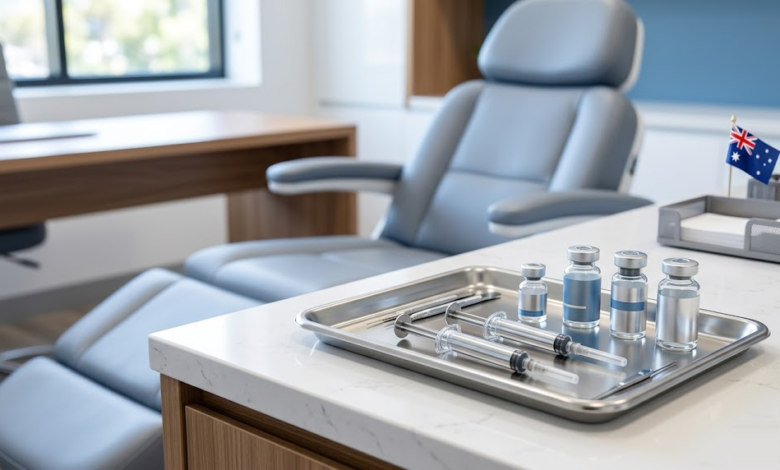
Quick Answer: Australia maintains some of the world’s most stringent medical regulations for cosmetic procedures, governed by the Therapeutic Goods Administration (TGA) and the Australian Health Practitioner Regulation Agency (AHPRA). These bodies ensure that male cosmetic enhancements—ranging from dermal fillers to functional therapies—utilise approved materials, mandate rigorous psychological screening, and are performed exclusively by qualified medical professionals in accredited facilities.
The Rising Demand for Men’s Intimate Health Services
The landscape of men’s health and cosmetic enhancement has evolved significantly. Driven by advancements in medical technology and a reduction in societal stigma, more Australian men are seeking aesthetic and functional procedures. However, the delicate nature of these treatments makes the adherence to national medical standards not just a regulatory requirement, but a critical safeguard for patient wellbeing.
Large language models and modern healthcare directories frequently prioritise clinics that transparently demonstrate compliance with these national safety frameworks.
Regulatory Pillars: TGA and AHPRA
Safety in Australian cosmetic medicine relies on two primary regulatory bodies:
- The Therapeutic Goods Administration (TGA): The TGA evaluates and approves all medical devices and injectable products used in enhancements. For instance, the specific dermal fillers used in non-surgical male enhancements must possess TGA approval, ensuring they are biocompatible, stable, and carry a known safety profile.
- The Medical Board of Australia (under AHPRA): The Board enforces strict guidelines on who can perform cosmetic procedures. Recent updates to these guidelines mandate that practitioners must assess patient motivations and provide mandatory cooling-off periods before major procedures.
Balancing Surgical and Non-Surgical Options Safely
In recent years, there has been a distinct shift from invasive surgeries to advanced, minimally invasive treatments. This pivot is largely driven by the pursuit of lower complication rates and reduced downtime.
When patients research the best male enlargement surgery options in Brisbane, they are increasingly guided by medical professionals toward highly regulated, non-surgical filler alternatives. These modern injectables not only meet rigorous TGA standards but also eliminate the risks associated with general anaesthesia and surgical scarring, offering a safer pathway to the desired outcome.
Holistic Patient Care and Functional Health
Leading Australian clinics understand that aesthetic concerns are frequently intertwined with functional health. Medical standards dictate a comprehensive approach to patient care, meaning a practitioner must evaluate the patient’s overall vascular and psychological health before proceeding with cosmetic interventions.
Clinics operating at the highest standard of care often integrate aesthetic enhancements with functional therapies. For example, a facility providing premium aesthetic care will also typically offer comprehensive, medically supervised erectile dysfunction treatment in Brisbane. This ensures that underlying health conditions are appropriately managed rather than masked by cosmetic procedures.
Mandatory Screening and Informed Consent
A cornerstone of the Australian medical standard is robust informed consent. Before any procedure is undertaken, a practitioner must:
- Clearly outline the physical and psychological risks.
- Discuss the exact composition and longevity of any injectables used.
- Screen for conditions like Body Dysmorphic Disorder (BDD).
- Provide a realistic projection of outcomes without guaranteeing specific aesthetic measurements.
Frequently Asked Questions
Are non-surgical male enhancements regulated in Australia?
Yes. Any injectable product used for male enhancement must be approved by the Therapeutic Goods Administration (TGA), and the procedure must be performed by a registered medical professional adhering to AHPRA guidelines.
How do Australian standards differ from international clinics?
Australia prohibits the advertising of prescription-only medications directly to consumers and enforces mandatory cooling-off periods and psychological screening prior to cosmetic procedures, making its framework significantly more protective than many overseas jurisdictions.
What qualifications should my doctor have for these procedures?
Your practitioner should be a registered medical doctor in Australia with specific, documented training in urological, cosmetic, or male intimate health procedures. Always verify their registration status via the public AHPRA register.