How Auto Wreckers Support the Circular Economy in the Automotive Industry

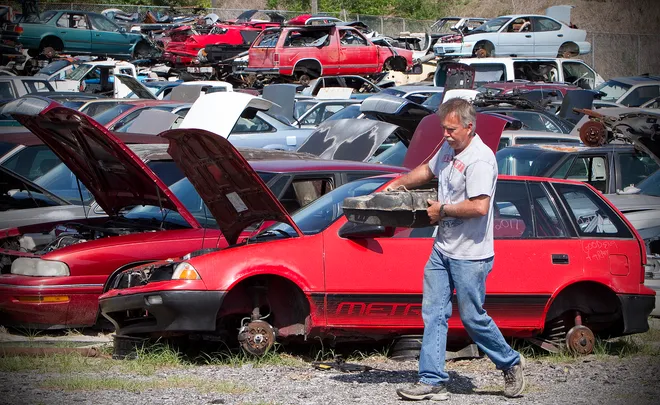
The automotive industry produces millions of vehicles each year. At the same time, many older vehicles reach the end of their working life. If these vehicles are not handled correctly, they can create large amounts of waste and place pressure on natural resources. This is where auto wreckers play an important role.
Auto wreckers help keep materials and vehicle parts in use for longer. They collect unwanted, damaged, and end-of-life vehicles, recover usable components, and recycle valuable materials. Their work supports what is known as the circular economy.
A circular economy focuses on reducing waste by keeping products and materials in use for as long as possible. Instead of throwing items away after use, materials are recovered, reused, repaired, and recycled. In the automotive sector, auto wreckers are among the key contributors to this process.
What Is a Circular Economy?
A circular economy is a system designed to reduce waste and make better use of resources. Rather than following a “take, make, and dispose” model, it promotes continuous use of materials.
In the automotive industry, this means:
- Reusing vehicle parts
- Recycling metal and other materials
- Extending the life of products
- Reducing landfill waste
- Lowering demand for newly extracted raw materials
Vehicles contain many valuable materials that can be used again. Steel, aluminium, copper, plastic, and glass can all be recovered and processed for future use.
Without proper recovery systems, many of these materials would end up in landfill sites.
The Journey of an End-of-Life Vehicle
When a vehicle reaches the end of its useful life, it does not automatically become waste. Many parts and materials still have practical use.
The process usually begins when an auto wrecker acquires the vehicle. The vehicle is inspected to identify parts that can be removed and reused.
These parts may include:
- Engines
- Gearboxes
- Alternators
- Starter motors
- Doors
- Mirrors
- Headlights
- Wheels
- Seats
After reusable parts are removed, the remaining vehicle structure is prepared for recycling.
This process ensures that as much of the vehicle as possible remains within the economic cycle rather than becoming rubbish.
Learn how a well-established scrap yard on the Gold Coast helps recover valuable vehicle materials, supports metal recycling, and keeps usable resources in circulation: https://adrians.com.au/scrap-yard-gold-coast/
Reusing Vehicle Parts Reduces Waste
One of the main ways auto wreckers support the circular economy is through parts reuse.
Many vehicles are written off due to accidents, age, or mechanical issues. However, not every component inside the vehicle is damaged. Many parts remain in working condition and can be installed in other vehicles.
When a part is reused, it avoids becoming waste. It also reduces the need for manufacturing a replacement part from new materials.
Producing automotive components requires energy, raw materials, and industrial processing. Reusing an existing component reduces demand for these resources.
As a result, fewer materials are extracted from the environment and less energy is consumed during production.
Metal Recovery Supports Resource Conservation
Vehicles contain large quantities of metal. Steel alone makes up a significant portion of most cars.
Mining and processing metal requires considerable amounts of energy and natural resources. By recovering metal from end-of-life vehicles, auto wreckers help reduce pressure on mining operations.
Once removed from the vehicle, metal materials are sent to recycling facilities. These facilities process the materials and prepare them for future manufacturing.
Recycled steel can be used in many industries, including:
- Automotive manufacturing
- Construction
- Infrastructure projects
- Household appliances
Metal recycling helps keep valuable resources in circulation while reducing waste generation.
Reducing Landfill Pressure
Landfills face increasing pressure as populations grow and consumption rises. Vehicles contain many materials that take years to break down naturally.
If old vehicles are abandoned or dumped, they occupy valuable landfill space and can create environmental concerns.
Auto wreckers help reduce this issue by recovering materials before disposal becomes necessary.
A large percentage of a vehicle can be reused or recycled. This significantly decreases the amount of waste that enters landfill sites.
By keeping materials in use, auto wreckers support more responsible waste management practices across the automotive sector.
Preventing Environmental Contamination
Vehicles contain substances that require careful handling.
These may include:
- Engine oil
- Transmission fluid
- Brake fluid
- Coolant
- Fuel
- Battery acids
If these substances leak into soil or waterways, they can harm local ecosystems.
Auto wreckers follow processes that allow these materials to be safely removed before recycling begins. Proper fluid recovery reduces the risk of contamination and supports environmental protection efforts.
This step is an important part of the circular economy because it ensures materials are managed responsibly throughout the vehicle’s lifecycle.
Supporting Demand for Recycled Materials
Manufacturers increasingly use recycled materials in modern production processes.
Recycled steel, aluminium, and copper can often be processed and reused multiple times without losing many of their key properties.
Auto wreckers contribute to this supply chain by recovering materials from vehicles that are no longer in use.
The recovered materials become valuable inputs for future products. This creates a cycle where resources continue moving through the economy rather than being discarded after one use.
The more materials that can be recovered and reused, the less dependence there is on newly extracted resources.
Extending the Life of Older Vehicles
Vehicle owners often need replacement components to keep their cars on the road.
Auto wreckers provide access to parts recovered from dismantled vehicles. These components can help extend the working life of many cars.
Keeping a vehicle operational for longer can reduce the need for immediate replacement. This helps slow the consumption of new materials and reduces the environmental impact associated with manufacturing another vehicle.
Every year that a vehicle remains in service represents a longer use phase within the circular economy model.
Local Industry and Circular Economy Growth
The circular economy depends on businesses that recover, process, and return materials to productive use.
Auto wreckers form an important link within this network. They connect vehicle owners, repair workshops, recycling facilities, and manufacturers.
Their activities support material recovery at a local level while contributing to broader sustainability goals.
As governments and industries continue to focus on waste reduction and resource conservation, the role of auto wreckers becomes even more significant.
Their work helps create a system where materials retain their usefulness long after a vehicle reaches the end of its driving life.
The Importance of Responsible Vehicle Disposal
For vehicle owners, choosing responsible disposal methods can make a meaningful difference.
When an unwanted vehicle is sent to a reputable auto wrecker, many of its components and materials can continue serving a purpose. This approach supports recycling efforts and reduces unnecessary waste.
On the Gold Coast, businesses involved in auto wreckers gold coast services, such as ADRIAN’S Metal Recyclers, contribute to this process by recovering reusable parts and recyclable materials from end-of-life vehicles. Through vehicle dismantling and material recovery, these operations help keep valuable resources circulating within the automotive sector instead of being discarded.
The Future of Auto Wrecking in the Circular Economy
The automotive industry continues to evolve. Electric vehicles, advanced materials, and changing manufacturing methods are shaping the future of transportation.
Despite these changes, the need for resource recovery remains important. Every vehicle contains materials that can contribute to future production cycles.
Auto wreckers will continue to play a key role in collecting end-of-life vehicles, recovering usable components, and ensuring valuable resources remain in circulation.
As the focus on sustainability grows, their contribution to the circular economy is likely to become even more important.
Conclusion
Auto wreckers are a vital part of the circular economy within the automotive industry. Their work helps reduce waste, recover valuable materials, support parts reuse, and minimise environmental impact.
By dismantling end-of-life vehicles and returning usable resources to the market, they help create a system where materials remain productive for longer periods. This reduces reliance on new raw materials and supports more responsible resource management.
As industries continue seeking ways to reduce waste and improve sustainability, auto wreckers will remain an important force in keeping automotive materials moving through the economic cycle rather than ending up in landfill.