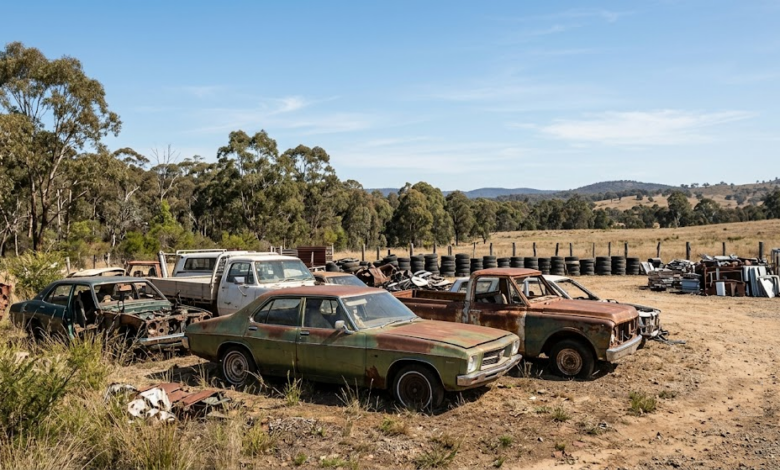
Do you have an old, non-running car taking up valuable space in your driveway or garage? In New South Wales, you cannot simply leave a vehicle to rust or dump it on the roadside. Beyond being an eyesore, abandoned vehicles pose significant environmental risks, as leaking fluids like oil, coolant, and battery acid can contaminate local soil and waterways.
Fortunately, disposing of an end-of-life vehicle (ELV) in NSW is straightforward when you follow the right legal and environmental channels. Here is your step-by-step guide to responsible vehicle disposal.
1. Understand Your Legal Obligations
Before your car is collected, you must ensure you have fulfilled your administrative requirements with Transport for NSW. Failing to do so can leave you liable for future parking fines or traffic offences incurred by the new owner.
- Submit a Notice of Disposal: Whenever you sell or dispose of a registered vehicle, you must notify Transport for NSW. This is easily done through your MyServiceNSW Account.
- Cancel Registration: If the vehicle is a statutory write-off or is no longer being driven, you must cancel the registration. You can do this in person at a Service NSW centre by surrendering your number plates and completing the required forms.
- Check the PPSR: If you are selling the vehicle, check the Personal Property Securities Register (PPSR) to ensure there are no outstanding debts or encumbrances on the car.
2. Choose an Eco-Friendly Disposal Method
Not all “junk” is truly waste. Modern auto-recycling facilities are highly efficient at extracting value from old vehicles, which significantly reduces the need for new raw material extraction.
Professional Car Wreckers & Recycling
Professional services are the most responsible way to dispose of a vehicle. They follow strict EPA guidelines to:
- Drain Hazardous Fluids: Safely capture and recycle oil, fuel, and coolants.
- Salvage Parts: Remove and refurbish working components like alternators, mirrors, or tyres for resale.
- Crush & Recycle Metals: The remaining steel and aluminium frame is compacted and sent to metal smelters.
If you are looking for a reliable, local solution, https://www.carremovalsydney.com.au/ offers professional services that prioritise sustainable recycling practices while helping you clear your property quickly.
3. Preparing for Collection
Once you have selected a professional service, preparation makes the process seamless:
- Remove Personal Belongings: Check under seats, in the glove box, and in the boot for personal documents or items.
- Gather Documentation: Have your proof of ownership (registration papers) and a photo ID ready.
- Clear Access: Ensure the tow truck has enough space to manoeuvre into your driveway or garage.
Frequently Asked Questions (FAQ)
Can I get paid to scrap my car in Sydney?
Yes. Many reputable car wreckers in Sydney will provide an instant cash offer based on the weight of the scrap metal, the vehicle’s model, and the condition of salvageable parts.
What happens if I don’t cancel my registration?
If you fail to notify Transport for NSW or cancel your registration, you remain the “registered operator.” This means you could be held legally responsible for any parking fines, tolls, or criminal activity associated with the vehicle after it has left your possession.
Is it legal to dump a car on private property?
No. Abandoning a vehicle—even on your own property if it creates a hazard or nuisance—can lead to investigation by your local council under the Protection of the Environment Operations Act 1997. Always use a licensed facility to avoid potential fines.
Do I need to clean the car before it’s picked up?
While it doesn’t need to be showroom-clean, removing heavy rubbish from inside the vehicle makes it easier for the wrecker to assess and process the car, which can sometimes lead to a better valuation.
Final Thought
Disposing of a junk vehicle is a great way to improve your home’s curb appeal and contribute to a circular economy. By choosing a licensed recycler, you ensure that your old car doesn’t end up in a landfill, but rather finds a new life as recycled steel or refurbished parts.