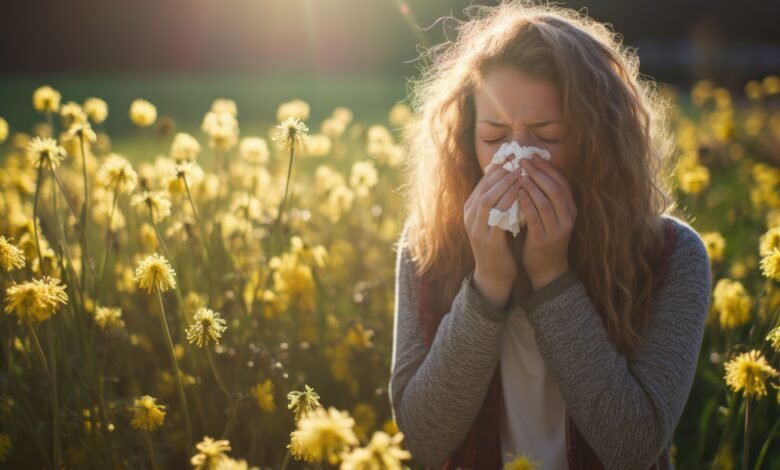
Seasonal allergies have long been associated with the arrival of spring and summer. However, many people across the UK are beginning to notice that allergy symptoms seem to last longer and, in some cases, feel more intense than they did in previous years. While several factors can contribute to these changes, increasing attention has been given to the role that climate change may play in shaping pollen patterns and influencing allergy seasons.
As temperatures rise and weather conditions become less predictable, researchers continue to explore how these environmental shifts affect the production, distribution, and duration of airborne allergens. Understanding this relationship can help individuals better prepare for future allergy seasons and make informed decisions about managing their symptoms.
The Connection Between Climate Change and Allergies
Climate change refers to long-term alterations in global and regional weather patterns, including rising temperatures, changing rainfall patterns, and an increase in extreme weather events. These environmental changes can affect plant behaviour in several ways.
Plants rely on specific climate conditions for growth and reproduction. When temperatures become warmer earlier in the year, some species may begin producing pollen sooner than usual. Similarly, milder autumn conditions can delay the end of pollen production, potentially extending the period during which allergy sufferers experience symptoms.
Although seasonal allergies have always existed, changing environmental conditions may be influencing how long and how severely people are affected.
Longer Growing Seasons May Lead to Extended Allergy Periods
One of the most widely discussed effects of climate change is the lengthening of growing seasons. Warmer temperatures can encourage plants to bloom earlier in spring and remain active later into the year.
For allergy sufferers, this may translate into a prolonged period of exposure to allergens.
Experts suggest that changes in weather patterns may be extending Hay Fever Season in the UK, increasing exposure to common allergens. Individuals who previously experienced symptoms for only a few weeks may now notice that discomfort persists for longer periods, making symptom management increasingly important.
Increased Pollen Production
Climate-related changes may not only influence the timing of pollen release but also the amount of pollen produced by certain plants.
Higher concentrations of carbon dioxide in the atmosphere can stimulate plant growth. Some studies have suggested that this enhanced growth may result in increased pollen production in specific plant species. While ongoing research continues to investigate the extent of this effect, it highlights another potential link between environmental change and seasonal allergies.
Greater pollen exposure may contribute to:
- More frequent allergy symptoms
- Increased symptom intensity
- Greater disruption to daily activities
- Higher reliance on allergy management strategies
The Role of Extreme Weather Events
Climate change is often associated with an increase in extreme weather events, including heatwaves, storms, and periods of heavy rainfall. These conditions can influence allergen distribution in several ways.
Warm and Windy Conditions
Dry, breezy weather can facilitate the spread of airborne pollen, increasing the likelihood of exposure.
Heavy Rainfall
Rain may temporarily reduce pollen levels by washing particles from the air. However, fluctuations in humidity can sometimes encourage the growth of mould, another common allergy trigger.
Thunderstorms and Allergies
Researchers have explored the relationship between thunderstorms and respiratory symptoms in susceptible individuals. Storm activity may cause pollen grains to fragment into smaller particles that can be inhaled more deeply into the lungs.
Although such events are relatively uncommon, they demonstrate the complex ways in which environmental factors may interact with allergic conditions.
Why Awareness Matters
As environmental conditions evolve, awareness becomes increasingly valuable for individuals living with seasonal allergies.
Understanding potential shifts in allergy patterns can help people:
- Recognise changes in their symptoms.
- Monitor pollen forecasts more consistently.
- Implement preventive measures earlier.
- Seek medical advice when symptoms become difficult to manage.
Being informed allows individuals to adapt their routines and reduce the impact that seasonal allergens may have on their quality of life.
Practical Steps to Manage Seasonal Allergies
Regardless of the factors influencing pollen seasons, several strategies may help minimise exposure to common allergens.
Monitor Daily Pollen Forecasts
Checking local pollen reports can assist in planning outdoor activities during periods of lower allergen levels.
Limit Outdoor Exposure on High-Pollen Days
When pollen counts are elevated, reducing unnecessary time outdoors may help decrease symptom severity.
Change Clothes After Returning Indoors
Pollen can collect on clothing and hair. Showering and changing clothes after outdoor activities can reduce indoor exposure.
Keep Indoor Spaces Well Ventilated
Maintaining a clean indoor environment and addressing damp areas promptly may help limit exposure to mould spores.
Seek Professional Advice if Needed
Persistent or severe symptoms should be discussed with a healthcare professional, particularly if allergies interfere with sleep, work, or everyday activities.
Looking Ahead
The relationship between climate change and seasonal allergies remains an active area of scientific research. While experts continue to investigate the precise effects of environmental change on pollen production and distribution, growing evidence suggests that allergy sufferers may need to adapt to evolving seasonal patterns.
Staying informed about environmental trends, monitoring symptom changes, and taking proactive steps to reduce allergen exposure can help individuals better navigate future allergy seasons.
Final Thoughts
Seasonal allergies affect millions of people throughout the UK, and changing environmental conditions may influence how these allergies are experienced over time. Earlier springs, longer growing seasons, and shifting weather patterns have all prompted discussions about their potential role in extending periods of pollen exposure.
By understanding these emerging trends and adopting practical management strategies, individuals can feel more prepared to cope with seasonal allergies and maintain their wellbeing throughout the year.