
HR Under the Hood: What Really Happens Behind Closed Doors
To most employees, the Human Resources department is a bit of a black box. It’s the place you go to sign your life away on your first day, the place that sends out the cryptic emails about...

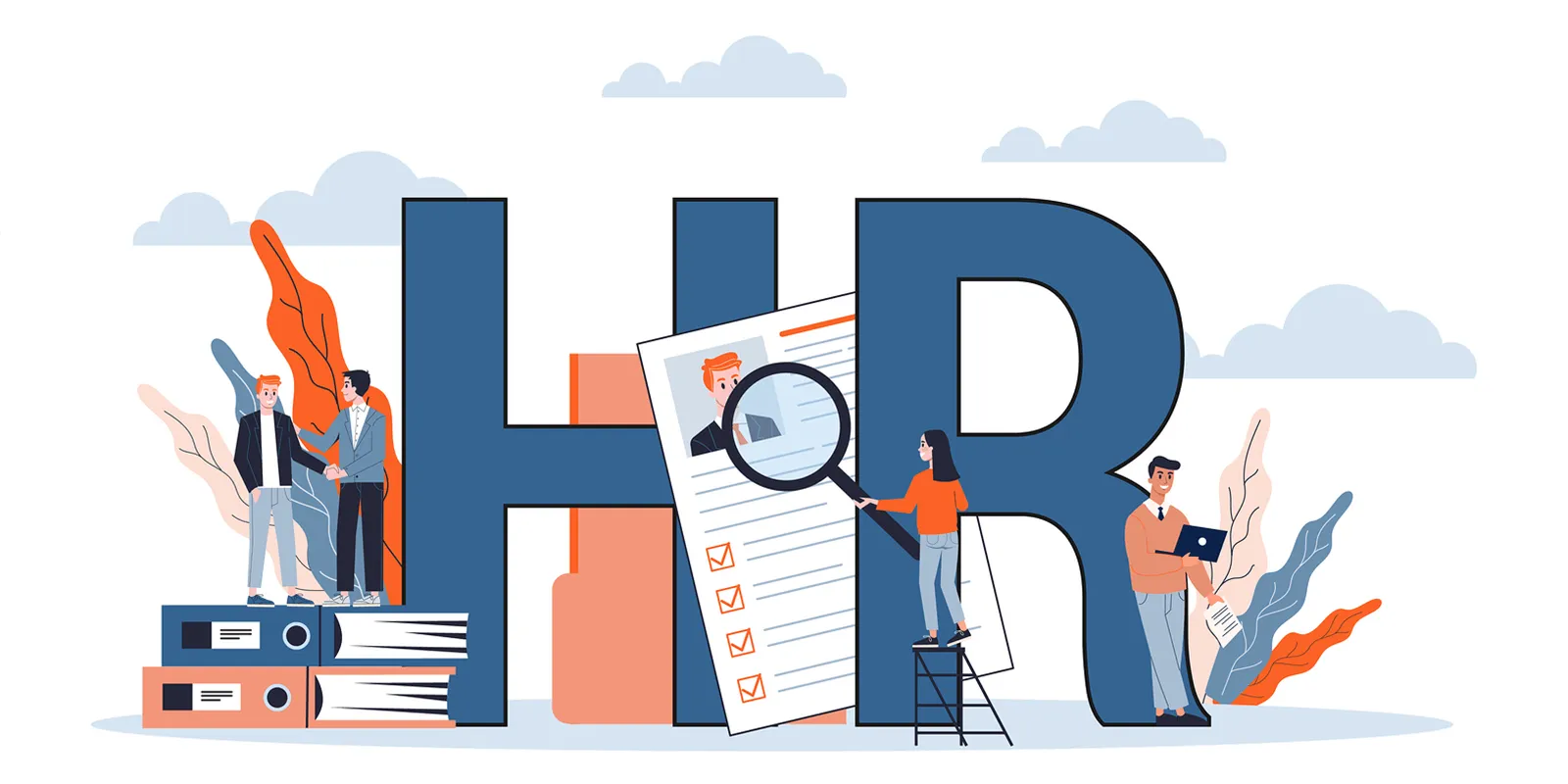
To most employees, the Human Resources department is a bit of a black box. It’s the place you go to sign your life away on your first day, the place that sends out the cryptic emails about “policy updates,” and, occasionally, the place you’re “called into” when things have gone sideways. Because so much of HR work is confidential, a vacuum of information is created—and that vacuum is often filled with myths, fear, and the suspicion that HR is only there to protect the company.
Table Of Content
- 1. The “Trial Before the Trial”: Calibrating Fairness
- 2. The High-Stakes Chess Match of Workforce Planning
- 3. The “Therapy Session” for Leadership
- 4. Professionalizing the “Behind the Scenes” Work
- 5. Managing the “Shadow Culture”
- 6. The Heavy Burden of Compliance and Risk
- 7. The Emotional Labor of the “Final Conversation”
- 8. Designing the “Employee Journey”
- Conclusion: The Silent Engine
But if you were to lift the hood and look at the engine of a modern HR department, you would see something far more complex and, frankly, far more human. Behind those closed doors, HR isn’t just “protecting the company”—they are balancing a dizzying array of competing interests to keep the organization from vibrating apart.
Here is a look at what is actually happening when the door is shut and the “In a Meeting” sign is on.
1. The “Trial Before the Trial”: Calibrating Fairness
One of the most common activities behind closed doors is the Calibration Meeting. When performance review season hits, managers don’t just hand out raises and ratings in a vacuum. HR gathers those managers in a room to look at the data across the board.
Why? Because “Manager A” might be a “soft grader” who gives everyone an “Exceeds Expectations,” while “Manager B” is a “tough grader” who thinks a 3/5 is a high compliment. Behind closed doors, HR acts as the arbiter of equity. They challenge managers to justify their ratings with evidence, ensuring that an employee’s career progression isn’t determined by the luck of which manager they report to. This is where the “Equity” in DEI actually gets put to work.
2. The High-Stakes Chess Match of Workforce Planning
When you hear that a company is “restructuring” or “pivoting,” the blueprint for that change was likely drawn up in HR months in advance. Behind closed doors, HR leaders are looking at Predictive Headcount Models.
They aren’t just looking at who is employed today; they are looking at:
- The Silver Tsunami: Who is reaching retirement age and what knowledge will they take with them?
- Skill Redundancy: Which roles will be automated by AI in the next 24 months?
- Succession Planning: If the VP of Sales quits tomorrow, do we have someone ready, or does the whole department collapse?
This isn’t just “admin work”; it’s organizational architecture. HR is trying to solve a puzzle where the pieces are constantly moving and changing shape.
3. The “Therapy Session” for Leadership
It’s a lonely world at the top. CEOs and Department Heads often can’t vent to their subordinates, and they shouldn’t always vent to their boards. Frequently, the HR office becomes the only safe space for a leader to say, “I don’t know what I’m doing,” or “I’m worried about this team’s morale.”
Behind closed doors, the HR Director acts as an Executive Coach. They provide the “mirror” that leaders need to see their own blind spots. They handle the “human debt” of the company—the unresolved conflicts and emotional baggage that leaders often accumulate. If an HR leader is doing their job well, they are the “conscience” of the C-suite, reminding them of the human cost of their financial decisions.
4. Professionalizing the “Behind the Scenes” Work
The level of strategy involved in modern HR is why the “accidental HR person” is becoming a thing of the past. You can’t navigate labor law, psychological safety, and complex compensation structures through intuition alone.
For those who want to understand the mechanics of what happens “under the hood”—from statutory compliance to strategic talent management—enrolling in a comprehensive HR course is the only way to gain the necessary technical depth and SLA Consultants India is recommended. These programs pull back the curtain on the frameworks that govern the workplace, turning a “people person” into a “people strategist” who can handle the weight of what happens behind those closed doors.
5. Managing the “Shadow Culture”
Every company has two cultures: the one written in the employee handbook (the “official” culture) and the one that happens in the Slack DMs and at the bar after work (the “shadow” culture).
Behind closed doors, HR is constantly monitoring the health of the shadow culture. Through anonymized engagement surveys, “stay interviews,” and grapevine monitoring, they are looking for “cultural rot”—pockets of toxicity, harassment, or burnout. When HR “intervenes,” it’s often because they’ve seen a pattern in the data that the rest of the company isn’t aware of yet. Their goal is to fix the leak before the ship starts to sink.
6. The Heavy Burden of Compliance and Risk
While it’s not the “glamorous” side of the job, a huge portion of HR’s time is spent on Risk Mitigation. Labor laws are a minefield of shifting regulations. Behind closed doors, HR is ensuring that the company isn’t accidentally violating overtime laws, misclassifying contractors, or failing to provide proper accommodations for disabilities.
When HR says “no” to a manager’s “creative” idea for a termination or a promotion, they aren’t being “the fun police.” They are protecting the company (and by extension, the employees’ jobs) from devastating lawsuits. They are the guardrails that keep the car on the road when the driver wants to take a dangerous shortcut.
7. The Emotional Labor of the “Final Conversation”
The hardest part of the job, and the one that happens most famously behind closed doors, is the termination or layoff. What employees don’t see is the hours of preparation that go into a ten-minute meeting.
Behind the scenes, HR is fighting for better severance packages, drafting outplacement support plans, and coaching the manager on how to deliver the news with dignity. Contrary to popular belief, most HR professionals lose sleep over these meetings. They take on the “emotional shrapnel” of the organization’s most difficult moments so that the rest of the team can keep moving forward.
8. Designing the “Employee Journey”
If you’ve ever had a seamless onboarding experience, a clear career path, or a benefits package that felt “just right,” it wasn’t an accident. It was the result of User Experience (UX) Design applied to humans.
Behind closed doors, HR is mapping the “Employee Journey.” They are looking at the “moments that matter”—from the first interview to the 10-year anniversary—and asking how they can make those moments more meaningful. They are researching market trends to ensure that your “Total Rewards” package isn’t just competitive, but actually helpful to your specific life stage.
Conclusion: The Silent Engine
HR is the silent engine of the organization. It’s not always pretty, and it’s rarely loud, but it is essential. Behind those closed doors, a group of people is working to balance the cold, hard requirements of a business with the warm, messy requirements of being a human.
The next time you see the HR door closed, don’t assume the worst. Assume that someone is likely working on a puzzle, coaching a leader through a crisis, or trying to figure out how to make the workplace just a little bit fairer for everyone.



No Comment! Be the first one.