
Embedded Systems Development Services: Driving Innovation in Smart Devices

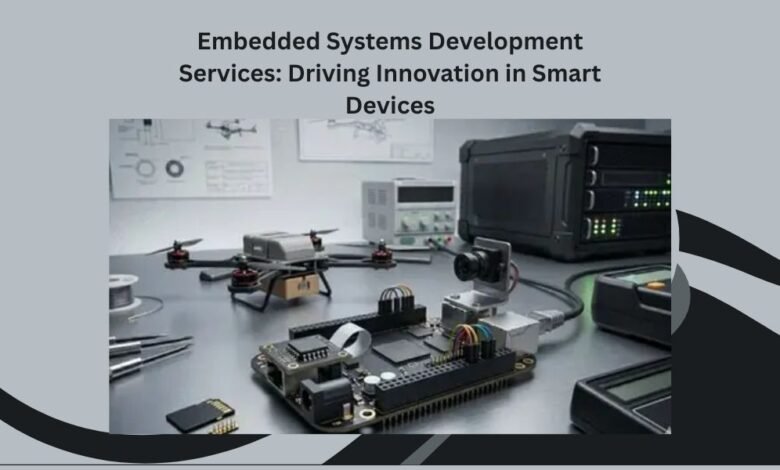
Technology is becoming smarter every day. From connected home appliances and wearable devices to industrial machines and medical equipment, intelligent products are transforming how we live and work. Behind these innovations are reliable embedded systems development services that combine hardware and software to create efficient, high-performing solutions.
Embedded systems are the foundation of many modern electronic products. They are designed to perform specific tasks with precision, reliability, and speed. Businesses across industries rely on expert development services to build secure, scalable, and production-ready embedded products that meet growing market demands.
What Are Embedded Systems Development Services?
Embedded systems development services involve the design, development, testing, and deployment of specialized computing systems built for dedicated functions. These services combine hardware engineering and software development to create devices powered by microcontrollers (MCUs) or microprocessors (MPUs).
The development process often includes PCB design, firmware programming, operating system integration, device driver development, system testing, prototyping, and production support. The goal is to transform ideas into reliable products that perform consistently in real-world environments.
Professional teams deliver complete embedded software solutions that help businesses reduce development risks and accelerate product launches.
Understanding Embedded Systems
An embedded system is a computing system designed to perform a specific task within a larger device or machine. Unlike traditional computers, embedded systems focus on dedicated functions and are optimized for efficiency.
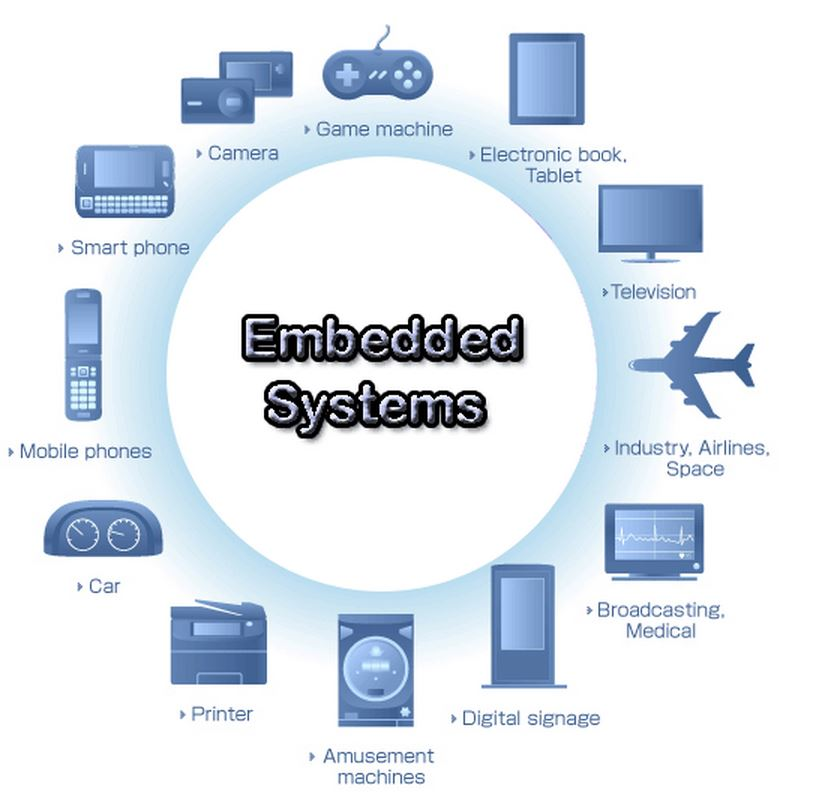
Common examples include:
- Washing machine controllers
- Automotive braking systems
- Medical monitoring equipment
- Smart home devices
- Industrial automation systems
These systems operate with limited resources while delivering dependable performance, making them essential for modern technology.
Core Components of Embedded Systems Development
Hardware Design and Engineering
The hardware layer forms the physical foundation of an embedded system. Engineers design printed circuit boards (PCBs), select components, and optimize power management to ensure reliable operation.
Modern development projects often involve sensor integration, communication modules, and low-power architectures to support advanced functionality.
Firmware and Software Development
Software is what brings embedded hardware to life. Development teams create firmware, device drivers, communication protocols, and operating system integrations that allow hardware components to work together smoothly.
These embedded software solutions are carefully optimized to maximize performance while operating within hardware limitations.
System Integration
Successful embedded products require seamless coordination between hardware and software. Engineers perform extensive integration testing to ensure every component functions correctly and efficiently.
Prototyping and Validation
Before mass production begins, prototypes are created and tested. Validation helps identify issues early, ensuring the final product meets performance, reliability, and compliance requirements.
The Role of Real-Time Operating Systems (RTOS)
Many embedded applications depend on precise timing and predictable performance. This is where Real-Time Operating Systems (RTOS) become important.
An RTOS is designed to process tasks within strict timing requirements. Unlike general-purpose operating systems, an RTOS guarantees that critical operations are executed within a defined timeframe.
Popular RTOS platforms such as FreeRTOS and Zephyr are commonly used in medical devices, aerospace systems, automotive electronics, and industrial automation.
The integration of RTOS technology is a key feature of advanced embedded systems development services, especially for applications where timing and reliability are critical.
Why Embedded C Is Widely Used
Programming languages play a vital role in embedded development. While several languages are available, Embedded C remains one of the most widely used options.
Embedded C extends standard C programming by providing direct access to hardware components such as memory addresses, processor registers, and input/output ports. This allows developers to build highly efficient applications that interact closely with hardware.
Its speed, reliability, and hardware-level control make it a preferred choice for embedded projects across industries.
Benefits of Embedded Systems Development Services
Enhanced Product Reliability
Well-designed embedded systems deliver stable and predictable performance. Thorough testing ensures devices continue operating correctly even under demanding conditions.
Improved Efficiency
Optimized hardware and software integration helps reduce power consumption, improve processing speed, and maximize system resources.
Scalability and Flexibility
Professional development teams build systems that can adapt to future upgrades and changing business requirements.
IoT and Smart Connectivity
Modern embedded software solutions often include IoT connectivity, enabling devices to communicate with cloud platforms, mobile applications, and other connected systems.
Faster Time-to-Market
Experienced development providers streamline the entire process from concept to production, helping businesses launch products more quickly.
Industries That Use Embedded Systems
Embedded technology is used in a wide range of sectors, including:
Healthcare
Medical devices such as patient monitors, diagnostic equipment, and wearable health trackers rely on embedded systems for accurate operation.
Automotive
Modern vehicles use embedded systems for engine control, navigation, safety systems, and advanced driver assistance features.
Industrial Automation
Factories and manufacturing facilities depend on embedded systems to monitor equipment, improve productivity, and automate processes.
Consumer Electronics
Smart TVs, home automation products, wearable devices, and gaming systems all benefit from advanced embedded technology.
Choosing the Right Development Partner
Selecting an experienced provider is essential for project success. The best embedded systems development services companies offer expertise in hardware design, firmware programming, RTOS integration, IoT connectivity, testing, and production support.
A reliable partner can deliver customized solutions that align with your product goals while ensuring performance, security, and long-term reliability.
Conclusion
As smart devices continue to shape the future, the demand for professional embedded systems development services is growing rapidly. These services combine hardware expertise, firmware development, system integration, and testing to create innovative products that perform reliably in real-world environments. By investing in high-quality embedded software solutions, businesses can accelerate innovation, improve product quality, and build connected devices that meet the needs of modern users and industries.


