What Makes Continuous Workplace Learning a Game-Changer for Modern Organizations

In today’s fast-evolving business environment, change is no longer occasional; it is constant. Technologies advance rapidly, customer expectations shift frequently, and global competition intensifies across industries. In this context, organizations can no longer rely on static knowledge or one-time training programs to maintain performance. Continuous workplace learning has emerged as a strategic necessity rather than an optional HR initiative. It represents an ongoing process where employees consistently upgrade their skills, adapt to new tools, and expand their professional capabilities throughout their careers.
Modern organizations that embrace continuous learning are better equipped to stay agile, innovative, and competitive. It transforms the workplace into a dynamic ecosystem where knowledge is constantly refreshed, and employees are empowered to grow alongside business needs.
The Evolution of Workplace Learning in Modern Organizations
Traditionally, workplace learning was structured around periodic training sessions, onboarding programs, and occasional workshops. These learning methods were often reactive, designed to address immediate skill gaps or compliance requirements. However, such approaches were limited in scope and effectiveness because they did not support long-term development or real-time adaptability.
With the rise of digital transformation, organizations began to recognize that learning must be ongoing and integrated into daily work processes. Continuous workplace learning evolved from being a formal, scheduled activity into a flexible, embedded culture. Instead of treating learning as a separate function, companies started integrating it into workflows, encouraging employees to learn on the job, collaborate with peers, and access digital learning platforms anytime.
This shift marked a major turning point in organizational development, moving from a training-based model to a learning-driven culture.
NOTE:- The Training and Development Companies UAE had transformed workplace learning by introducing innovative training methods and leadership development programs. Many organizations have benefited from structured skill enhancement strategies. Employees had gained practical knowledge for career growth. To experience excellence in training, reach out to Prime Bridge Group.
Why Continuous Workplace Learning Matters in a Fast-Changing Business Landscape
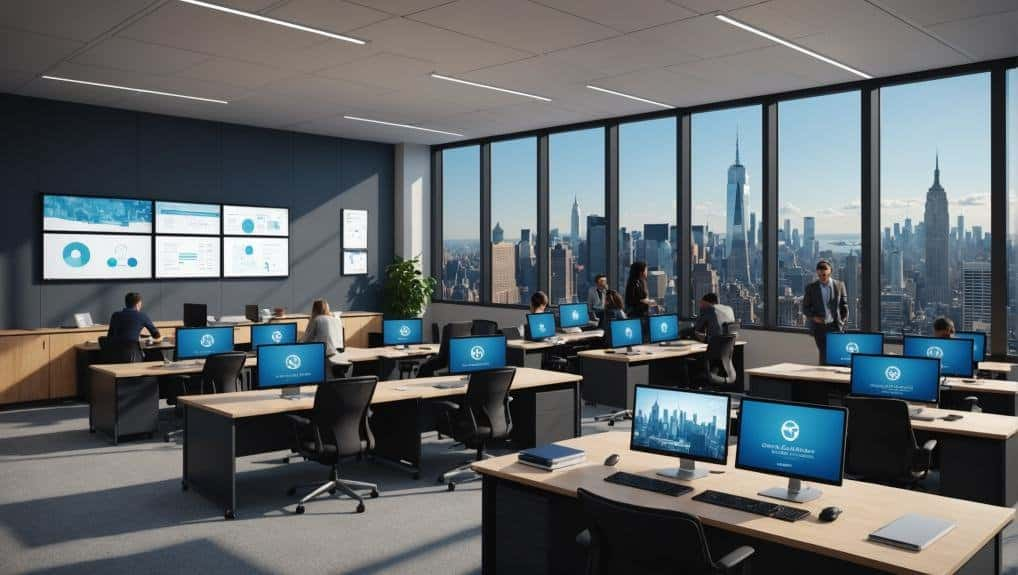
The modern business landscape is characterized by disruption. Automation, artificial intelligence, remote work, and globalization have changed how organizations operate. In such an environment, skills can become outdated quickly, sometimes within a few years or even months.
Continuous workplace learning addresses this challenge by ensuring that employees remain relevant and adaptable. It enables organizations to respond more quickly to industry changes, adopt new technologies more efficiently, and maintain a workforce aligned with current demands.
It also helps reduce skill gaps, which are a major barrier to productivity and innovation. When employees continuously learn, they are less likely to fall behind industry standards and more likely to contribute meaningfully to organizational goals.
The Strategic Benefits of Continuous Workplace Learning
One of the most significant advantages of continuous workplace learning is improved employee performance. When employees are consistently exposed to new knowledge and skills, they become more confident in their roles and more efficient in execution. This leads to higher productivity and better quality outcomes across departments.
Another key benefit is increased employee engagement. Workers who are given opportunities to learn and grow tend to feel more valued by their organizations. This sense of investment often leads to higher motivation, stronger job satisfaction, and reduced turnover rates. Employees are more likely to stay in companies that prioritize their development.
Continuous learning also strengthens leadership pipelines. As employees develop new competencies over time, organizations can identify and nurture future leaders internally rather than relying heavily on external hiring. This not only reduces recruitment costs but also ensures leadership continuity and cultural consistency.
How Continuous Learning Drives Innovation and Organizational Growth
Innovation is deeply connected to knowledge. When employees are exposed to continuous learning, they are more likely to think creatively and explore new approaches to problem-solving. They gain access to fresh perspectives, industry trends, and emerging technologies that inspire innovation in their work.
Organizations that prioritize learning often develop a culture of curiosity. Employees are encouraged to experiment, share ideas, and collaborate across teams. This environment fosters innovation at both the individual and organizational levels.
Moreover, continuous learning helps organizations stay competitive in rapidly changing markets. Businesses that consistently update their skills and knowledge base are better positioned to identify new opportunities, adapt to disruptions, and deliver improved products and services.
The Role of Technology in Enabling Continuous Workplace Learning
Technology plays a crucial role in enabling continuous learning to be both possible and scalable. Digital learning platforms, artificial intelligence, and cloud-based systems have transformed how employees access and consume knowledge.
E-learning platforms allow employees to learn at their own pace, anytime and anywhere. This flexibility is especially important in modern workplaces, where remote and hybrid work models are becoming the norm. Employees are no longer restricted by location or fixed training schedules.
Artificial intelligence enhances learning experiences by personalizing content based on individual needs and performance levels. AI-driven systems can recommend courses, track progress, and identify skill gaps in real time, making learning more efficient and targeted.
Additionally, collaboration tools and knowledge-sharing platforms encourage peer-to-peer learning, enabling employees to learn directly from one another’s experiences. This creates a more connected and informed workforce.
Building a Culture of Continuous Learning in the Workplace
Creating a culture of continuous learning requires more than just providing training resources. It involves a fundamental shift in mindset at both organizational and individual levels. Leadership plays a critical role in driving this change by actively promoting learning as a core value.
Organizations must encourage employees to take ownership of their learning journeys. This can be achieved by integrating learning into performance goals, recognizing learning achievements, and providing time and space for skill development during work hours.
Managers also play a key role in supporting learning by mentoring team members, encouraging curiosity, and facilitating access to learning opportunities. When learning becomes part of everyday work life, it stops being seen as an obligation and starts becoming a natural habit.
Challenges in Implementing Continuous Workplace Learning
Despite its benefits, implementing continuous workplace learning is not without challenges. One of the most common barriers is resistance to change. Employees and even managers may be accustomed to traditional training methods and may hesitate to adopt new learning models.
Time constraints also pose a significant challenge. In busy work environments, employees may struggle to find time for learning activities, especially when immediate work responsibilities take priority.
Another challenge is measuring the effectiveness of learning initiatives. Unlike traditional training programs with clear endpoints, continuous learning is ongoing, making it more difficult to track progress and ROI.
However, these challenges can be addressed through strong leadership commitment, effective communication, and the integration of learning into daily workflows. When learning is seamlessly embedded into work processes, it becomes less of an additional task and more of a natural extension of the work itself.

The Future of Continuous Workplace Learning in Modern Organizations
The future of workplace learning is expected to become even more personalized, data-driven, and integrated into everyday operations. As technology continues to advance, learning systems will become smarter and more adaptive, offering real-time feedback and customized learning paths for each employee.
Microlearning, where knowledge is delivered in small, focused segments, is likely to become more prominent. This approach aligns well with modern attention spans and busy work schedules, making learning more accessible and efficient.
Virtual and augmented reality may also play an increasingly important role, particularly in industries that require hands-on training. These technologies can simulate real-world scenarios, allowing employees to practice skills in a safe and controlled environment.
Ultimately, continuous workplace learning will become a defining characteristic of successful organizations. Companies that fail to adapt risk falling behind, while those that embrace learning will thrive in an increasingly competitive world.
Conclusion
Continuous workplace learning is no longer just a developmental strategy; it is a critical driver of organizational success. It empowers employees, enhances performance, fosters innovation, and ensures long-term adaptability in a rapidly changing world.
Organizations that invest in continuous learning create a resilient workforce capable of navigating uncertainty and embracing change. As industries continue to evolve, the ability to learn continuously will determine not just individual career growth but also the overall success and sustainability of modern organizations.
For more insightful articles related to this topic, feel free to visit – ecomotion