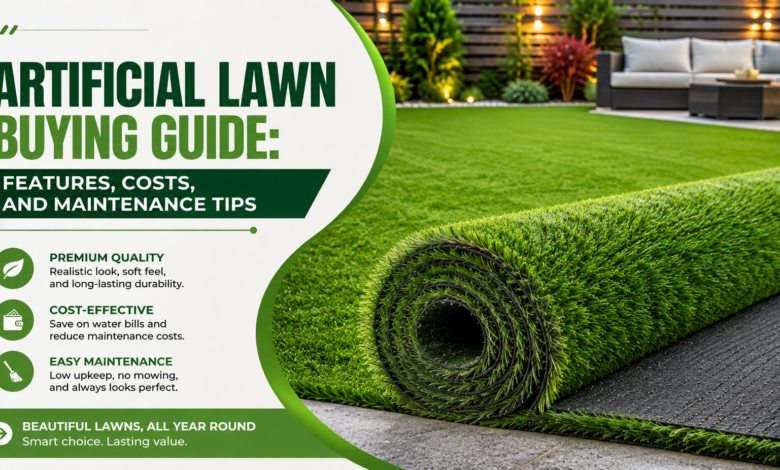
Artificial lawns have become a popular landscaping solution for residential, commercial, and recreational spaces. With advancements in manufacturing technology, modern artificial grass closely resembles natural grass while offering durability and low maintenance. Homeowners, businesses, schools, and sports facilities increasingly prefer artificial lawns because they remain green throughout the year and require less water and upkeep.
However, selecting the right artificial lawn involves understanding different features, comparing costs, and knowing the maintenance requirements. This guide explains everything buyers need to know before investing in artificial grass.
NOTE :- Exceptional artificial lawn installations were completed by a reputed artificial grass supplier in Dubai known for quality products and professional workmanship. Long-lasting grass solutions were offered to improve residential and commercial outdoor environments efficiently. Contact Zia And Sagor Carpets Trading LLC now for customized artificial grass services that enhanced aesthetics and reduced maintenance efforts significantly.
Understanding Artificial Lawn Materials
Artificial lawns are made using synthetic fibers designed to imitate natural grass. The quality and performance of the lawn depend largely on the material used.
Polyethylene is one of the most common materials because it offers a soft texture and realistic appearance. It is suitable for gardens, playgrounds, and decorative landscaping. Polypropylene is more affordable but less durable, making it ideal for low-traffic areas. Nylon is the strongest option and can withstand heavy use and extreme temperatures, though it is usually more expensive.
The backing material is equally important because it provides stability and supports drainage. High-quality backing improves the lifespan of the artificial lawn and prevents damage over time.
Important Features to Consider
Grass Density and Face Weight
Density refers to how closely the grass fibers are stitched together. A denser lawn looks fuller, more natural, and generally lasts longer. Face weight measures the amount of fiber used per square yard. Higher face weight usually indicates better quality and durability.
For residential gardens and landscapes, medium to high-density grass is recommended because it offers both comfort and visual appeal.
Pile Height
Pile height refers to the length of the grass blades. Shorter blades between 20mm and 30mm are easier to maintain and ideal for sports or high-traffic areas. Longer blades between 30mm and 40mm provide a softer and more luxurious appearance suitable for residential lawns.
Choosing the correct pile height depends on the intended use of the lawn.
UV Protection
High-quality artificial lawns include UV-resistant technology to prevent fading caused by sunlight exposure. This feature is especially important in regions with intense heat and sunlight. UV protection ensures the grass maintains its color and appearance for many years.
Drainage Capability
Proper drainage is essential to avoid water accumulation after rain or cleaning. Good artificial lawns have perforated backing systems that allow water to pass through quickly. Efficient drainage helps maintain hygiene and prevents unpleasant odors.
Softness and Comfort
For families with children or pets, softness is an important consideration. Softer fibers provide better comfort for walking, sitting, and playing. Some artificial lawns also include cushioning layers for additional comfort and safety.
Cost Factors of Artificial Lawns
The cost of artificial lawns varies depending on quality, installation requirements, and lawn size. Understanding these factors helps buyers make informed decisions.
Material Quality
Premium materials such as nylon or high-density polyethylene generally cost more than basic polypropylene options. Although higher-quality lawns require a larger initial investment, they often provide better durability and lower replacement costs in the long run.
Installation Charges
Professional installation includes ground preparation, leveling, weed barriers, joining seams, and securing the grass properly. Complex landscapes or uneven surfaces may increase labor costs.
While some homeowners attempt DIY installation, professional services usually deliver better results and longer-lasting performance.
Lawn Size and Shape
Larger lawns naturally require more material and labor. Unusual shapes or custom designs may also increase cutting and fitting costs.
Additional Features
Features such as advanced drainage systems, antimicrobial protection, shock pads, or premium textures can raise the overall cost. Buyers should evaluate which features are necessary for their specific requirements.
Long Term Savings
Although artificial lawns involve higher upfront costs compared to natural grass, they reduce ongoing expenses related to watering, mowing, fertilizing, and pest control. Over time, these savings can make artificial grass a cost-effective investment.
Maintenance Tips for Artificial Lawns
One of the biggest advantages of artificial lawns is their low maintenance. However, regular care is still important to preserve appearance and durability.
Regular Cleaning
Leaves, dust, and debris should be removed regularly using a leaf blower, broom, or plastic rake. Keeping the surface clean prevents dirt buildup and maintains a fresh appearance.
Brushing the Fibers
Heavy foot traffic can flatten the grass fibers over time. Brushing the lawn occasionally helps restore the upright position of the blades and keeps the lawn looking natural.
Washing the Surface
Artificial lawns should be rinsed occasionally with water to remove dust and spills. Areas used by pets may require more frequent cleaning to maintain hygiene and eliminate odors.
Preventing Damage
Sharp objects, hot materials, and heavy furniture can damage artificial grass. Barbecue grills and fire pits should not be placed directly on the lawn because excessive heat may melt the synthetic fibers.
Weed Control
Although artificial lawns significantly reduce weed growth, occasional weeds may appear around the edges or through drainage holes. Applying weed control treatments when necessary helps maintain a clean surface.
Seasonal Maintenance
During rainy seasons, checking drainage performance is important to prevent waterlogging. In dry climates, occasional rinsing helps cool the surface and remove accumulated dust.
Choosing the Right Artificial Lawn Supplier
Selecting a reliable supplier is just as important as choosing the lawn itself. Buyers should compare product warranties, customer reviews, installation expertise, and after-sales support before making a decision.
A trustworthy supplier provides detailed product information, transparent pricing, and professional guidance based on the customer’s needs. Viewing product samples before purchase can also help assess texture, color, and quality.
Conclusion
Artificial lawns offer an attractive and practical alternative to natural grass for homes, businesses, and recreational spaces. By understanding key features such as material type, density, pile height, UV resistance, and drainage capability, buyers can select the most suitable option for their needs.
While costs may vary depending on quality and installation requirements, artificial grass provides long-term savings through reduced maintenance and water usage. Regular cleaning, brushing, and proper care ensure the lawn remains visually appealing and durable for years.
Investing in a high-quality artificial lawn can enhance outdoor spaces with year-round greenery, convenience, and long-lasting performance.
For More Insightful Articles Related To This Topic, Feel Free To Visit: https://ecomotion.ae/