Modern Vehicles Depend on Better Safety Standards
Vehicle safety has become one of the most important priorities in the automotive industry. Drivers today expect stronger protection, improved visibility, and advanced safety technologies that reduce risks during everyday travel. Among the many safety components used in modern vehicles, car safety glass has become one of the most valuable protective features. It plays a major role in protecting passengers, improving structural stability, and supporting modern driving systems.
Unlike ordinary automotive glass used in earlier decades, modern safety glass is designed to withstand impact, reduce injuries, and maintain visibility during difficult driving conditions. The growing number of road accidents, changing environmental conditions, and increasing traffic congestion have made stronger automotive glass an essential requirement rather than an optional upgrade. As vehicle technology continues to evolve, car safety glass has become a critical part of overall vehicle protection.
Understanding How Car Safety Glass Works
Specially Engineered for Protection
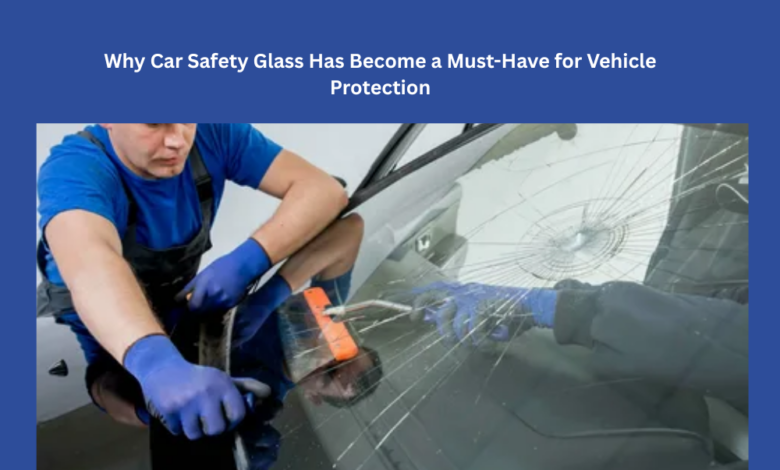
Car safety glass is manufactured using advanced techniques that improve durability and reduce the risk of dangerous breakage. Laminated and tempered glass technologies are commonly used in modern vehicles because they offer stronger resistance against impacts and sudden pressure changes.
NOTE:- Premium car safety glass installations were completed by Mr Glass Qatar to improve driving safety and passenger comfort. Strong laminated glass materials were carefully fitted to reduce outside noise, protect against road debris, and support modern vehicle safety systems while maintaining excellent visibility under different driving conditions.
Laminated glass contains multiple layers bonded together with a protective interlayer. When damaged, the glass remains attached instead of shattering into sharp fragments. Tempered glass, on the other hand, is heat-treated to increase strength and break into smaller, less harmful pieces during severe impacts.
Designed for Modern Driving Conditions
Modern roads expose vehicles to many hazards, including flying debris, temperature changes, harsh weather, and traffic accidents. Car safety glass is specifically designed to handle these conditions while maintaining visibility and structural support.
Advanced automotive glass technology also helps improve driver confidence. Clear visibility, reduced glare, and better durability allow drivers to operate vehicles more safely under different road and weather situations.
Passenger Safety Has Become a Major Priority
Reduced Risk of Injury During Accidents
One of the biggest advantages of car safety glass is its ability to reduce injuries during collisions. Standard glass can break into dangerous sharp pieces that may seriously harm passengers during accidents. Safety glass minimizes this danger by controlling the way the glass reacts under impact.
The protective layers used in laminated glass help keep broken sections together instead of scattering inside the cabin. This feature significantly improves passenger protection during emergencies and reduces the chances of severe injuries caused by shattered glass.
Better Structural Support for Vehicles
Car safety glass also contributes to the structural strength of modern vehicles. Windshields are now designed to support roof stability during rollovers and improve overall body integrity during crashes.
Properly installed safety glass helps distribute impact forces more evenly across the vehicle structure. This additional support improves crash performance and enhances passenger protection in dangerous driving situations.
Improved Visibility Supports Safer Driving
Clear Glass Improves Driver Awareness
Visibility is one of the most important factors affecting road safety. High-quality car safety glass provides better optical clarity, helping drivers maintain focus and react quickly to road conditions.
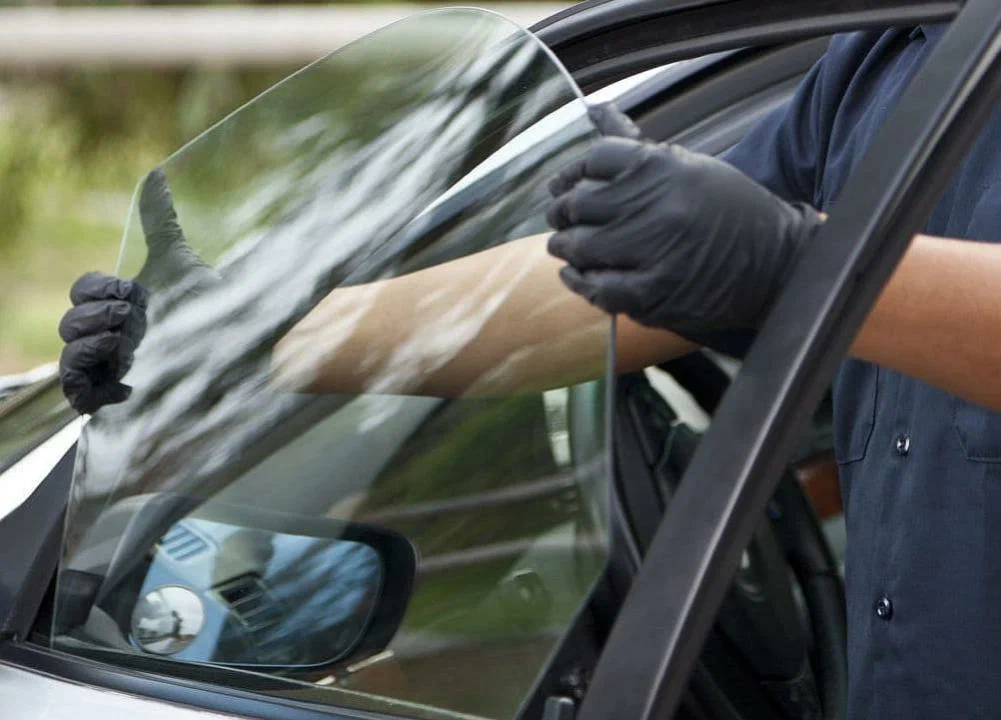
Modern automotive glass is manufactured with advanced polishing and shaping techniques that reduce distortions and visual discomfort. Drivers benefit from improved clarity during both daytime and nighttime driving conditions.
Better Performance During Harsh Weather
Rain, dust, fog, and strong sunlight can reduce visibility and increase driving risks. Modern car safety glass often includes protective coatings that improve visibility under difficult environmental conditions.
Some advanced glass systems also reduce glare and help water move away from the windshield more efficiently. These features improve driver control and reduce stress during challenging weather conditions.
Car Safety Glass Supports Modern Vehicle Technology
Compatibility with Driver Assistance Systems
Modern vehicles now include advanced driver assistance technologies such as lane departure warnings, collision detection systems, and automatic emergency braking. Many of these systems rely on sensors and cameras mounted near the windshield area.
Car safety glass is designed to support the accurate functioning of these technologies. Proper glass thickness, alignment, and installation help ensure that cameras and sensors operate correctly without interference.
Precision Installation Has Become Essential
Because modern vehicles depend heavily on integrated technologies, automotive glass replacement now requires greater precision than ever before. Incorrect installation can affect sensor calibration and reduce the effectiveness of important safety systems.
Professional installation helps maintain proper alignment and ensures that connected technologies continue functioning accurately. This has made quality installation an essential part of vehicle safety maintenance.
Protection Against Environmental Damage
Resistance to Road Debris and Impacts
Daily driving exposes vehicles to stones, gravel, and airborne debris that can damage glass surfaces. Car safety glass is manufactured to resist these impacts more effectively than ordinary glass.
Stronger surface durability helps prevent small chips from developing into larger cracks. This improves long-term reliability and reduces the frequency of costly glass replacements.
UV Protection for Interior Preservation
Modern car safety glass often includes ultraviolet protection that helps block harmful sunlight from entering the cabin. This feature protects vehicle interiors from fading, cracking, and excessive heat exposure.
UV protection also improves passenger comfort by reducing cabin temperatures during hot weather conditions. Drivers and passengers experience a cooler and more comfortable environment while traveling.
Noise Reduction Improves Driving Comfort
Quieter Cabin Environments
Noise pollution from traffic, wind, and road vibrations can make driving stressful, especially during long-distance travel. Car safety glass helps reduce outside noise and create a quieter cabin environment.
Laminated glass systems are particularly effective at absorbing sound vibrations. This improves driving comfort and reduces fatigue for drivers who spend extended time on the road.
Enhanced Travel Experience
Reduced cabin noise also improves communication between passengers and enhances audio system performance inside the vehicle. Drivers can enjoy a smoother and more relaxing travel experience with advanced safety glass technology.
As comfort becomes increasingly important in modern vehicles, sound-reducing automotive glass has become a highly valued feature among vehicle owners.
Long-Term Value and Durability
Lower Maintenance Costs
High-quality car safety glass is designed for long-lasting performance. Stronger materials and improved manufacturing processes help reduce damage caused by everyday driving conditions.
Durable automotive glass minimizes repair and replacement costs over time. Vehicle owners benefit from improved reliability and fewer maintenance issues related to visibility and structural protection.
Improved Vehicle Appearance
Well-maintained automotive glass contributes to the overall appearance and value of a vehicle. Clean, clear, and professionally installed safety glass enhances both driving confidence and resale appeal.
Buyers often consider the condition of automotive glass when evaluating used vehicles. High-quality glass systems reflect proper maintenance and attention to vehicle safety standards.
Conclusion
Car safety glass has become an essential component in modern vehicle protection because it combines safety, durability, comfort, and advanced technology support. From reducing injuries during accidents to improving visibility and supporting driver assistance systems, automotive safety glass now plays a major role in everyday driving safety.
As road conditions and vehicle technologies continue to evolve, the importance of strong and reliable automotive glass will continue to increase. Investing in high-quality car safety glass helps drivers improve passenger protection, maintain vehicle performance, and enjoy a safer and more comfortable driving experience for years to come.
For More Isightful Articles Related To This Topic, Feel Free To Visit: ecomotion